
Irish Moss: A Chef’s Guide to Preparing Nature’s Gelatin
My grandmother, a woman who believed in the power of the ocean and the wisdom of the old ways, always kept a jar of Irish moss soaking on her windowsill. It was a constant presence, a strange and slightly alien-looking thing suspended in water, catching the sunlight. As a child, I didn’t understand its purpose, but I remember her adding it to everything from fruit salads to homemade cough syrups. It wasn’t until years later, when experimenting with raw desserts in culinary school, that I rediscovered this fascinating ingredient and understood the magic my grandmother had known all along.
Recipe Overview
- Prep Time: 5 minutes
- Soak Time: 3 days
- Total Time: 3 days, 5 minutes
- Yields: Variable, depends on use
- Serves: Variable, depends on use
- Dietary Type: Vegan, Gluten-Free, Dairy-Free
Ingredients
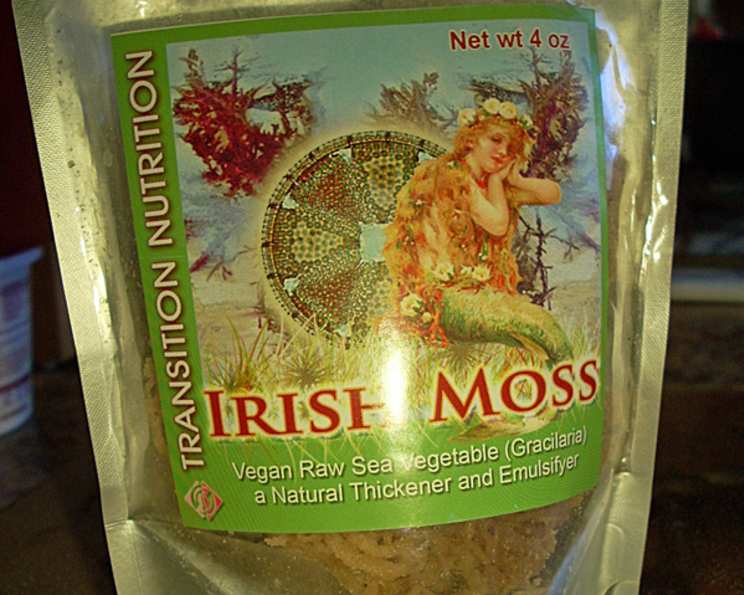
- 1 (4 ounce) bag Irish moss
- 1 quart clean filtered water (I used a mason jar)
Equipment Needed
- Large mason jar or glass bowl
- Colander or strainer
Instructions
-
Determine Quantity: Before you even open the bag, take a look at the recipe you’ll be using the Irish moss in. This will help you determine how much of the dried moss you need to prepare. It’s always best to prepare only what you need to avoid waste, although properly prepared Irish moss can be stored for later use.
-
Weigh It Out: If your recipe calls for a specific weight of Irish moss, use a kitchen scale to measure out the required amount. This ensures the proper consistency and thickening power in your final dish.
-
Initial Rinse: Place the Irish moss in a colander and rinse it thoroughly under cold, running water. This step is crucial. You’ll need to repeat this rinsing process at least three times, or even more, until the water runs clear. This removes any sand, salt, or other debris that may be clinging to the moss from its time in the ocean.
-
Debris Removal: As you rinse, carefully inspect the moss and pick out any noticeable pieces of shell, seaweed, or other unwanted materials. Don’t be afraid to get your hands in there and gently separate the strands to ensure a thorough cleaning.
-
Soaking Time: Transfer the cleaned Irish moss to a large mason jar or glass bowl. Pour the filtered water over the moss, ensuring it’s completely submerged.
-
First Soak: Place the jar in the refrigerator and allow the moss to soak for at least 3 days. This soaking process is what softens the moss and allows it to release its thickening properties.
-
Water Changes: During the 3-day soaking period, it’s essential to refresh the water regularly. At least two or three times each day, drain the water, rinse the moss again with fresh, filtered water, and refill the jar. This frequent rinsing helps to remove any residual saltiness and further cleanses the moss.
-
Texture Check: After the 3-day soak, the Irish moss should have significantly softened and expanded. It will have a slippery, almost gelatinous texture. If it still feels tough or brittle, you can extend the soaking time by another day or two.
-
Final Rinse: Give the softened Irish moss one last thorough rinse under cold, filtered water.
-
Ready to Use: The Irish moss is now prepared and ready to use in your recipe. It should be blended until smooth and creamy before being added to the rest of your ingredients.
Expert Tips & Tricks
- Taste Test: Even after repeated rinsing, Irish moss can sometimes retain a slight sea taste. Before adding it to your recipe, taste a small piece to gauge its saltiness. If it’s still too salty, soak it for an additional day with frequent water changes.
- Blending is Key: To achieve a smooth and even texture in your final dish, it’s crucial to blend the prepared Irish moss thoroughly. A high-powered blender works best, but a regular blender will also do the job. Just be sure to blend it for a longer period.
- Don’t Oversoak: While soaking is essential, oversoaking can cause the Irish moss to become too soft and lose some of its thickening power. Stick to the recommended 3-day soaking period and monitor the texture closely.
- Pre-Soak in Warm Water (Optional): For a slightly faster softening process, you can soak the Irish moss in warm water for the first few hours before switching to cold water. However, be careful not to overheat the moss, as this can damage its thickening properties.
- Storage: Prepared Irish moss can be stored in the refrigerator for up to 5 days. Keep it submerged in fresh water and change the water daily to prevent spoilage.
Serving & Storage Suggestions
Irish moss is not typically served on its own but rather incorporated into other dishes as a thickening agent. It’s commonly used in raw desserts like mousses, puddings, and pies, but it can also be used to thicken soups, sauces, and stews.
- Storage of Finished Dishes: How you store dishes containing Irish moss depends on the specific recipe. In general, raw desserts and puddings should be stored in the refrigerator in airtight containers. They will typically last for 3-5 days.
- Freezing: Freezing dishes containing Irish moss is not generally recommended, as it can alter the texture and cause the dish to become watery upon thawing.
- Serving Suggestions: When using Irish moss in desserts, consider garnishing with fresh fruit, nuts, or a drizzle of chocolate sauce for added flavor and visual appeal.
Nutritional Information
Note: Nutritional information will vary greatly depending on the specific dish in which the Irish Moss is used. The values below are for the Irish Moss itself, before being added to a recipe.
| Nutrient | Amount per Serving (1/4 cup prepared) | % Daily Value |
|---|---|---|
| Calories | 5 | 0% |
| Total Fat | 0g | 0% |
| Saturated Fat | 0g | 0% |
| Cholesterol | 0mg | 0% |
| Sodium | 5mg | 0% |
| Total Carbohydrate | 1g | 0% |
| Dietary Fiber | 1g | 4% |
| Sugars | 0g | |
| Protein | 0g | 0% |
| Calcium | 7mg | 1% |
| Iron | 0.1mg | 1% |
| Potassium | 10mg | 0% |
Variations & Substitutions
- Agar-Agar: If you don’t have Irish moss, you can substitute it with agar-agar, another seaweed-based thickening agent. However, agar-agar has a slightly different texture and requires heating to activate its thickening properties.
- Chia Seeds: For a raw vegan option, chia seeds can be used as a thickening agent. They will add a slightly different texture, creating a more pudding-like consistency.
- Gelatin: While not vegan, gelatin is a traditional thickening agent that can be used in place of Irish moss in some recipes.
FAQs (Frequently Asked Questions)
Q: Why do I need to soak Irish moss for so long?
A: Soaking is essential to soften the tough, dried moss and allow it to release its thickening compounds. The soaking process also helps to remove excess salt and debris.
Q: Can I use tap water to soak the Irish moss?
A: While tap water can be used, filtered water is recommended to avoid any potential contaminants or flavors that could affect the taste of the final dish.
Q: How do I know when the Irish moss is ready to use?
A: The Irish moss is ready when it has softened significantly and has a slippery, gelatinous texture. It should also be relatively free of saltiness.
Q: Can I re-use the soaking water?
A: No, the soaking water should be discarded each time you rinse the Irish moss, as it will contain salt, debris, and released compounds.
Q: What if my Irish moss still tastes too salty after soaking?
A: Extend the soaking time by another day or two, changing the water frequently, until the saltiness is reduced to an acceptable level.
Final Thoughts
Irish moss may seem like a somewhat obscure ingredient, but it’s a versatile and natural thickening agent with a rich history. By taking the time to properly prepare it, you can unlock its full potential and create delicious, healthy dishes that are both vegan and naturally gelatinous. Don’t be afraid to experiment with it in your favorite recipes and discover the magic of this amazing sea vegetable. And if you have any favorite ways of using Irish Moss, please share them! Happy cooking!