
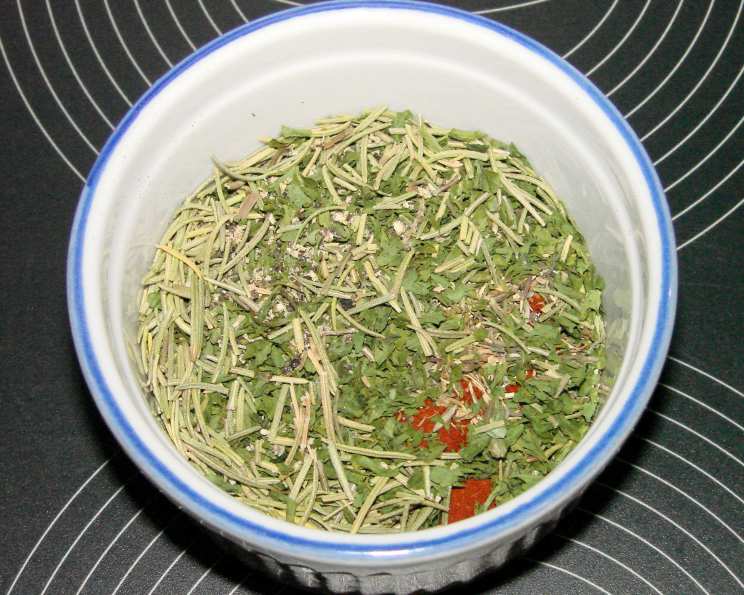
Crafting Your Own Italian Seasoning Blend: A Culinary Journey
The aroma of Italian herbs has always been a siren song to me, a reminder of my Nonna’s kitchen, filled with bubbling sauces and the comforting scent of simmering tomatoes. As a child, I remember watching her carefully measure pinches of dried herbs, her hands stained with the vibrant colors of the garden. That simple act, transforming humble ingredients into a flavor explosion, sparked a lifelong fascination with the magic of herbs and spices – a fascination that led me to create my own perfect blend of Italian seasoning.
Recipe Overview
- Prep Time: 5 minutes
- Cook Time: 0 minutes
- Total Time: 5 minutes
- Yields: Approximately 1/3 cup
- Dietary Type: Vegan, Gluten-Free, Dairy-Free
Ingredients
- 1 tablespoon dried oregano
- 1 tablespoon dried parsley
- 1 teaspoon dried rosemary
- 1 teaspoon dried thyme
- 1 teaspoon dried paprika
- 1 teaspoon freshly ground black pepper
- 2 tablespoons dried basil
Equipment Needed
- Small mixing bowl
- Measuring spoons
- Airtight jar or container for storage
Instructions
-
In a small mixing bowl, combine the dried oregano, dried parsley, dried rosemary, dried thyme, dried paprika, freshly ground black pepper, and dried basil.
-
Thoroughly stir all the ingredients together until they are evenly distributed. Make sure there are no clumps of any single herb. A good mix will ensure a balanced flavor profile in your seasoning.
-
Store the Italian seasoning blend in an airtight jar or container with a tight-fitting lid. This will preserve the freshness and aroma of the herbs. Keep it in a cool, dark place, away from direct sunlight and heat, to extend its shelf life.
Important Note: For the best flavor, use sweet basil. If you only have Genovese basil, that will still work, but the flavor will be slightly different.
Expert Tips & Tricks
- Toast the herbs: For a deeper, richer flavor, lightly toast the dried herbs in a dry skillet over medium heat for a minute or two, until fragrant, before combining them. Be careful not to burn them. Let them cool completely before mixing.
- Adjust to your taste: Feel free to adjust the quantities of each herb to suit your personal preferences. If you love rosemary, add a little more. If you prefer a milder flavor, reduce the paprika.
- Use fresh herbs: While this recipe calls for dried herbs for convenience and shelf life, you can substitute with fresh herbs. Use approximately three times the amount of fresh herbs as dried (e.g., 3 tablespoons of fresh oregano instead of 1 tablespoon dried). Finely chop the fresh herbs before mixing. Keep in mind that fresh herbs won’t last as long as dried.
- Spice it up: For a spicier Italian seasoning, add a pinch of red pepper flakes.
- Make a larger batch: This recipe yields approximately 1/3 cup of seasoning. If you use Italian seasoning frequently, consider making a larger batch to save time. Simply multiply the ingredient quantities accordingly.
- Check for freshness: Dried herbs lose their potency over time. If your herbs have been sitting in your pantry for a while, check their aroma. If they smell weak or musty, it’s best to replace them.
- Pulse in a spice grinder: If you want an even finer consistency for your seasoning blend, pulse it in a spice grinder or small food processor for just a few seconds. Be careful not to over-process it into a powder.
- Blooming Your Seasoning: To maximize flavor when adding to sauces or soups, “bloom” the seasoning. Heat a tablespoon of olive oil in a pan, then add the Italian seasoning and cook for about 30 seconds until fragrant before adding other ingredients. This releases the essential oils in the herbs.
Serving & Storage Suggestions
This homemade Italian seasoning is incredibly versatile and can be used to enhance a wide variety of dishes. Sprinkle it on roasted vegetables, grilled meats, or homemade pizza. Add it to pasta sauces, soups, and stews for a burst of Italian flavor. It’s also a great addition to bread dough or as a rub for chicken or fish.
Store your Italian seasoning in an airtight container in a cool, dark, and dry place. When stored properly, it will last for approximately 6-12 months. Check the aroma before using; if it has lost its fragrance, it’s time to make a fresh batch. Avoid storing the seasoning near heat or moisture, as this can cause it to lose its flavor and aroma more quickly. Do not store it above the stove.
Nutritional Information
| Nutrient | Amount per Serving (approx. 1 tsp) | % Daily Value* |
|---|---|---|
| Calories | 5 kcal | 0% |
| Total Fat | 0.2g | 0% |
| Saturated Fat | 0.0g | 0% |
| Cholesterol | 0mg | 0% |
| Sodium | 0.5mg | 0% |
| Total Carbohydrate | 0.9g | 0% |
| Dietary Fiber | 0.4g | 1% |
| Sugars | 0.0g | 0% |
| Protein | 0.1g | 0% |
*Percent Daily Values are based on a 2,000 calorie diet.
Variations & Substitutions
- Spicy Italian Seasoning: Add 1/2 teaspoon of red pepper flakes to the blend for a spicy kick.
- Garlic Italian Seasoning: Add 1-2 teaspoons of garlic powder to the mix.
- Onion Italian Seasoning: Include 1-2 teaspoons of onion powder for a deeper savory note.
- Salt-Free Italian Seasoning: Omit the black pepper entirely if you are watching your sodium intake.
- Mediterranean Blend: Incorporate a pinch of dried mint for a brighter, more complex flavor profile, reminiscent of Greek and Mediterranean cuisines.
- Italian Herb Butter: Mix 2 tablespoons of Italian seasoning into 1 cup of softened butter. Use as a spread on bread, to baste meats, or to toss with pasta.
FAQs (Frequently Asked Questions)
Q: Why should I make my own Italian seasoning when I can buy it at the store?
A: Making your own allows you to control the ingredients and customize the blend to your exact preferences. It also ensures you’re using fresh herbs with a more potent flavor.
Q: Can I use this Italian seasoning in place of fresh herbs in a recipe?
A: Yes, you can. A general rule of thumb is to use about 1 teaspoon of dried Italian seasoning for every 1 tablespoon of fresh herbs called for in a recipe.
Q: How can I tell if my dried herbs are still fresh?
A: Rub a small amount of the dried herb between your fingers. If the aroma is weak or nonexistent, the herb has likely lost its potency and should be replaced.
Q: Can I use this seasoning on pizza?
A: Absolutely! Sprinkle it on your pizza dough before baking, or add it to your tomato sauce for extra flavor.
Q: Does the type of basil really matter?
A: Sweet basil is preferred because it offers a classic, balanced flavor. However, Genovese basil will also work, though it has a slightly stronger, more peppery taste.
Final Thoughts
Creating your own Italian seasoning is a simple yet rewarding culinary adventure. The ability to tailor the blend to your precise tastes allows you to unlock a world of flavor possibilities. Whether you’re a seasoned chef or a kitchen novice, I encourage you to try this recipe and experience the difference that freshly made Italian seasoning can make. Experiment with different ratios, add your own favorite herbs, and let your creativity guide you. And don’t forget to share your creations with friends and family – the taste of homemade Italian seasoning is sure to bring a smile to their faces. Pair it with a rustic loaf of bread and a glass of Chianti for the full Italian experience! Buon appetito!