
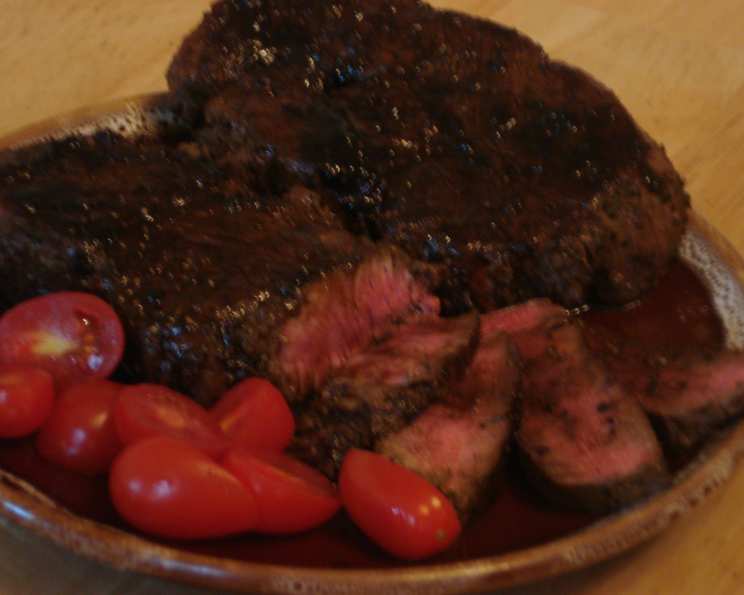
Seared Kangaroo Fillet with Worcestershire Glaze
I still remember the first time I tasted kangaroo. It wasn’t in the outback, but rather a small, unassuming restaurant downtown known for its adventurous menu. The chef, a quirky Australian expat, presented it with a wink, describing it as “Australia’s best kept secret.” Hesitantly, I took a bite, and the world shifted. The meat was surprisingly tender, with a rich, gamey flavor unlike anything I’d experienced before. It was a revelation, and ignited a passion for exploring unique flavors from around the globe. That initial experience inspired me to experiment with this unique protein in my own kitchen. This recipe aims to capture the essence of that moment: showcasing the inherent flavor of kangaroo with a simple, yet elegant glaze.
Recipe Overview
- Prep Time: 5 minutes
- Cook Time: 8 minutes
- Total Time: 13 minutes
- Servings: 2
- Dietary Type: High-Protein, Paleo
Ingredients
- 1 lb kangaroo fillet (tenderloin steak)
- 1 tablespoon olive oil
- 1 teaspoon kosher salt
- ½ teaspoon thyme
- 1 teaspoon fresh ground pepper
- 4 tablespoons Worcestershire sauce
- ¼ – ½ teaspoon sugar (adjust to taste)
Equipment Needed
- Heavy nonstick pan
- Tongs
- Small mixing bowl
Instructions
-
Begin by heating the olive oil in a heavy nonstick pan over medium-high heat. Make sure the pan is hot before adding the meat, to ensure a proper sear.
-
While the pan is heating, prepare the kangaroo fillet. In a small bowl, combine the kosher salt, pepper, and thyme. Rub this mixture thoroughly on all sides of the kangaroo fillet. This seasoning blend will enhance the natural flavors of the meat.
-
In a separate small bowl, whisk together the Worcestershire sauce and sugar. This mixture forms the base of your glaze. Drizzle approximately half of this Worcestershire sauce mixture over the seasoned kangaroo fillet, reserving the remaining half for later. Ensure the meat is evenly coated.
-
Once the pan is hot, carefully place the kangaroo fillet in the pan. Sear the meat on high heat for approximately 2 minutes on each side. This initial sear is crucial; it creates a flavorful crust and helps to seal in the juices, resulting in a more tender and flavorful final product. Be careful not to overcrowd the pan, as this can lower the temperature and prevent proper searing.
-
After searing, reduce the heat slightly to medium. Continue cooking the kangaroo fillet until it is just slightly pink inside. The exact cooking time will depend on the thickness of your fillet and your desired level of doneness. For medium-rare, aim for an internal temperature of around 130-135°F (54-57°C). Use a meat thermometer for the most accurate results.
-
As the kangaroo fillet is finishing cooking, stir the reserved Worcestershire sauce mixture into the pan juices. This will create a rich and savory pan sauce to complement the meat.
-
Once the kangaroo fillet has reached your desired level of doneness, remove it from the pan and let it rest for a few minutes before slicing. This allows the juices to redistribute throughout the meat, resulting in a more tender and flavorful result.
-
Slice the kangaroo fillet against the grain and serve immediately, drizzled with the pan juices.
Expert Tips & Tricks
- Don’t Overcook: Kangaroo is very lean and can become tough if overcooked. Aim for medium-rare to medium for the best texture. A meat thermometer is your best friend here!
- Resting is Key: Letting the meat rest is crucial for retaining moisture. Tent it loosely with foil for 5-10 minutes after cooking.
- Flavor Boost: Consider adding a pinch of smoked paprika to the spice rub for a deeper, more complex flavor.
- Sugar Adjustment: Adjust the amount of sugar in the Worcestershire glaze to your preference. Some Worcestershire sauces are already quite sweet, so you may need less.
- Pan Sauce Perfection: For a thicker pan sauce, remove the meat from the pan, increase the heat, and whisk in a small pat of butter or a cornstarch slurry before serving.
Serving & Storage Suggestions
Serve the seared kangaroo fillet immediately, sliced against the grain and drizzled generously with the pan juices. It pairs beautifully with roasted vegetables like asparagus, sweet potatoes, or Brussels sprouts. A simple green salad with a balsamic vinaigrette also makes a refreshing accompaniment. For a more elaborate meal, consider serving it alongside a creamy mashed potato or polenta.
Leftover cooked kangaroo fillet can be stored in an airtight container in the refrigerator for up to 3 days. To reheat, gently warm it in a pan over low heat with a little bit of pan juices or broth to prevent it from drying out. Reheating in the microwave is not recommended, as it can make the meat tough. Freezing is not recommended, as it can alter the texture.
Nutritional Information
| Nutrient | Amount per Serving | % Daily Value |
|---|---|---|
| Calories | 350 kcal | 18% |
| Total Fat | 15g | 23% |
| Saturated Fat | 3g | 15% |
| Cholesterol | 100mg | 33% |
| Sodium | 700mg | 30% |
| Total Carbohydrate | 10g | 4% |
| Dietary Fiber | 2g | 8% |
| Sugars | 5g | – |
| Protein | 40g | 80% |
Note: Nutritional information is an estimate and may vary based on specific ingredients and portion sizes.
Variations & Substitutions
- Spice it Up: Add a pinch of chili flakes to the spice rub for a fiery kick.
- Herbaceous Twist: Substitute rosemary or oregano for thyme for a different herbal flavor profile.
- Wine Reduction: Deglaze the pan with red wine after searing the meat for a richer, more complex pan sauce.
- Berry Sauce: For a sweeter sauce, consider a berry reduction with balsamic vinegar.
- Gluten-Free: Ensure your Worcestershire sauce is gluten-free if needed. Many brands contain gluten, so check the label carefully.
FAQs (Frequently Asked Questions)
Q: What does kangaroo meat taste like?
A: Kangaroo has a rich, gamey flavor similar to venison or beef, but with a slightly sweeter and more intense taste. Its leanness also makes it unique, often requiring specific cooking techniques to prevent it from drying out.
Q: Is kangaroo meat healthy?
A: Yes! Kangaroo meat is very lean and high in protein and iron. It’s also a good source of omega-3 fatty acids and conjugated linoleic acid (CLA), which has potential health benefits.
Q: Where can I buy kangaroo meat?
A: Kangaroo meat can be found at some specialty butcher shops, gourmet grocery stores, and online retailers. Look for reputable suppliers who source their kangaroo sustainably.
Q: How do I know when the kangaroo fillet is cooked properly?
A: The best way is to use a meat thermometer. For medium-rare, aim for an internal temperature of 130-135°F (54-57°C). Remember that the meat will continue to cook slightly after you remove it from the pan.
Q: Can I grill kangaroo fillet instead of searing it in a pan?
A: Yes, grilling is a great option. Be sure to preheat your grill to medium-high heat and oil the grates well. Grill for about 2-3 minutes per side for medium-rare, or until the internal temperature reaches your desired level of doneness.
Final Thoughts
I hope this recipe inspires you to step outside your culinary comfort zone and try something new. Kangaroo fillet is a truly unique and delicious ingredient that deserves a place on your table. Don’t be intimidated; with a few simple techniques, you can create a restaurant-worthy dish that will impress your friends and family. Experiment with different flavor combinations, share your creations, and most importantly, enjoy the journey of discovering new tastes! Perhaps you’ll be as pleasantly surprised as I was that first time I tasted this amazing meat.