
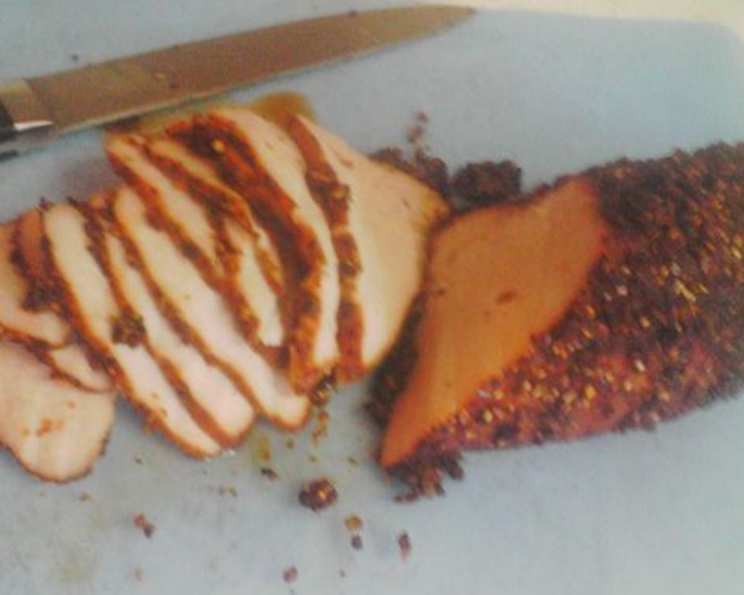
Korean Pork Strips: A Taste of Seoul in Your Kitchen
The aroma of sizzling garlic, ginger, and sesame takes me straight back to the bustling street food stalls of Seoul. I remember wandering through the Myeongdong night market, the air thick with the scent of grilling meats, and stumbling upon a vendor selling these incredibly savory and slightly sweet pork strips. The tender pork, glistening with a rich, mahogany glaze, was nestled in a bed of steaming rice. Each bite was an explosion of flavor – a perfect balance of savory, sweet, and umami that has stayed with me ever since. Recreating this dish at home brings back those vibrant memories and allows me to share a piece of Korean culinary magic with my family.
Recipe Overview
- Prep Time: 5 minutes (plus marinating time)
- Cook Time: 30-35 minutes
- Total Time: 35-40 minutes
- Servings: 6
- Dietary Type: Gluten-Free (check soy sauce label)
Ingredients
- 2 cloves garlic, minced/crushed
- 1 (2 5/8 ounce) jar sesame seeds
- 1⁄2 cup reduced sodium soy sauce
- 3 tablespoons sugar
- 2 tablespoons onion flakes
- 1 teaspoon ginger, chopped
- 1 1⁄2 lbs pork tenderloin, cut lengthwise in half
Equipment Needed
- Ziplock bag
- 9×13 inch baking dish
- Cooking spray
- Knife
- Cutting board
Instructions
-
Preheat your oven to 400 degrees Fahrenheit (200 degrees Celsius). Ensuring the oven is fully preheated is critical for even cooking.
-
In a ziplock bag, combine the minced garlic, sesame seeds, reduced sodium soy sauce, sugar, onion flakes, and chopped ginger. Seal the bag tightly and shake vigorously to ensure all the ingredients are well mixed, creating a flavorful marinade.
-
Add the pork tenderloin halves to the ziplock bag with the marinade. Seal the bag, removing as much air as possible, and shake to coat the pork evenly with the marinade.
-
Marinate the pork for a minimum of 5 minutes, or up to 3 hours. The longer you marinate the pork, the more intense the flavor will be. If marinating for longer than 30 minutes, refrigerate the pork to prevent bacterial growth.
-
Lightly spray a 9×13 inch baking dish with cooking spray. This will prevent the pork from sticking to the dish during baking.
-
Place the marinated pork in the prepared baking dish. Pour any remaining marinade from the ziplock bag over the pork.
-
Bake in the preheated oven for 30-35 minutes, or until the pork is cooked through. Use a meat thermometer to ensure the internal temperature reaches 145 degrees Fahrenheit (63 degrees Celsius) for safe consumption. The cooking time will depend on the thickness of the pork.
-
Remove the baking dish from the oven and let the pork rest for a few minutes. This will allow the juices to redistribute, resulting in a more tender and flavorful final product.
-
Cut the pork into thin slices before serving. Slicing against the grain will further enhance the tenderness.
Expert Tips & Tricks
- For a deeper, richer flavor, add a tablespoon of sesame oil to the marinade. Be careful not to add too much, as sesame oil can be overpowering.
- If you don’t have onion flakes on hand, you can substitute with 1 tablespoon of finely minced onion.
- To get a beautiful, caramelized crust on the pork, broil it for the last 2-3 minutes of cooking, keeping a close eye to prevent burning.
- Don’t overcrowd the baking dish. If necessary, use two dishes to ensure the pork cooks evenly.
- If you are short on time, you can use pre-cut pork stir-fry strips to reduce prep time. Adjust the cooking time accordingly.
- To ensure even cooking, pound the pork tenderloin to an even thickness before marinating. This is especially helpful if one end of the tenderloin is significantly thicker than the other.
Serving & Storage Suggestions
These Korean Pork Strips are delicious served over steamed rice, garnished with sesame seeds and sliced green onions. They also pair well with kimchi, stir-fried vegetables, or a simple side salad. You can also use them to make delicious Korean-inspired tacos or lettuce wraps.
Leftovers can be stored in an airtight container in the refrigerator for up to 3-4 days. To reheat, microwave on medium power, or gently warm in a skillet over low heat. You can also freeze the cooked pork strips for up to 2-3 months. Thaw completely in the refrigerator before reheating. Reheating in a skillet with a touch of oil will help restore some of the original texture.
Nutritional Information
| Nutrient | Amount per Serving | % Daily Value |
|---|---|---|
| Calories | 250.8 kcal | N/A |
| Calories from Fat | 91 g | 36% |
| Total Fat | 10.2 g | 15% |
| Saturated Fat | 2.2 g | 11% |
| Cholesterol | 73.8 mg | 24% |
| Sodium | 769.3 mg | 32% |
| Total Carbohydrate | 12.9 g | 4% |
| Dietary Fiber | 1.8 g | 7% |
| Sugars | 7.3 g | 29% |
| Protein | 27 g | 53% |
Note: Nutritional information is an estimate and can vary based on specific ingredients and portion sizes.
Variations & Substitutions
- Spicy Pork Strips: Add a tablespoon of gochujang (Korean chili paste) to the marinade for a spicy kick.
- Gluten-Free Option: Use tamari instead of soy sauce to ensure the recipe is gluten-free.
- Chicken or Beef: Substitute the pork tenderloin with chicken breasts or beef sirloin cut into similar strips. Adjust the cooking time accordingly.
- Vegetarian Option: Use firm tofu, pressed to remove excess water, cut into strips, and marinate as directed. Bake until golden brown and crispy.
- Honey Garlic Pork: Substitute the sugar with honey for a slightly different flavor profile.
FAQs (Frequently Asked Questions)
Q: Can I marinate the pork overnight?
A: Yes, you can marinate the pork overnight in the refrigerator for a more intense flavor. However, avoid marinating for longer than 24 hours, as the acid in the soy sauce can start to break down the protein and make the pork mushy.
Q: What’s the best way to slice the pork tenderloin?
A: To make it easier to slice the tenderloin thinly, chill it in the freezer for about 15-20 minutes before slicing. This will firm it up slightly. Remember to slice against the grain for maximum tenderness.
Q: Can I use regular soy sauce instead of reduced sodium?
A: Yes, but be aware that the dish will be saltier. You may want to reduce the amount of soy sauce used by a tablespoon or two, and taste as you go.
Q: How do I know when the pork is cooked through?
A: The best way to check for doneness is to use a meat thermometer. Insert it into the thickest part of the pork; it should register 145 degrees Fahrenheit (63 degrees Celsius).
Q: Can I grill these pork strips instead of baking them?
A: Absolutely! Preheat your grill to medium heat and grill the pork strips for about 3-4 minutes per side, or until cooked through. Keep a close eye on them to prevent burning.
Final Thoughts
These Korean Pork Strips are a fantastic way to bring the vibrant flavors of Korea to your table. The combination of savory, sweet, and umami is simply irresistible, and the recipe is so quick and easy to prepare, even on a busy weeknight. I encourage you to try this recipe and experience the magic for yourself. Don’t be afraid to experiment with different variations and substitutions to customize the dish to your own taste preferences. Serve it with a side of kimchi and some steamed rice for a complete and satisfying meal. I’d love to hear your feedback, so please share your thoughts and experiences in the comments below! Enjoy!