
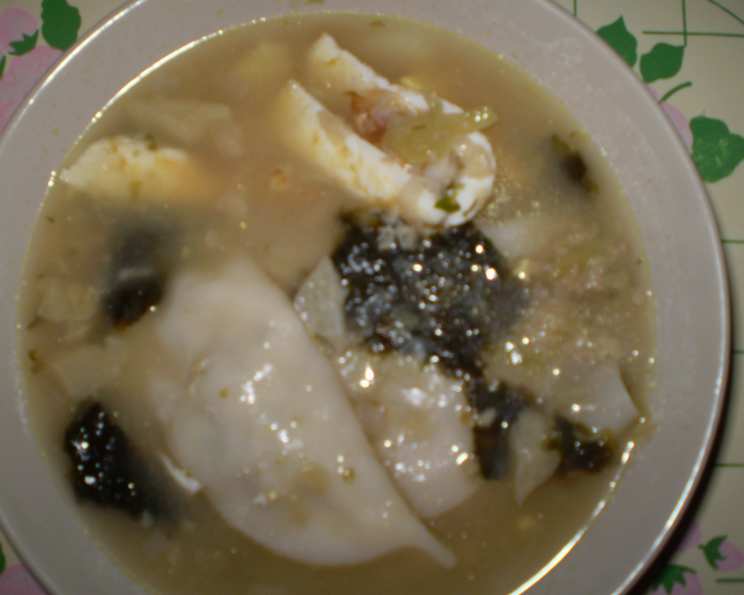
Korean Rice Cake Soup (Duk Guk): A Taste of New Beginnings
The first time I had Duk Guk, Korean Rice Cake Soup, was during a particularly harsh winter in Seoul. Snow was piled high outside the window, and the wind howled like a hungry wolf. I was invited to celebrate Seollal, the Korean Lunar New Year, with a family who took me in like one of their own. The matriarch, with her warm smile and even warmer hands, ladled a steaming bowl of the milky broth into my hands. As I slurped the chewy rice cakes and savored the rich umami flavor, I felt an immediate sense of belonging, a comforting embrace that transcended language and culture. It was more than just a soup; it was a symbol of hope, renewal, and the promise of a brighter year ahead.
Recipe Overview
- Prep Time: 15 minutes
- Cook Time: 20 minutes
- Total Time: 35 minutes
- Servings: 6
- Dietary Type: Varies, can be Gluten-Free (check broth and toppings)
Ingredients
- 2 1/2 quarts broth (beef or anchovy)
- 1 tablespoon dashida (beef or anchovy)
- 1 (1 7/8 lb) package Korean rice cakes (sliced)
- 1 bunch green onion, cut into 2-inch-long pieces
Toppings
- 2 sheets nori fresh seaweed, crumbled
- 4 eggs
- 3 ounces beef, thinly sliced
- 12 Korean dumplings (mandu)
Equipment Needed
- Large pot or Dutch oven
- Frying pan
- Cutting board
- Knife
- Whisk
Instructions
- In a large pot or Dutch oven, bring the broth to a vigorous boil. You can use either beef broth for a richer flavor or anchovy broth for a lighter, more traditional taste. The quality of your broth significantly impacts the final flavor, so choose a good one!
- Once boiling, add the dashida. Dashida is a Korean seasoning powder, and using either the beef or anchovy version will further enhance the broth’s savory depth. Stir well to dissolve it completely.
- Now, gently add the Korean rice cakes (ddeok) to the boiling broth. Be careful not to overcrowd the pot.
- Boil the rice cakes until they become tender and slightly translucent, approximately 5 minutes. Keep an eye on them, as cooking time can vary slightly depending on the thickness and freshness of the rice cakes. They should float to the surface when they are ready.
- Add the green onion pieces to the soup and cook for just 1 minute. This will allow the green onion to soften slightly and release its aromatic flavor without becoming mushy. Remove the pot from the heat.
- While the soup is simmering, prepare the egg garnish. Beat the eggs lightly in a bowl. Heat a lightly oiled frying pan over medium heat. Pour the beaten eggs into the pan and cook them in a thin sheet, like a crepe. Once cooked, carefully remove the egg sheet from the pan and place it on a cutting board.
- Using a sharp knife, cut the egg sheet into thin strips that are about 2 inches long. Set aside.
- Next, prepare the beef garnish. Cut the beef into thin, two-inch-long strips. In the same frying pan, brown the beef strips until they are cooked through and slightly crispy. Set aside.
- If using dumplings (mandu), boil them separately in a pot of water until they are tender and cooked through, following the package instructions. This usually takes about 5-7 minutes.
- To assemble each bowl of soup, ladle the hot soup into individual bowls. Add a generous portion of cooked rice cakes and a few dumplings (if using).
- Garnish each bowl with the prepared egg strips, browned beef, and crumbled nori seaweed.
- Serve immediately and enjoy!
Expert Tips & Tricks
- For a richer broth, simmer the beef broth with a piece of beef brisket for at least an hour before starting the recipe. Remove the brisket before adding the other ingredients, shred it, and use it as a topping.
- If you can’t find dashida, you can substitute it with a teaspoon of fish sauce or soy sauce, but adjust the amount to taste.
- To prevent the rice cakes from sticking together, rinse them in cold water before adding them to the soup.
- You can make the egg garnish ahead of time and store it in the refrigerator until ready to use.
- Don’t overcook the rice cakes, as they can become mushy. They should be tender but still have a slight chew.
Serving & Storage Suggestions
Serve Duk Guk hot, garnished with the prepared toppings. The warmth and comforting flavors make it a perfect dish for cold weather. Leftover Duk Guk can be stored in an airtight container in the refrigerator for up to 2 days. The rice cakes may become slightly softer over time, but the soup will still be delicious. To reheat, gently warm the soup on the stovetop or in the microwave. Add a little water if the broth has thickened too much. It is not recommended to freeze Duk Guk, as the texture of the rice cakes can change significantly upon thawing.
Nutritional Information
| Nutrient | Amount per Serving | % Daily Value |
|---|---|---|
| Calories | 679.3 kcal | N/A |
| Calories from Fat | 157 g | N/A |
| Total Fat | 17.5 g | 26% |
| Saturated Fat | 6.2 g | 31% |
| Cholesterol | 138.6 mg | 46% |
| Sodium | 1507.3 mg | 62% |
| Total Carbohydrate | 111.7 g | 37% |
| Dietary Fiber | 6.1 g | 24% |
| Sugars | 2.8 g | N/A |
| Protein | 17.6 g | 35% |
Variations & Substitutions
- Vegetarian Duk Guk: Use vegetable broth instead of beef or anchovy broth. Omit the beef topping and add more vegetables, such as mushrooms, carrots, and spinach.
- Spicy Duk Guk: Add a tablespoon of gochujang (Korean chili paste) to the broth for a spicy kick.
- Seafood Duk Guk: Use a seafood broth and add shrimp, clams, or mussels to the soup.
- Gluten-Free Duk Guk: Ensure that the broth and dashida are gluten-free.
FAQs (Frequently Asked Questions)
Q: What are Korean rice cakes made of?
A: Korean rice cakes (ddeok) are made from glutinous rice flour, which gives them a chewy and slightly sticky texture.
Q: Can I use frozen rice cakes?
A: Yes, you can use frozen rice cakes. Thaw them slightly before adding them to the soup.
Q: Where can I find dashida?
A: Dashida can be found at most Korean grocery stores or online retailers.
Q: Can I make Duk Guk ahead of time?
A: You can prepare the broth ahead of time and store it in the refrigerator for up to 3 days. Add the rice cakes and toppings just before serving.
Q: What is the significance of eating Duk Guk on Seollal?
A: Eating Duk Guk on Seollal symbolizes starting the new year with a clean slate and gaining another year of age.
Final Thoughts
Duk Guk is more than just a delicious and comforting soup; it’s a cultural symbol of hope, renewal, and togetherness. Whether you’re celebrating Seollal or simply looking for a heartwarming meal, I encourage you to try this recipe. The combination of chewy rice cakes, savory broth, and flavorful toppings is sure to delight your taste buds and warm your soul. Don’t be afraid to experiment with different variations and toppings to create your own unique version of this classic Korean dish. And please, share your experiences and feedback – I’d love to hear how it turns out!