
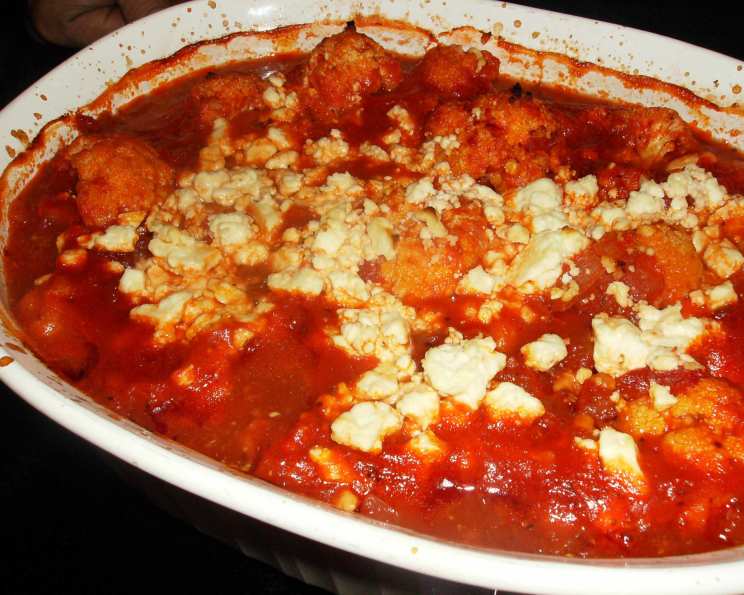
Kounoupithi: A Taste of the Greek Islands in Every Bite
The first time I tasted Kounoupithi, I was standing on a sun-drenched terrace overlooking the Aegean Sea. The air smelled of salt, wild herbs, and the promise of a perfect meal. A local yiayia, her face etched with the wisdom of generations, presented me with a steaming dish of baked cauliflower, its creamy feta crust bubbling invitingly. The combination of sweet tomatoes, fragrant oregano, and the slight tang of the feta transported me, and I knew instantly I needed to recreate this magic back in my own kitchen. This isn’t just a recipe; it’s a memory, a taste of Greek sunshine.
Recipe Overview
- Prep Time: 15 minutes
- Cook Time: 30 minutes
- Total Time: 45 minutes
- Servings: 4-6
- Dietary Type: Vegetarian
Ingredients
- 4 tablespoons olive oil
- 3 garlic cloves, minced
- 1 large yellow onion, chopped
- 30 ounces Italian plum tomatoes
- 1 bay leaf
- 2 teaspoons dried Greek oregano
- 2 inches cinnamon sticks
- Salt, to taste
- Fresh ground black pepper, to taste
- 1 large head cauliflower
- 1 tablespoon fresh lemon juice
- 5 ounces feta cheese
Equipment Needed
- Large sauté pan
- Shallow, ovenproof dish
Instructions
-
Preheat your oven to 375 degrees Fahrenheit (190 degrees Celsius). This ensures the Kounoupithi bakes evenly, allowing the flavors to meld beautifully.
-
In a large sauté pan set over medium heat, gently cook the minced garlic and chopped onion in half of the olive oil (2 tablespoons) until they soften. This usually takes about 5-7 minutes. Be careful not to brown the garlic, as it can become bitter. The aroma should be fragrant and inviting.
-
Add the 30 ounces of Italian plum tomatoes to the pan, along with the bay leaf, dried Greek oregano, and cinnamon sticks. Season generously with salt and fresh ground black pepper. This is your aromatic tomato base, so don’t be shy with the seasoning!
-
Cover the pan and simmer the tomato sauce for 5 minutes. Simmering allows the flavors to develop and deepen, creating a rich and complex sauce.
-
While the sauce simmers, prepare the cauliflower. Cut the large head of cauliflower into florets. You want bite-sized pieces that will cook through evenly.
-
Stir the cauliflower florets into the tomato sauce mixture. Ensure the cauliflower is well coated in the sauce.
-
Cover the pan again and cook for another 10 minutes, allowing the cauliflower to soften slightly. The cauliflower should still have a bit of a bite to it, as it will continue to cook in the oven.
-
Transfer the entire mixture from the sauté pan into a shallow, ovenproof dish. A baking dish approximately 9×13 inches works perfectly.
-
Drizzle the remaining olive oil (2 tablespoons) and the fresh lemon juice over the cauliflower and tomato mixture. The lemon juice adds a bright, tangy note that complements the richness of the sauce and cheese.
-
Grate the feta cheese generously over the top of the cauliflower mixture. Don’t skimp on the feta! It’s what gives this dish its signature creamy, salty flavor.
-
Garnish with a generous sprinkle of fresh ground black pepper.
-
Bake in the preheated oven for approximately 25 minutes, or until the feta cheese is golden brown and bubbly, and the cauliflower is tender but not mushy. The aroma filling your kitchen will be simply divine!
Expert Tips & Tricks
- For an even deeper flavor, consider roasting the cauliflower florets lightly before adding them to the tomato sauce. Toss them with a little olive oil, salt, and pepper, and roast at 400°F (200°C) for about 15 minutes.
- If you don’t have Italian plum tomatoes, you can use crushed tomatoes or diced tomatoes, but be sure to drain off any excess liquid.
- Don’t overcook the cauliflower in the initial stages. It should still have a slight resistance when pierced with a fork.
- For a richer flavor, add a pinch of red pepper flakes to the tomato sauce for a touch of heat.
- If the feta cheese starts to brown too quickly in the oven, tent the dish loosely with aluminum foil to prevent burning.
- A sprinkle of fresh parsley or dill after baking adds a pop of color and freshness.
- To make this dish ahead of time, prepare the cauliflower and tomato sauce mixture, transfer it to the baking dish, and refrigerate it. Add the feta cheese just before baking.
Serving & Storage Suggestions
Kounoupithi is best served warm, straight from the oven. Its comforting aromas and flavors make it a delightful side dish or even a light vegetarian main course. Pair it with crusty bread to soak up the delicious tomato sauce, or serve it alongside grilled chicken or fish for a complete meal.
Leftovers can be stored in an airtight container in the refrigerator for up to 3 days. To reheat, simply warm it in the oven at 350°F (175°C) until heated through, or microwave it in short intervals until warmed. The texture of the cauliflower may soften slightly upon reheating, but the flavor will still be fantastic. Freezing is not recommended, as the texture of the cauliflower and feta can become compromised.
Nutritional Information
| Nutrient | Amount per Serving | % Daily Value |
|---|---|---|
| Calories | 332 kcal | N/A |
| Calories from Fat | N/A | 60% |
| Total Fat | 22.3 g | 34% |
| Saturated Fat | 7.7 g | 38% |
| Cholesterol | 33.4 mg | 11% |
| Sodium | 494.8 mg | 20% |
| Total Carbohydrate | 26.4 g | 8% |
| Dietary Fiber | 8.8 g | 35% |
| Sugars | 13.9 g | 55% |
| Protein | 12 g | 23% |
Note: Nutritional information is an estimate and may vary based on specific ingredients and portion sizes.
Variations & Substitutions
- Vegan Kounoupithi: Substitute the feta cheese with a vegan feta alternative or nutritional yeast for a cheesy flavor.
- Spice it Up: Add a pinch of red pepper flakes or a diced jalapeno to the tomato sauce for a spicy kick.
- Add Greens: Stir in some chopped spinach or kale to the cauliflower mixture for extra nutrients and flavor.
- Different Cheese: Experiment with other cheeses, such as halloumi or kefalotyri, for a different flavor profile.
- Seasonal Vegetables: Add other seasonal vegetables, such as zucchini or bell peppers, to the cauliflower mixture.
- Herb Variations: Use fresh oregano instead of dried, or add other fresh herbs like thyme or rosemary.
FAQs (Frequently Asked Questions)
Q: Can I use frozen cauliflower for this recipe?
A: While fresh cauliflower is preferred for its texture, frozen cauliflower can be used in a pinch. Just be sure to thaw it completely and drain off any excess water before adding it to the tomato sauce.
Q: Can I make this recipe ahead of time?
A: Yes, you can prepare the cauliflower and tomato sauce mixture ahead of time and refrigerate it. Add the feta cheese just before baking.
Q: How do I prevent the feta cheese from burning in the oven?
A: If the feta cheese starts to brown too quickly, tent the dish loosely with aluminum foil to prevent burning.
Q: Can I use different types of tomatoes?
A: While Italian plum tomatoes are recommended, you can use crushed tomatoes or diced tomatoes as a substitute. Just be sure to drain off any excess liquid.
Q: What if I don’t have a bay leaf or cinnamon sticks?
A: The bay leaf and cinnamon sticks add depth of flavor, but you can omit them if you don’t have them on hand. The dish will still be delicious.
Final Thoughts
Kounoupithi is more than just a recipe; it’s a journey to the sun-kissed shores of Greece. This baked cauliflower dish, with its vibrant tomato sauce, tender cauliflower, and salty feta topping, is a testament to the simple yet exquisite flavors of Mediterranean cuisine. I urge you to gather these humble ingredients, follow these steps, and create a taste of the Greek islands in your own kitchen. Share it with loved ones, savor each bite, and let the aromas transport you. And please, share your experience! I’m eager to hear your thoughts and see your own variations on this delightful dish. Perhaps pair it with a crisp glass of Assyrtiko for the full experience!