
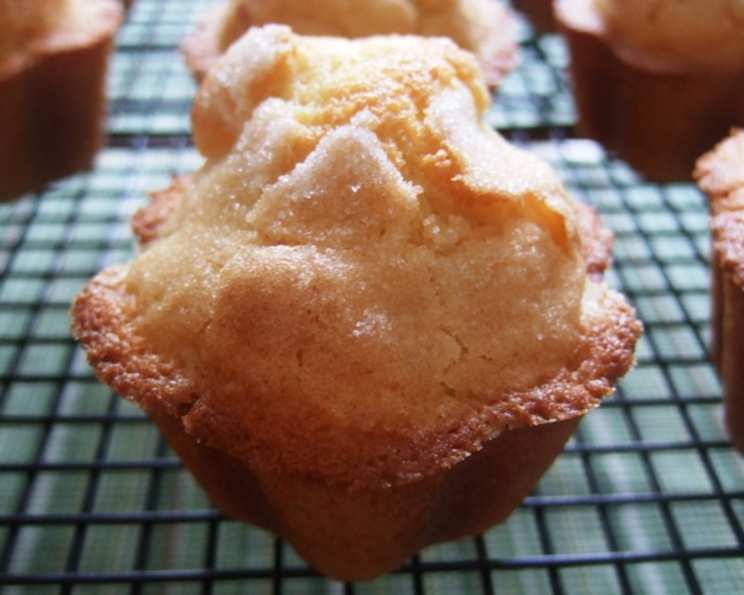
Magdalenas: Sunshine Cakes from Spain
The scent of lemon and warm butter always transports me back to a tiny café in Madrid. Sunlight streamed through the windows, illuminating dust motes dancing in the air, and the air buzzed with the murmur of conversations. I was jet-lagged but determined to explore. My first taste of a magdalena, dipped into a steaming cup of café con leche, was pure bliss. The tender crumb, the bright citrus notes, and the satisfying sweetness were the perfect antidote to my travel weariness. It was a moment of pure, simple joy, and I’ve been chasing that perfect magdalena ever since.
Recipe Overview
- Prep Time: 15 minutes
- Cook Time: 18-20 minutes
- Total Time: 33-35 minutes
- Servings: 9
- Yields: 18 cakes
- Dietary Type: Not specified
Ingredients
- 4 eggs
- 1 cup granulated sugar
- 4 ounces unsalted butter
- 1 2/3 cups unbleached white flour
- 1 tablespoon baking powder
- 1 lemon, zest of
- 1 teaspoon vanilla extract
- 1 tablespoon milk
Equipment Needed
- Cupcake pan
- Paper liners
- Small bowl
- Mixing bowls
- Saucepan (or microwave-safe bowl)
- Electric mixer (or whisk)
- Spoon
- Teaspoon
Instructions
-
Begin by preheating your oven to 375 degrees Fahrenheit (200 degrees Centigrade). This is crucial for achieving the signature rise and golden color of magdalenas.
-
Next, measure out 1/4 cup of the granulated sugar into a small bowl and set it aside. This sugar will be sprinkled on top of the magdalenas before baking, adding a delightful textural contrast and a touch of extra sweetness.
-
In a mixing bowl, beat the eggs with the remaining 3/4 cup of sugar until the mixture becomes light and pale. This process incorporates air into the batter, which is key to achieving a fluffy, airy texture. Use an electric mixer for best results, but a whisk and some elbow grease will also work.
-
Now, melt the butter. You can do this in a small saucepan over medium heat on the stovetop, or in a microwave-safe bowl in the microwave. If using the microwave, melt the butter in short intervals (about 30 seconds each), stirring in between, to prevent it from splattering or overheating. It’s very important that the butter cools slightly after melting; you don’t want to cook the eggs when you add it to the mixture.
-
As you continue to beat the egg mixture, slowly pour in the melted, slightly cooled butter, making sure to mix thoroughly. Pouring it in slowly ensures that the butter emulsifies properly into the egg mixture, creating a smooth and stable batter.
-
Stir in the lemon zest, vanilla extract, and milk. The lemon zest adds a bright, citrusy aroma and flavor, while the vanilla extract enhances the overall sweetness and depth of the cakes. The milk adds a touch of moisture.
-
In a separate bowl, measure out the flour. Add the baking powder to the flour and mix thoroughly. This ensures that the baking powder is evenly distributed throughout the flour, which will result in a uniform rise.
-
While stirring the egg mixture, gradually add in the flour mixture. Continue to stir until all ingredients are mixed well and the batter is smooth. Be careful not to overmix the batter, as this can develop the gluten in the flour and result in tough cakes. The batter will be quite thick, which is perfectly normal.
-
Place paper liners into your cupcake pan. These prevent the magdalenas from sticking and make for easy removal.
-
Use a large serving spoon to spoon the batter into the prepared cupcake pan, filling each liner about half full. Remember that the batter will more than double in size during baking, so avoid overfilling the liners.
-
Use a teaspoon to sprinkle each magdalena with a bit of the reserved sugar. This sugar will caramelize during baking, creating a beautiful golden crust and a delightful crunch.
-
Place the pan on the middle shelf of the preheated oven for 18-20 minutes, or until the magdalenas have turned a beautiful golden color and a toothpick inserted into the center comes out clean. Keep a close eye on them during the last few minutes of baking to prevent them from burning.
-
Remove the magdalenas from the oven and allow them to cool in the pan for about 5 minutes before carefully transferring them to a wire rack to cool completely. This prevents them from sticking to the pan and allows them to cool evenly.
Expert Tips & Tricks
- Room Temperature Ingredients: While not explicitly stated, using room-temperature eggs allows for better emulsification and a lighter, airier batter. Take the eggs out of the refrigerator about 30 minutes before you start baking.
- Butter Browning (Optional): For a richer, nuttier flavor, consider browning the butter before melting it. Watch it closely as it melts until it turns a light brown color and emits a nutty aroma. Cool completely before adding to the batter.
- Lemon Infusion: For an even stronger lemon flavor, you can infuse the milk with lemon zest. Heat the milk with the zest, let it steep for 30 minutes, then strain before adding it to the batter.
Serving & Storage Suggestions
Magdalenas are best enjoyed fresh, slightly warm, with a cup of coffee or hot chocolate. They also make a delightful addition to a brunch spread or a sweet treat for an afternoon tea.
Store leftover magdalenas in an airtight container at room temperature for up to 3 days. For longer storage, you can freeze them for up to 2 months. To freeze, wrap each magdalena individually in plastic wrap and then place them in a freezer-safe bag or container. Thaw at room temperature before serving.
To refresh slightly stale magdalenas, you can warm them in a low oven (about 300°F) for a few minutes or microwave them briefly.
Nutritional Information
| Nutrient | Amount per Serving | % Daily Value |
|---|---|---|
| Calories | 297.5 kcal | N/A |
| Calories from Fat | N/A | 38% |
| Total Fat | 12.6 g | 19% |
| Saturated Fat | 7.2 g | 36% |
| Cholesterol | 110 mg | 36% |
| Sodium | 155.7 mg | 6% |
| Total Carbohydrate | 41.2 g | 13% |
| Dietary Fiber | 0.8 g | 3% |
| Sugars | 22.6 g | N/A |
| Protein | 5.4 g | 10% |
Note: Percent Daily Values are based on a 2,000 calorie diet.
Variations & Substitutions
- Orange Magdalenas: Substitute orange zest for the lemon zest for a slightly different citrus flavor.
- Almond Magdalenas: Add 1/4 teaspoon of almond extract to the batter for a hint of almond flavor. You can also sprinkle sliced almonds on top before baking.
- Chocolate Chip Magdalenas: Fold 1/2 cup of chocolate chips into the batter before spooning it into the cupcake liners.
- Gluten-Free Magdalenas: Substitute a gluten-free all-purpose flour blend for the regular flour. You may need to adjust the liquid slightly to achieve the correct batter consistency.
FAQs (Frequently Asked Questions)
Q: Why is my magdalena batter so thick?
A: Magdalena batter is naturally quite thick due to the high proportion of flour. This thickness is necessary to support the rise and create the characteristic dome shape.
Q: Can I use salted butter instead of unsalted butter?
A: While you can use salted butter, it’s best to use unsalted butter to control the amount of salt in the recipe. If you do use salted butter, omit a pinch of salt from the dry ingredients.
Q: How do I prevent my magdalenas from sticking to the paper liners?
A: Using good-quality paper liners usually prevents sticking. However, you can also lightly grease the liners with cooking spray before filling them with batter.
Q: Why did my magdalenas not rise properly?
A: Several factors can affect the rise of magdalenas, including using old baking powder, overmixing the batter, or not preheating the oven to the correct temperature.
Q: Can I make the batter ahead of time?
A: It’s best to bake the magdalenas immediately after preparing the batter. Letting the batter sit for too long can cause the baking powder to lose its effectiveness, resulting in flat cakes. If you must prepare the batter ahead of time, store it in the refrigerator for no more than 30 minutes.
Final Thoughts
Magdalenas are more than just simple cakes; they are a taste of Spain, a reminder of sunny mornings and shared moments. This recipe is your passport to creating these little bundles of joy in your own kitchen. Don’t be afraid to experiment with different flavors and variations to create your own signature magdalena. And most importantly, enjoy the process of baking and sharing these delightful treats with your loved ones.