
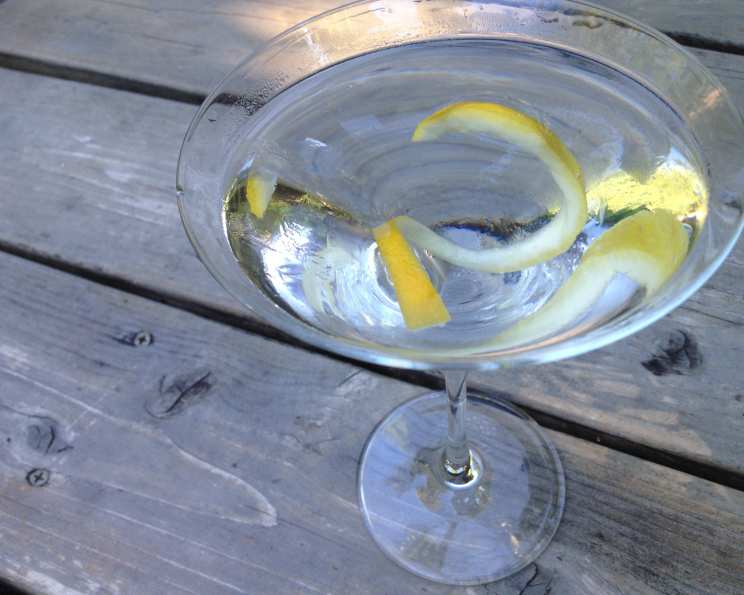
The Art of the Martini: A Classic Cocktail, Perfected
I still remember my first “real” martini. It wasn’t some sugary imposter; it was the genuine article, served in a frosty glass at a dimly lit bar in Manhattan. The bartender, a man of few words but immense skill, crafted it with precision. The first sip was revelatory – an icy, bracing fire that woke up my palate and seemed to sharpen my senses. It was a moment of pure sophistication, and I’ve been chasing that perfect martini ever since.
Recipe Overview
- Prep Time: 5 minutes
- Cook Time: 0 minutes
- Total Time: 5 minutes
- Servings: 1
- Yield: 1 cocktail
- Dietary Type: Gluten-Free
Ingredients
Martini
- 2 ounces gin (or vodka)
- 1/2 ounce dry vermouth
- Olive (for garnish)
Classic Dry Martini
- 2 ounces gin (or vodka)
- 1 1/2 teaspoons dry vermouth
- Olive (for garnish)
Extra-Dry Martini
- 2 ounces gin (or vodka)
- 1 teaspoon dry vermouth
- Olive (for garnish)
Equipment Needed
- Cocktail shaker
- Jigger or measuring spoons
- Strainer
- Martini glass (chilled)
Instructions
- Fill a cocktail shaker with ice. The more ice, the colder your martini will be!
- Add 2 ounces of gin (or vodka) and 1/2 ounce of dry vermouth to the shaker for a standard martini. Adjust the vermouth amount to your liking – use 1 1/2 teaspoons for a Classic Dry Martini or 1 teaspoon for an Extra-Dry Martini.
- Close the shaker tightly and shake vigorously for 15-20 seconds. This energetic shaking is crucial for properly chilling and diluting the cocktail. The shaker should feel very cold to the touch. Note that some purists prefer stirring to avoid tiny ice shards, but shaking achieves a colder and, arguably, more refreshing result.
- Strain the martini into a chilled martini glass. Use a strainer to prevent ice chips from entering the glass. A frosty glass is essential for maintaining the martini’s chill. You can chill your glass ahead of time by placing it in the freezer for at least 30 minutes.
- Garnish with a pitted olive. The olive adds a salty, briny counterpoint to the dry spirit. Consider using olives stuffed with pimentos, blue cheese, or almonds for a more complex flavor.
Martini Variations:
- Cajun Martini: Substitute jalapeno-infused vodka or gin for regular gin; garnish with a pickled tomato or okra, or a tiny whole red or green chile. This adds a spicy kick to the classic.
- Dirty Martini: Add 1 to 2 teaspoons olive brine. The brine adds a salty, savory element to the drink.
- Fino Martini: Substitute 2 teaspoons fino sherry for the vermouth. Fino sherry brings a nutty, saline quality to the martini.
- Gibson: Garnish with a cocktail onion. The cocktail onion provides a sweet-and-sour bite.
- Paisley Martini: Reduce vermouth to 1 1/2 teaspoon; add 1 teaspoon Scotch; garnish with lemon twist. The scotch lends a smoky depth.
- Perfect Martini: Use half sweet vermouth and half dry vermouth; garnish with orange slice. The orange slice complements the blended vermouth flavors.
- Rumtini: Substitute light rum for gin; garnish with lime twist. Light rum will provide a sweeter, less botanical flavor profile.
- Saketini: Substitute sake for the vermouth; garnish with lemon twist or olive. Sake gives a mild, subtly sweet flavor.
- Scotini: Substitute Scotch for the vermouth; garnish with lemon twist. Scotch offers a bolder, smokier alternative.
- Sweet Martini: Substitute sweet vermouth for the dry vermouth; garnish with orange slice. Sweet vermouth creates a sweeter, richer cocktail.
- Tequini: Substitute tequila for gin. This lends an earthy, agave-forward profile.
Expert Tips & Tricks
- The Spirit Matters: The quality of your gin or vodka is paramount. Don’t skimp on this – it’s the foundation of the entire drink. Experiment with different brands and styles to find your favorite. London Dry gins offer a classic juniper-forward flavor, while other gins may have citrus or floral notes.
- Vermouth Storage: Always store your dry vermouth in the refrigerator after opening. Vermouth is a fortified wine, and it will oxidize and lose its flavor quickly at room temperature. An opened bottle will only last a few weeks in the fridge.
- Chill Factor: The colder the better! Pre-chill your gin or vodka (though some argue against this as it reduces water dilution from the ice) and always chill your glasses.
- Ice is Key: Use large, solid ice cubes made from filtered water. Smaller, softer ice will melt faster and dilute your martini.
- Shaking vs. Stirring: Shaking creates a colder, slightly more diluted martini with a slightly cloudy appearance. Stirring results in a crystal-clear martini that’s less cold. The choice is a matter of personal preference. If stirring, use a bar spoon to gently stir the ingredients with ice in a mixing glass for about 30 seconds.
- Adjust the Ratio: The classic martini ratio of gin to vermouth is 2:1. However, feel free to adjust this to your taste. Some people prefer a drier martini with less vermouth, while others prefer a slightly wetter martini with more vermouth.
Serving & Storage Suggestions
A martini is best served immediately after preparation in a chilled martini glass. It is not intended to be stored for later. Once made, the dilution from the ice will continue to affect the flavor and texture. The ideal temperature is icy cold.
Nutritional Information
| Nutrient | Amount per Serving | % Daily Value |
|---|---|---|
| Calories | 150 kcal | N/A |
| Total Fat | 0g | 0% |
| Saturated Fat | 0g | 0% |
| Cholesterol | 0mg | 0% |
| Sodium | 5mg | 0% |
| Total Carbohydrate | 0g | 0% |
| Dietary Fiber | 0g | 0% |
| Sugars | 0g | 0% |
| Protein | 0g | 0% |
Note: Nutritional information is an estimate and will vary based on specific ingredients used.
Variations & Substitutions
- Infused Spirits: Experiment with infusing your gin or vodka with herbs, spices, or fruits for a unique twist.
- Flavored Vermouth: Explore different types of vermouth, such as blanc or rosé, for a different flavor profile.
- Citrus Zest: Instead of an olive, garnish with a lemon or grapefruit twist for a bright, aromatic touch. Express the oils from the zest over the drink before dropping it in.
- For a non-alcoholic version: Substitute the gin or vodka with a high-quality non-alcoholic spirit alternative and adjust the vermouth accordingly. Seedlip Garden 108, for example, would be a good starting point.
FAQs (Frequently Asked Questions)
Q: What is the best type of gin for a martini?
A: London Dry gin is a classic choice, known for its prominent juniper flavor. However, experiment with other styles to find your preference.
Q: Why is it important to chill the martini glass?
A: A chilled glass helps to keep the martini cold for longer, preventing it from becoming diluted too quickly.
Q: Can I make a martini ahead of time?
A: It’s best to make a martini just before serving, as it will become diluted if left to sit. You can, however, pre-chill your glasses and spirits.
Q: What’s the difference between a shaken and stirred martini?
A: Shaking chills and dilutes the drink more, resulting in a colder, slightly cloudier martini. Stirring produces a crystal-clear martini that’s less cold.
Q: How much vermouth should I use in a martini?
A: The amount of vermouth is a matter of personal preference. Start with 1/2 ounce for a standard martini and adjust to your liking.
Final Thoughts
Mastering the martini is a journey, not a destination. Don’t be afraid to experiment with different gins, vermouths, and garnishes to find your perfect combination. Whether you prefer it shaken or stirred, dry or dirty, the key is to use high-quality ingredients and prepare it with care. So, grab your shaker, chill your glass, and embark on your own martini adventure. Cheers!