
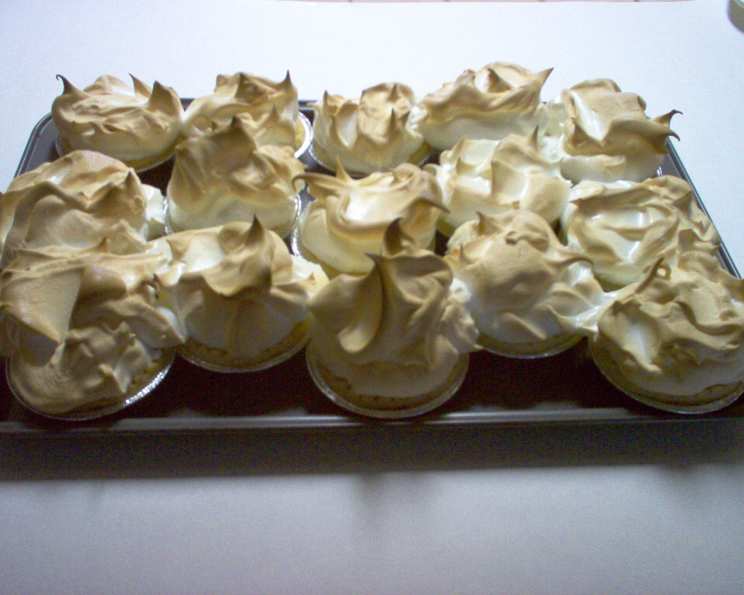
The Secret Weapon: Meringue Made Easy with Powdered Egg White
My grandmother, bless her heart, was a stickler for tradition. Every Thanksgiving, without fail, she’d produce a towering lemon meringue pie, the meringue reaching for the heavens like a fluffy, sweet cumulus cloud. She’d spend what seemed like hours meticulously whipping egg whites, fretting over humidity levels, and whispering incantations to the kitchen gods to prevent weeping or collapsing. It was a tense and dramatic affair. Now, while I loved that pie, I’ve always been a little intimidated by the whole process. Then, I discovered the secret weapon: powdered egg white. It allows anyone to achieve a perfectly stable and beautiful meringue, without the drama.
Recipe Overview
- Prep Time: 10 minutes
- Cook Time: 10 minutes
- Total Time: 20 minutes
- Yields: 1 large or 2 small pies
- Dietary Type: Dairy-Free
Ingredients
- ¾ cup sugar
- ¾ cup water
- ¼ cup egg white powder
- ½ teaspoon vanilla (optional)
Equipment Needed
- Mixer (stand mixer or hand mixer)
- Mixing bowl
- Rubber spatula
- Oven
Instructions
- Preheat your oven to 400°F (200°C). It’s crucial to have the oven ready and hot so the meringue sets quickly and evenly.
- In the mixer bowl, combine ¼ cup of the sugar with the egg white powder. Whisk these dry ingredients together briefly to ensure the egg white powder is evenly distributed. This helps prevent clumping when the water is added.
- Add the water to the bowl with the sugar and egg white powder mixture.
- Using a mixer (either a stand mixer fitted with the whisk attachment or a hand mixer), begin mixing on low-medium speed for approximately 3-5 minutes. This initial mixing stage is important for hydrating the egg white powder and creating a smooth base. The mixture should start to look slightly frothy.
- Use a rubber spatula to scrape down the sides and bottom of the bowl. This ensures that all the ingredients are fully incorporated and there are no dry pockets of egg white powder clinging to the bowl.
- Increase the mixer speed to high. Gradually add the remaining ½ cup of sugar, a little at a time, while continuing to beat the mixture. Adding the sugar gradually is key to creating a stable meringue; it helps build structure and prevents the meringue from collapsing. If desired, add the vanilla extract at this stage.
- Again, scrape the bowl with the rubber spatula to ensure even mixing.
- Continue beating the meringue on high speed until it reaches stiff peaks. The meringue is ready when it holds its shape firmly and the peaks stand up straight without drooping. However, be careful not to overbeat, as this can cause the meringue to become dry and grainy. The goal is stiff, glossy peaks.
- Immediately spread the meringue over the hot pie filling, ensuring that it seals to the edges of the crust. Sealing the meringue to the crust prevents it from shrinking and weeping during baking. Be generous with the application, covering the entire surface of the pie filling.
- Bake in the preheated oven for approximately 10 minutes, or until the meringue is beautifully browned. Keep a close eye on the meringue during baking, as it can brown quickly. You want a golden-brown color, indicating the meringue is cooked through. If it starts to brown too quickly, you can reduce the oven temperature slightly or tent the pie loosely with foil.
Expert Tips & Tricks
- Room Temperature Water: While the recipe doesn’t explicitly call for it, using room-temperature water can help the egg white powder dissolve more readily.
- Don’t Rush the Beating Process: Patience is key. Allow ample time for the meringue to develop stiff peaks. Rushing this process can result in a less stable meringue.
- Cream of Tartar (Optional): A pinch of cream of tartar (about ⅛ teaspoon) can be added along with the egg white powder to further stabilize the meringue. It helps to create a finer texture and prevents weeping.
- The ‘Finger Test’: To check for doneness, gently touch the top of the meringue. It should feel firm and slightly springy.
- Preventing Weeping: Sealing the meringue tightly to the crust and baking it at a relatively high temperature helps prevent weeping. Also, avoid humid conditions when making the meringue.
Serving & Storage Suggestions
Serve the meringue pie as soon as possible after baking to enjoy the best texture and flavor. The meringue is at its peak when it’s freshly browned and slightly warm.
If you have leftovers, store them loosely covered in the refrigerator. Meringue is best consumed within 1-2 days, as it tends to soften and weep over time. It’s not recommended to freeze meringue pie, as the meringue will become soggy and lose its texture upon thawing.
Nutritional Information
| Nutrient | Amount per Serving | % Daily Value |
|---|---|---|
| Calories | ~340 kcal | ~17% |
| Total Fat | ~0g | ~0% |
| Saturated Fat | ~0g | ~0% |
| Cholesterol | ~0mg | ~0% |
| Sodium | ~167mg | ~7% |
| Total Carbohydrate | ~75.5g | ~25% |
| Dietary Fiber | ~0g | ~0% |
| Sugars | ~75.5g | ~300% |
| Protein | ~11g | ~22% |
Note: Nutritional information is an estimate and may vary based on specific ingredients and serving sizes.
Variations & Substitutions
- Flavor Extracts: Experiment with different flavor extracts in place of vanilla. Almond, lemon, or peppermint extract can add a unique twist to your meringue.
- Toasted Coconut Flakes: Sprinkle toasted coconut flakes over the meringue after baking for added texture and flavor.
- Citrus Zest: Add a teaspoon of lemon, lime, or orange zest to the meringue mixture for a burst of citrus flavor.
- Different Sugars: While granulated sugar is the standard, you could experiment with superfine sugar for an even smoother meringue.
- Meringue Cookies: Pipe the meringue mixture onto a baking sheet lined with parchment paper and bake at a low temperature (around 200°F/95°C) for 1-2 hours to create meringue cookies.
FAQs (Frequently Asked Questions)
Q: Can I make meringue ahead of time?
A: It’s best to make the meringue right before baking the pie for optimal texture. However, you can prepare the pie filling ahead of time and simply add the meringue when you’re ready to bake.
Q: Why is my meringue weeping?
A: Weeping can be caused by underbaking, using too much liquid, or high humidity. Be sure to bake the meringue until it’s fully set, seal it to the crust, and avoid making it on a humid day.
Q: Can I use a hand mixer instead of a stand mixer?
A: Yes, a hand mixer works perfectly fine. Just be prepared to put in a little extra elbow grease!
Q: What if I don’t have vanilla extract?
A: Vanilla extract is optional and can be omitted without affecting the structure of the meringue.
Q: Can I use this meringue recipe for other desserts?
A: Absolutely! This recipe is versatile and can be used as a topping for cupcakes, baked Alaska, or other desserts that call for meringue.
Final Thoughts
Making meringue can seem daunting, but with powdered egg white, it becomes incredibly accessible and reliable. This recipe offers a simple and foolproof way to achieve a beautiful, stable meringue that will impress your family and friends. Don’t be afraid to experiment with different flavors and toppings to create your own signature meringue pie. Now, go forth and conquer the meringue! And remember, if you have any questions or feedback, feel free to share your experiences – I’d love to hear how it turns out. Perhaps a lemon curd pie with this cloud-like topping? Or maybe even individual baked Alaskas for a touch of elegance! The possibilities are as endless as your imagination.