
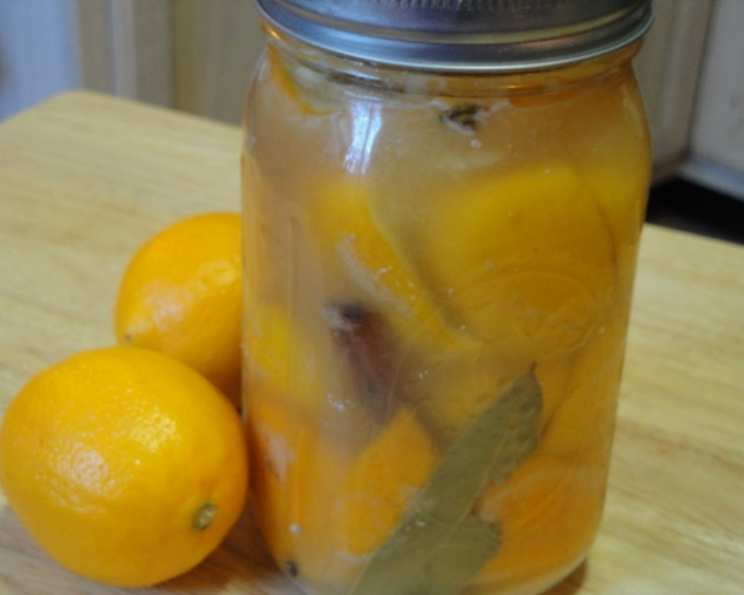
The Alchemy of Moroccan Preserved Lemons: Sunshine in a Jar
There’s a scent that instantly transports me back to a tiny, sun-drenched riad in Marrakech: a complex, bright aroma of citrus, salt, and something indefinably exotic. It’s the smell of preserved lemons, the unsung heroes of Moroccan cuisine. I remember haggling for a handful from a vendor in the souk, their skins glistening like jewels, the air thick with the murmur of bartering and the tantalizing promise of tagines to come. These weren’t just lemons; they were concentrated sunshine, potent enough to transform even the simplest dish into a vibrant culinary adventure.
Recipe Overview
- Prep Time: 15 minutes (plus 3 days soaking, optional)
- Cook Time: 30 days ripening
- Total Time: 30 days 15 minutes
- Yields: Approximately 1 1/2 cups
- Serves: 6
- Dietary Type: Vegan, Gluten-Free
Ingredients
- 5 lemons
- 1/4 cup salt, more if desired
- Fresh lemon juice, if necessary
Optional Safi Mixture:
- 1 cinnamon stick
- 3 cloves
- 5-6 coriander seeds
- 3-4 black peppercorns
- 1 bay leaf
Equipment Needed
- Mason jar (sterilized)
- Wooden spoon or other wooden utensil
Instructions
- (Optional Softening): If you wish to soften the peel of the lemons, soak them in lukewarm water for 3 days, changing the water daily. This step isn’t essential but will result in a more tender final product.
- (Preparing the Lemons): Quarter the lemons from the top to within 1/2 inch of the bottom, keeping the base intact. The lemons should resemble flowers about to bloom.
- (Salting the Lemons): Generously sprinkle salt on the exposed flesh of each lemon. Don’t be shy; the salt is crucial for preservation and flavor development. Reshape the lemons so they’re somewhat closed again.
- (Layering in the Jar): Place 1 tablespoon of salt on the bottom of the mason jar.
- (Packing the Jar): Pack the lemons tightly into the mason jar, pushing them down firmly. Add more salt and the optional spices ( cinnamon stick, cloves, coriander seeds, black peppercorns, bay leaf) between the layers. The goal is to pack the lemons as densely as possible.
- (Releasing the Juices): Press the lemons down firmly to release their juices. This is essential for creating the brining liquid. Continue pressing to make room for the remaining lemons.
- (Adding Lemon Juice): If the juice released from the squashed lemons does not completely cover them, add freshly squeezed lemon juice. Important: Do not use chemically produced lemon juice or water. The lemons must be fully submerged in lemon juice to ensure proper preservation.
- (Leaving Air Space): Leave some air space at the top of the jar before sealing it. This prevents the jar from bursting as the lemons ferment.
- (Ripening): Let the lemons ripen in a warm place for 30 days. Shake the jar each day to distribute the salt and juice. This ensures even preservation and flavor development. Think of it as a daily act of love.
- (Using Preserved Lemons): To use, rinse the lemons as needed under running water to remove excess salt. You can remove and discard the pulp if desired, or use it along with the rind for a more intense flavor. There’s no need to refrigerate after opening. The magic of preservation!
Expert Tips & Tricks
- To maximize juice extraction, particularly if your lemons are less juicy, try the trick from the late Michael Field: boil the lemons in water for 2 or 3 minutes, let them cool, and then squeeze. You’ll be amazed at how much more juice you get.
- Meyer lemons, in season during January and February, closely approximate the flavor of Moroccan lemons. This lemon/mandarin orange hybrid has yellow-orange flesh, a smooth rind, and a sweeter flavor than other lemons. If you can find them, they’ll elevate your preserved lemons to another level.
- Always use clean utensils to remove lemons from the jar to avoid contaminating the inside with bacteria. This way, the remaining contents of the jar will not need to be refrigerated.
- Don’t discard the pickling juice after you’ve used all the lemons! It’s liquid gold. Save it for adding a salty, citrusy kick to dressings, marinades, or even cocktails.
Serving & Storage Suggestions
Preserved lemons are incredibly versatile. Rinse them well to remove excess salt before using. You can use both the rind and the pulp, or just the rind, depending on your preference. The rind is where most of the characteristic flavor resides.
- Tagines: A must-have ingredient in lamb, chicken, and vegetable tagines.
- Salads: Finely chop and add to salads for a burst of salty, citrusy flavor.
- Dressings: Whisk into salad dressings for a unique twist.
- Marinades: Add to marinades for fish, chicken, or meat.
- Dips: Blend into hummus or other dips for added depth of flavor.
Preserved lemons will keep for up to a year. The pickling juice can be used two or three times over the course of a year. Store in a cool, dark place.
Nutritional Information
Note: Nutritional information is approximate and can vary depending on lemon size and salt content.
| Nutrient | Amount per Serving | % Daily Value |
|---|---|---|
| Calories | 20 kcal | 1% |
| Total Fat | 0g | 0% |
| Saturated Fat | 0g | 0% |
| Cholesterol | 0mg | 0% |
| Sodium | 4500mg | 188% |
| Total Carbohydrate | 6g | 2% |
| Dietary Fiber | 2g | 7% |
| Sugars | 1g | – |
| Protein | 1g | 2% |
Variations & Substitutions
- Spice it up: Experiment with other spices in the Safi mixture. Add a pinch of chili flakes for heat, or a few star anise pods for a licorice note.
- Herbed Lemons: Include fresh herbs like thyme, rosemary, or oregano in the jar along with the lemons.
- Oil-Preserved Lemons (Moroccan Jewish Style): Add a generous glug of olive oil to the jar along with the lemon juice. This will create a richer, more decadent preserved lemon.
- Citrus Medley: Use a mix of lemons, limes, and even oranges for a more complex flavor profile.
FAQs (Frequently Asked Questions)
Q: Why do I need to use so much salt?
A: The salt is essential for preserving the lemons and preventing spoilage. It also draws out moisture and helps to tenderize the peel. Don’t be afraid of it; you’ll rinse off the excess before using.
Q: Can I use regular table salt instead of sea salt or kosher salt?
A: While you can use table salt, sea salt or kosher salt are preferred because they don’t contain iodine or anti-caking agents, which can affect the flavor and appearance of the preserved lemons.
Q: What if my lemons aren’t fully submerged in juice?
A: It’s crucial that the lemons are completely submerged in lemon juice to prevent mold growth. If necessary, add more freshly squeezed lemon juice until they are fully covered.
Q: How do I know when the preserved lemons are ready?
A: After 30 days, the lemons should be soft and pliable, and the peel should have a translucent quality. They will also have a distinct, fermented aroma.
Q: Is the white substance on my preserved lemons safe to eat?
A: Sometimes a lacy, white substance may appear on the preserved lemons in the jar. This is perfectly harmless yeast, but should be rinsed off for aesthetic reasons just before the lemons are used.
Final Thoughts
Making preserved lemons is a slow and deliberate process, but the reward is well worth the effort. With just a few simple ingredients and a little patience, you can create a culinary treasure that will elevate your cooking to new heights. So, gather your lemons, embrace the alchemy, and prepare to be transported to the sun-kissed shores of Morocco with every bite. Don’t hesitate to experiment with the spices and herbs to create your own unique flavor profile. And most importantly, share your creations with friends and family – the taste of sunshine is always best enjoyed together!