
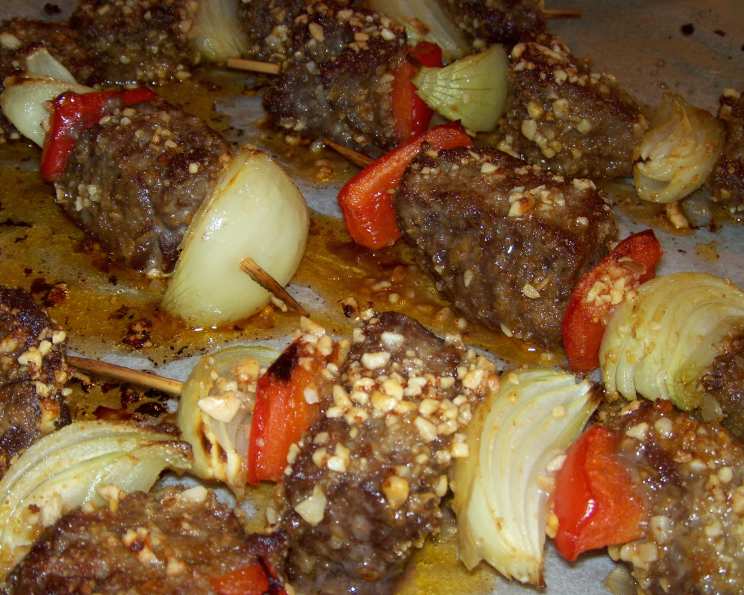
Nigerian Suya: A Taste of the Streets, Recreated at Home
The memory is so vivid: the hot Lagos air thick with the scent of grilling meat and spices, the rhythmic chanting of the suya vendors, and the eager anticipation as I unwrapped my little paper parcel. Inside, nestled amongst folds of newsprint, were skewers of perfectly charred beef, liberally dusted with a fiery peanut spice blend. I remember not caring one bit about the questionable hygiene, the meat sitting unrefrigerated on the roadside – the flavor was simply too intoxicating. Each bite was an explosion of smoky, spicy, savory goodness, a culinary adventure that etched itself into my soul. Now, I recreate that experience in my own kitchen, a safer (but equally delicious) tribute to the streets of Nigeria.
Recipe Overview
- Prep Time: 35 minutes
- Cook Time: 10-15 minutes
- Total Time: 45-50 minutes
- Servings: Variable
- Yields: 2 lbs
- Dietary Type: Varies depending on meat choice (can be gluten-free, dairy-free)
Ingredients
- 3 teaspoons finely ground roasted peanuts (see instructions below)
- 1 teaspoon red pepper flakes (or more, to taste)
- 1 teaspoon paprika
- 1 teaspoon salt
- ½ teaspoon ground ginger
- ½ teaspoon garlic powder
- ½ teaspoon onion powder
- 2 lbs beef, cut into bite-sized pieces (or chicken, goat, or other meat)
- 1 onion, peeled and cut into chunks (optional)
- 1 tomato, cut into chunks (optional)
- 1 sweet green pepper, cleaned and cut into chunks (optional)
Equipment Needed
- Mortar and pestle (or food processor)
- Bowls
- Skewers
- Grill or broiler
Instructions
- Prepare the Peanut Powder: If you haven’t already, you’ll need to grind your roasted peanuts into a fine powder. If using shelled, roasted peanuts, ensure all skins are removed. You can use a mortar and pestle for a more traditional approach, briefly pounding the peanuts until finely ground. Alternatively, a rolling pin can be used to crush them. A food processor is the quickest option, but be extremely careful not to over-process, as you want to avoid turning the peanuts into peanut butter. Pulse in short bursts until you achieve a fine powder.
- De-Oil the Peanut Powder (If Necessary): Depending on the type of peanuts and your grinding method, the peanut powder might become oily. To remove excess oil, wrap the powder in absorbent paper towels and gently squeeze for a minute or two. This will help the spice mix adhere better to the meat.
- Create the Suya Spice Blend: In a bowl, combine the prepared peanut powder, red pepper flakes, paprika, salt, ground ginger, garlic powder, and onion powder. Mix thoroughly to ensure all spices are evenly distributed.
- Divide the Spice Mix: Divide the peanut-spice mix into two separate bowls. Set one bowl aside – this will be used for serving and ensures no cross-contamination with raw meat.
- Marinate the Meat: Dip and roll the beef (or your chosen meat) pieces in one of the bowls containing the peanut-spice mix, ensuring each piece is completely coated. Really press the spice mixture into the meat so it adheres well.
- Marinate for at least 30 minutes: Allow the meat to marinate for at least thirty minutes, or longer for a more intense flavor. You can marinate it in the refrigerator for several hours, or even overnight, for maximum flavor penetration. If marinating for an extended period, cover the bowl with plastic wrap. This is a good time to prepare your grill or preheat your oven broiler.
- Thread the Skewers: Thread the marinated meat onto skewers. If desired, alternate the meat with chunks of onion, tomato, and sweet green pepper. Using a variety of vegetables adds color and flavor to the suya.
- Cook the Suya: Place the skewers on a preheated grill over medium-high heat or under a hot broiler. Cook, turning frequently, until the meat is cooked through and slightly charred.
- Grilling: If grilling, ensure the coals are hot but not blazing, to prevent burning the outside before the inside is cooked.
- Broiling: If broiling, keep a close eye on the suya to prevent burning. Adjust the rack position as needed to control the heat.
- Meat Thermometer: Use a meat thermometer to check for doneness. For beef, aim for an internal temperature of 145°F (63°C) for medium-rare, 160°F (71°C) for medium, or 170°F (77°C) for well-done. For chicken, ensure the internal temperature reaches 165°F (74°C).
- Serve Immediately: Serve the suya immediately, while it is still hot and flavorful. Offer the reserved peanut-spice mix on the side for sprinkling or dipping as desired. Do not serve the spice mix that came into contact with the raw meat.
Expert Tips & Tricks
- Spice Level Adjustment: For a spicier suya, increase the amount of red pepper flakes. For a milder dish, substitute some or all of the red pepper flakes with paprika. You can also use a combination of different types of peppers for a more complex flavor profile.
- Peanut Powder Consistency: The consistency of the peanut powder is crucial. It should be finely ground, but not oily or pasty. If you accidentally over-process the peanuts, try adding a little cornstarch or flour to absorb some of the excess oil.
- Marinating Time: The longer the meat marinates, the more flavorful it will be. However, be careful not to marinate for too long, especially with acidic marinades, as this can make the meat mushy.
- Grilling Technique: If grilling, use a medium-high heat to sear the meat and create a nice char. Avoid using excessive heat, which can burn the outside before the inside is cooked.
- Even Cooking: Ensure the meat pieces are of uniform size to promote even cooking.
- Skewers: If using wooden skewers, soak them in water for at least 30 minutes before threading the meat. This will prevent them from burning on the grill.
Serving & Storage Suggestions
Serve Nigerian Suya immediately after cooking for the best flavor and texture. Traditionally, it’s served simply wrapped in newspaper or butcher paper, allowing the smoky aroma to entice the diner. Offer the reserved peanut-spice mix on the side for an extra kick. You can also serve it with sliced onions and tomatoes for a refreshing contrast to the spicy meat.
Leftover suya can be stored in an airtight container in the refrigerator for up to 3 days. Reheat gently in a skillet over medium heat or in a preheated oven at 350°F (175°C) until warmed through. Microwaving is not recommended as it can make the meat tough. Freezing is also an option; store in a freezer-safe bag or container for up to 2 months. Thaw completely before reheating.
Nutritional Information
Note: Nutritional information is an estimate and can vary based on specific ingredients and portion sizes.
| Nutrient | Amount per Serving | % Daily Value |
|---|---|---|
| Calories | 450 kcal | 23% |
| Total Fat | 25g | 38% |
| Saturated Fat | 10g | 50% |
| Cholesterol | 100mg | 33% |
| Sodium | 600mg | 25% |
| Total Carbohydrate | 10g | 3% |
| Dietary Fiber | 3g | 12% |
| Sugars | 2g | – |
| Protein | 40g | 80% |
Variations & Substitutions
- Meat Variations: While beef is the most traditional choice, you can use other meats such as chicken, goat, or lamb. Adjust cooking times accordingly.
- Vegetarian Suya: Tofu or tempeh can be used as a vegetarian alternative. Marinate the tofu or tempeh for a longer period to allow the flavors to penetrate.
- Spice Variations: Experiment with different spices to create your own unique suya blend. You can add smoked paprika, cumin, coriander, or chili powder.
- Nut-Free Option: If you have a peanut allergy, you can substitute the peanut powder with finely ground sunflower seeds or pumpkin seeds.
- Vegan Suya: Use tofu or tempeh as the base and ensure all other ingredients are vegan-friendly.
FAQs (Frequently Asked Questions)
Q: Can I make the spice mix ahead of time?
A: Absolutely! In fact, making the suya spice mix in advance is a great time-saver. Store it in an airtight container at room temperature for up to a month.
Q: How do I prevent the suya from drying out while cooking?
A: Avoid overcooking the meat. Use a meat thermometer to ensure it reaches the correct internal temperature. You can also brush the meat with a little oil during cooking to help keep it moist.
Q: Can I use a different type of pepper for the spice mix?
A: Yes, you can experiment with different types of peppers to adjust the heat level. Scotch bonnet peppers are a popular choice for a very spicy suya.
Q: What is the best way to reheat leftover suya?
A: Reheat gently in a skillet over medium heat or in a preheated oven at 350°F (175°C) until warmed through. Microwaving is not recommended as it can make the meat tough.
Q: Can I freeze the marinated meat?
A: Yes, you can freeze the marinated meat. Thaw it completely in the refrigerator before cooking.
Final Thoughts
Bringing the vibrant flavors of Nigerian suya into your home kitchen is an incredibly rewarding experience. Don’t be afraid to experiment with different meats, spice levels, and vegetable combinations to create your own signature version. Whether you’re recreating cherished memories or discovering a new culinary adventure, I encourage you to give this recipe a try. Share your creations and feedback, and perhaps pair your suya with a refreshing Nigerian Chapman cocktail for the ultimate feast! Enjoy the journey!