
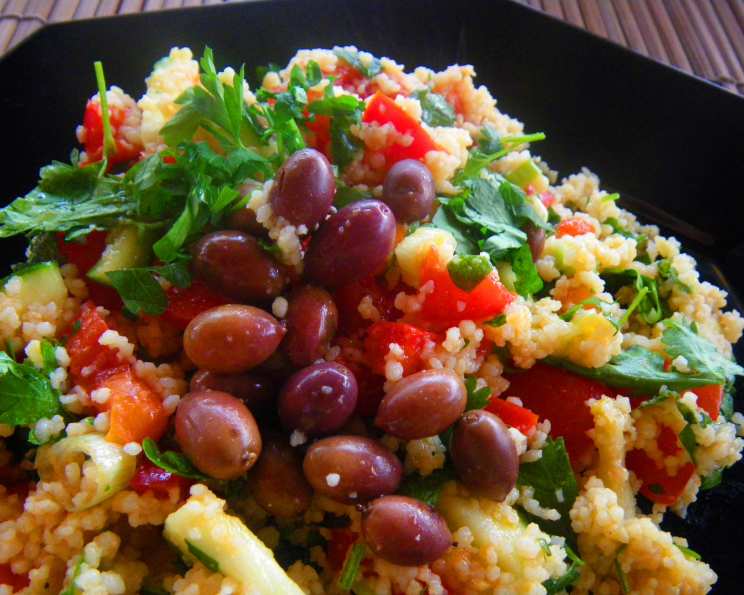
No-Cook Tabbouleh: A Burst of Freshness in Every Bite
The first time I tasted tabbouleh, I was wandering through a bustling Lebanese market. The air was thick with the scent of spices, freshly baked bread, and the vibrant energy of the vendors. Amidst the sensory overload, a simple bowl of tabbouleh stood out – a verdant mix of herbs, tomatoes, and bulgur, glistening with olive oil and lemon juice. The cool, tangy flavor was an instant revelation, a refreshing counterpoint to the heat of the day. Since then, I’ve experimented with countless variations, but this no-cook version is a true lifesaver, offering all the bright flavors of traditional tabbouleh with minimal effort.
Recipe Overview
- Prep Time: 20 minutes
- Cook Time: 34 minutes
- Total Time: 54 minutes
- Servings: 9 cups
- Yield: About 9 cups
- Dietary Type: Vegan
Ingredients
- 2 cups quick-cooking couscous (I used whole wheat)
- ½ cup olive oil
- ¾ cup lemon juice
- ½ cup cilantro, chopped (or substitute the more traditional parsley)
- ½ cup of fresh mint, chopped
- 3 large tomatoes, chopped
- 1 bell pepper, chopped (I used a mixture of orange and red)
- 1 medium onion, chopped
- Salt and pepper to taste
- Additional lemon juice to taste
Equipment Needed
- Large Mixing Bowl
- Measuring Cups and Spoons
- Chopping Board
- Knife
- Cling Wrap or Airtight Container
Instructions
- In a very large bowl, stir together the uncooked couscous, olive oil, and lemon juice. Ensure the couscous is fully coated with the oil and lemon juice.
- Let the mixture rest at room temperature. This allows the couscous to soften and “plump-en-up” to a texture similar to finely chopped nuts. This process should take approximately 34 minutes.
- Once the couscous has absorbed the liquid and softened, add the remaining ingredients: cilantro (or parsley), mint, tomatoes, bell pepper, and onion.
- Stir the ingredients well to ensure everything is evenly distributed. Season with salt and pepper to taste.
- Add more lemon juice to taste. Remember that the flavors will meld and intensify as the tabbouleh sits, so start with a little and adjust as needed.
- Cover the bowl tightly with cling wrap or transfer the tabbouleh to an airtight container. Refrigerate for at least 24 hours. This allows the flavors to fully develop and the ingredients to meld together.
Expert Tips & Tricks
- Couscous Choice: While the recipe calls for quick-cooking couscous, whole wheat couscous adds a nutty flavor and extra fiber. Regular couscous can be used but may require a slightly longer soaking time.
- Herb Power: Fresh herbs are essential for authentic tabbouleh flavor. If you’re using parsley instead of cilantro, be sure to use flat-leaf parsley, as it has a more robust flavor than curly parsley.
- Tomato Tip: Use ripe, but firm tomatoes for the best texture. Remove the seeds and excess liquid before chopping to prevent the tabbouleh from becoming soggy.
- Bell Pepper Prep: Dicing the bell pepper into small, uniform pieces ensures even distribution and a pleasant texture in every bite.
- Lemon Juice: Don’t be shy with the lemon juice! It’s what gives tabbouleh its signature tangy flavor. Taste and adjust the amount of lemon juice to your preference.
- Make Ahead: Tabbouleh is a perfect make-ahead dish! In fact, it tastes even better after it has had time to sit and the flavors have melded.
- Flavor Boost: For an extra layer of flavor, consider adding a pinch of sumac, a tangy Middle Eastern spice.
Serving & Storage Suggestions
Serve this no-cook tabbouleh chilled as a refreshing side dish, a light lunch, or as part of a mezze platter. It’s also fantastic served with grilled meats or fish, or used as a vibrant topping for sandwiches and tacos, just as I do.
Leftovers can be stored in an airtight container in the refrigerator for up to 3-4 days. The flavors will continue to develop, so it may taste even better the next day! Due to the fresh vegetables, it is not recommended to freeze tabbouleh.
Nutritional Information
| Nutrient | Amount per Serving | % Daily Value |
|---|---|---|
| Calories | 276 kcal | 14% |
| Total Fat | 12.5g | 16% |
| Saturated Fat | 1.8g | 9% |
| Cholesterol | 0mg | 0% |
| Sodium | 10.1mg | 0% |
| Total Carbohydrate | 35.7g | 13% |
| Dietary Fiber | 3.5g | 14% |
| Sugars | 3g | 6% |
| Protein | 5.9g | 12% |
Variations & Substitutions
- Gluten-Free: Substitute the couscous with quinoa for a gluten-free version.
- Grain-Free: Use finely chopped cauliflower rice as a base. You may need to adjust the amount of lemon juice and olive oil to prevent it from drying out.
- Spice It Up: Add a pinch of red pepper flakes for a touch of heat.
- Add Some Crunch: Include finely chopped cucumber or celery for added crunch.
- Different Herbs: Experiment with different herbs such as dill or chives.
FAQs (Frequently Asked Questions)
Q: Can I use bulgur instead of couscous?
A: While traditional tabbouleh uses bulgur, couscous is a great substitute in this no-cook version because it softens quickly in the lemon juice and olive oil. If you want to use bulgur, you may need to soak it in hot water for a longer period to soften it adequately before adding the other ingredients.
Q: Can I use dried herbs instead of fresh?
A: Fresh herbs are highly recommended for the best flavor, but if you must use dried, reduce the amount significantly (about 1 teaspoon of dried herb for every tablespoon of fresh).
Q: How long will this tabbouleh last in the fridge?
A: It will last for about 3-4 days in the refrigerator, stored in an airtight container. The flavors actually improve as it sits!
Q: Can I freeze tabbouleh?
A: Freezing is not recommended, as the fresh vegetables will become mushy when thawed. It’s best enjoyed fresh.
Q: Is it necessary to refrigerate for 24 hours?
A: While it’s ideal to refrigerate for 24 hours to allow the flavors to fully meld, you can enjoy it after a shorter period (at least a few hours) if you’re short on time.
Final Thoughts
This no-cook tabbouleh is more than just a recipe; it’s an invitation to embrace fresh, vibrant flavors with ease. It’s a testament to how simple ingredients, when combined thoughtfully, can create a dish that’s both delicious and nourishing. Whether you’re looking for a light lunch, a flavorful side dish, or a topping to elevate your favorite meals, this tabbouleh is sure to become a staple in your kitchen. I encourage you to give it a try, experiment with variations, and share your feedback. Pair it with grilled halloumi cheese and warm pita bread for a complete and satisfying Mediterranean-inspired meal. Enjoy!