
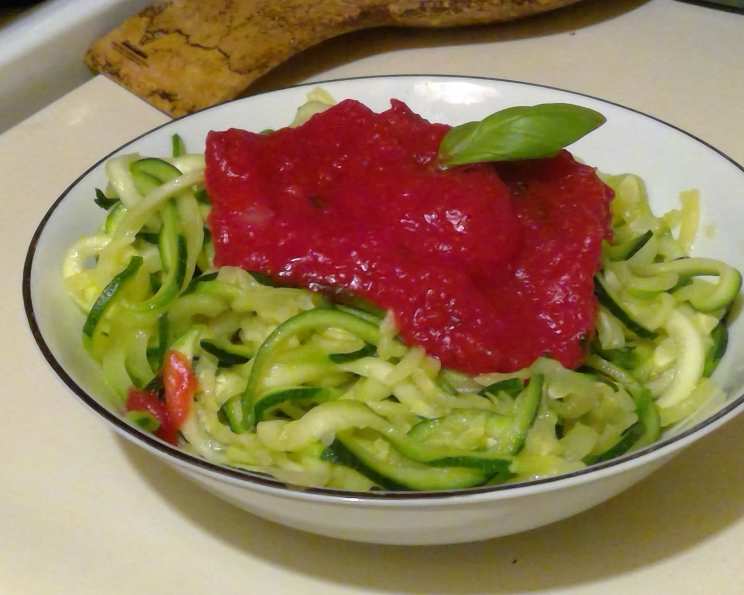
Nomato Sauce: An Instant Pot AIP Paleo Delight
The scent of simmering tomato sauce always takes me back to my grandmother’s kitchen, a place overflowing with warmth and the promise of a comforting meal. But what if you can’t enjoy tomatoes? Or follow an Autoimmune Protocol (AIP) diet? That familiar, comforting flavor seemed lost to me until I discovered the magic of “Nomato” sauce. The first time I tasted it, I was astounded. It wasn’t exactly tomato sauce, but it captured that same depth, richness, and subtle sweetness, all while being entirely AIP-friendly. It was a revelation, a reminder that dietary restrictions don’t have to mean sacrificing flavor.
Recipe Overview
- Prep Time: 20 minutes
- Cook Time: 25 minutes
- Total Time: 45 minutes
- Servings: 6 cups
- Yield: 6 cups
- Dietary Type: AIP, Paleo, Vegan (with vegetable broth)
Ingredients
- 1 medium butternut squash, cut into chunks
- 2 small beets, peeled and quartered
- 1 cup water
- 1 medium onion
- 4 garlic cloves, pressed
- 1-2 tablespoons olive oil
- 1-2 teaspoons dried basil
- 1-2 teaspoons dried oregano
- ¼ teaspoon dried rosemary
- ¼ teaspoon dried thyme
- ½ bay leaf
- 1 ½ – 2 cups bone broth (or stock)
- 2 tablespoons apple cider vinegar
- 1 ½ teaspoons honey
- 2-3 teaspoons sea salt (to taste)
- ¼ teaspoon black pepper (optional)
Equipment Needed
- Instant Pot (multifunction pressure cooker)
- Vegetable peeler
- Food processor
- Small bowl
- Measuring spoons and cups
Instructions
-
Begin by preparing the butternut squash. Using a vegetable peeler, remove the hard outer peel. Then, carefully seed and cut the squash into 1 ½ to 2-inch chunks. Consistent sizing helps ensure even cooking.
-
Next, prepare the beets. Peel them and cut into quarters.
-
Pour 1 cup of water into the inner pot of your Instant Pot (IP). Add the prepared butternut squash and beets.
-
Secure the lid of the Instant Pot, ensuring the vent knob is turned to the “Sealing” position. Select the “Manual” setting (or Pressure Cook) and set the cooking time for 15 minutes at High Pressure.
-
While the vegetables are cooking, prepare the onion and garlic. Using a food processor, chop the onion. Remove the chopped onion and set it aside. Clean and wipe out the work bowl of the food processor.
-
Press or mince the garlic cloves and set aside.
-
In a small bowl, measure out the dried basil, oregano, rosemary, and thyme. Gently crush the herbs between your fingertips to release their aromatic oils. Add the bay leaf to the bowl.
-
Once the Instant Pot cycle is complete, the display will read “L0:00”. Press “Cancel”. At this point, you have two options: you can perform a Quick Release of the pressure by carefully turning the vent knob to the “Venting” position (be mindful of the escaping steam), or you can allow the pressure to Natural Release. Natural Release will take longer, but it can result in slightly more tender vegetables.
-
Carefully remove the cooked butternut squash and beet chunks from the Instant Pot. Drain any remaining liquid. Transfer the cooked vegetables to the prepared food processor.
-
Pulse the vegetables a few times to break them down, then process continuously until they form a fairly smooth puree. You may need to scrape down the sides of the bowl a few times to ensure even processing.
-
Clean and dry the Instant Pot’s silver inner pot. Replace it in the Instant Pot. Select the “Sauté” function and wait until the display reads “Hot”.
-
Add the olive oil to the hot inner pot. When the oil is hot, add the chopped onions and sauté for 3 to 4 minutes, stirring occasionally, until the onions become translucent and softened.
-
Add the pressed garlic to the onions and stir for another minute, until fragrant. Press “Cancel” to turn off the “Sauté” function. This is crucial to avoid burning the garlic.
-
Add the bone broth (or stock) and the butternut squash and beet puree to the inner pot of the Instant Pot. Stir well to combine all the ingredients.
-
Add the measured herbs (basil, oregano, rosemary, thyme, and bay leaf), apple cider vinegar, and honey to the mixture. Season with sea salt and black pepper (omit black pepper if following the AIP diet). Stir thoroughly to combine.
-
Select the “Sauté” function again, then press “Adjust” to change the setting to “Low”. Continue to stir the sauce as it comes to a gentle simmer.
-
Taste and correct the seasonings. Add more vinegar for tanginess, honey for sweetness, or salt to enhance the overall flavor. If you prefer a thinner consistency, add more broth. Let the sauce simmer on low for 5 to 10 minutes, stirring occasionally, to allow the flavors to meld and deepen.
-
Press “Cancel” to turn off the “Sauté” function. The Nomato sauce is now ready to enjoy!
-
You can serve it as a substitute for tomato sauce in your favorite dishes or enjoy it as a warm, comforting puree soup.
-
For convenient storage, freeze any extra sauce in ½-cup portions. I use extra-large silicone ice cube trays to freeze sauces and broths. Once frozen solid, transfer the cubes to a Ziploc freezer storage bag. This way, you can easily thaw only the amount you need.
Expert Tips & Tricks
- For an even smoother sauce, you can use an immersion blender directly in the Instant Pot after cooking and pureeing the vegetables. Be careful not to scratch the inner pot.
- Roasting the butternut squash and beets before pressure cooking can intensify their sweetness and add a deeper flavor dimension to the sauce.
- If you don’t have bone broth on hand, vegetable broth works perfectly well, especially for a vegan version.
- Don’t be afraid to experiment with other herbs and spices. A pinch of smoked paprika can add a smoky note reminiscent of traditional tomato sauce.
Serving & Storage Suggestions
This Nomato sauce can be used in any recipe that calls for tomato sauce. Try it on zucchini noodles, baked chicken, or as a base for a hearty stew. Store leftover sauce in an airtight container in the refrigerator for up to 5 days. For longer storage, freeze in portions as described above. To reheat, simply thaw the sauce in the refrigerator overnight or microwave until heated through.
Nutritional Information
| Nutrient | Amount per Serving | % Daily Value |
|---|---|---|
| Calories | 125 kcal | 6% |
| Total Fat | 4g | 5% |
| Saturated Fat | 0.5g | 3% |
| Cholesterol | 0mg | 0% |
| Sodium | 650mg | 28% |
| Total Carbohydrate | 22g | 8% |
| Dietary Fiber | 4g | 14% |
| Sugars | 6g | – |
| Protein | 2g | 4% |
Note: Nutritional information is an estimate and may vary based on specific ingredients and portion sizes.
Variations & Substitutions
- For a sweeter sauce, add a small amount of pure maple syrup instead of honey.
- If you don’t have apple cider vinegar, white wine vinegar or balsamic vinegar can be used as a substitute, but be mindful of the flavor differences.
- Add other vegetables like carrots or sweet potatoes for a slightly different flavor profile.
- For a richer sauce, add a tablespoon of tomato paste (if you’re not strictly AIP) to deepen the color and flavor.
FAQs (Frequently Asked Questions)
Q: Can I make this sauce without an Instant Pot?
A: Yes, you can simmer the vegetables on the stovetop until they are tender, then proceed with the recipe as directed. It will take longer, about 30-40 minutes.
Q: Is it necessary to peel the butternut squash and beets?
A: Yes, peeling the butternut squash is recommended as the skin can be tough. Peeling the beets helps with the overall texture and flavor of the sauce.
Q: How can I make this sauce thinner?
A: Simply add more bone broth (or stock) until you reach your desired consistency.
Q: Can I use fresh herbs instead of dried?
A: Yes, if using fresh herbs, use about 1 tablespoon of each herb (basil, oregano, rosemary, thyme) instead of 1-2 teaspoons of the dried versions. Add them towards the end of the cooking process to preserve their flavor.
Q: How long does this sauce last in the freezer?
A: Properly stored in freezer bags or airtight containers, Nomato sauce can last in the freezer for up to 3 months.
Final Thoughts
This Nomato sauce is more than just a tomato sauce substitute; it’s a celebration of flavors in its own right. It’s a testament to the fact that even with dietary restrictions, you can still enjoy delicious, comforting, and satisfying meals. So, give this recipe a try, experiment with your favorite herbs and spices, and let me know what you think! It’s a wonderful way to nourish your body and soul. Pair it with grilled chicken and steamed green beans for a well-rounded AIP-friendly meal!