
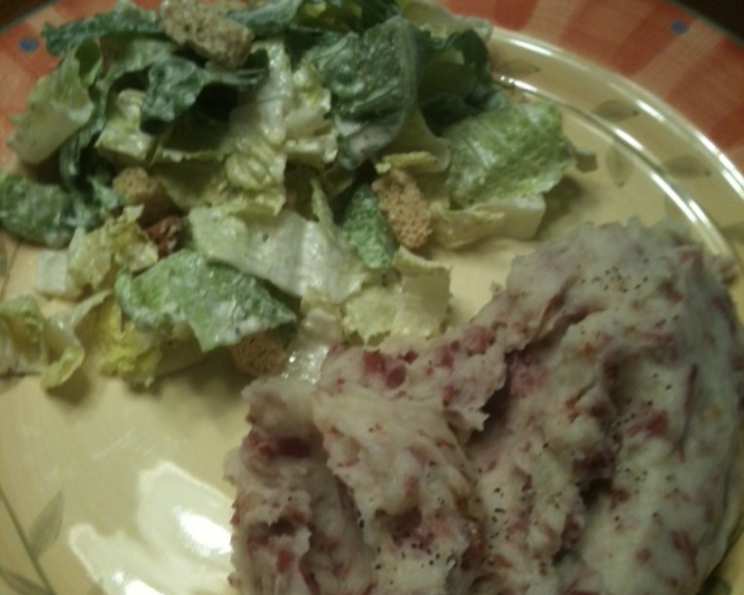
Norwegian Labscouse: A Hearty Family Tradition
The aroma always hits me first – that comforting blend of savory beef, sweet onion, and earthy potatoes, all simmered together in a symphony of simple goodness. Labscouse, or Lapskaus as some prefer, wasn’t just a meal in our home; it was a hug from Grandma, a reminder of our Norwegian heritage, and a dish that brought generations together around a steaming pot, ready to share stories and laughter. It’s a dish built on feeling, adjusted to taste, and imbued with love – a perfect reflection of family. Now, it’s time to make your own family tradition.
Recipe Overview
- Prep Time: 30 minutes
- Cook Time: 1 hour
- Total Time: 1 hour 30 minutes
- Servings: 6
- Yield: Approximately 8 cups
- Dietary Type: Varies (Can be Dairy-Free)
Ingredients
- 3 lbs corned beef
- 3 lbs potatoes
- 1 large onion, chopped
- 2 garlic cloves, peeled and left whole
- 1 teaspoon salt (or to taste)
- ½ teaspoon pepper (or to taste)
- ¼ cup butter (or to taste; can substitute with oil or vegan butter)
- 1 cup milk (or to desired consistency; can substitute with plant-based milk or reserved pot liquor)
Equipment Needed
- Large stockpot or Dutch oven
- Large bowl
- Potato masher (or food processor, optional)
- Measuring cups and spoons
- Knife
- Cutting board
- Colander
Instructions
- Begin by preparing the corned beef. If it’s heavily seasoned, wash off any excess seasoning under cold water. If the corned beef has juices, reserve them. Place the corned beef in a large stockpot or Dutch oven. If you have reserved juices, add them to the pot. Add enough water to cover the beef completely.
- Add the chopped onion and whole garlic cloves to the pot.
- Bring the water to a low boil. It’s crucial to maintain a low boil, as a high boil can result in a tough roast.
- Add salt and pepper to the boiling water.
- Cook the beef for approximately 20 minutes per pound, or until it’s about halfway cooked. For a 3-pound roast, this will be about 1 hour.
- Carefully remove the beef from the pot and place it on a cutting board to cool slightly.
- Once the beef is cool enough to handle, cut off all visible fat and discard it.
- Dice the beef into small, tiny pieces. Alternatively, you can use a food processor to chop it further into smaller pieces. Be careful not to over-process; you still want some texture.
- Return the diced beef to the pot with the cooking liquid, onion, and garlic.
- Wash, peel, and dice the potatoes into roughly 1-inch pieces.
- Add the diced potatoes to the pot with the beef and bring the mixture back to a low boil.
- Continue to cook until the potatoes are tender and easily pierced with a fork. Be careful not to overcook them, as they will become mushy.
- Once the potatoes are cooked, carefully drain the pot over a large bowl to reserve the cooking liquid (pot liquor). Set the pot liquor aside.
- In another large bowl, combine the cooked potatoes and beef.
- Mash the potatoes and beef together using a potato masher. For a smoother texture, you can use a food processor, but be cautious not to over-process.
- Add butter and milk to the mixture, mashing until you reach your desired consistency. Taste and adjust the seasoning with additional salt and pepper as needed.
- If the mixture is too thick, add some of the reserved “pot liquor” instead of more milk to adjust the consistency and enhance the flavor.
Expert Tips & Tricks
- Flavor Boost: Browning the corned beef in a pan before boiling it adds a depth of flavor to the dish.
- Spice It Up: Don’t be afraid to experiment with other spices like caraway seeds or a bay leaf during the boiling process for added complexity.
- Vegetable Variety: Feel free to incorporate other root vegetables like carrots, turnips, or parsnips for a more robust flavor profile. Add these with the potatoes, adjusting the cooking time as needed.
- Make-Ahead Prep: The corned beef can be cooked a day in advance, diced, and stored in the refrigerator. This saves time on the day of cooking.
- Pot Liquor Power: Don’t discard the pot liquor! It’s packed with flavor and adds richness to the dish. Use it to adjust the consistency instead of milk for a deeper, more savory flavor.
- Troubleshooting Tough Beef: If your corned beef is tough, ensure you’re maintaining a low boil throughout the cooking process. Cooking at a high boil toughens the meat. Braising it longer at a lower temperature will yield a more tender result.
Serving & Storage Suggestions
Serve the Norwegian Labscouse hot, directly from the pot, for a comforting and satisfying meal. A dollop of sour cream or a sprinkle of fresh parsley can add a touch of freshness. Leftovers can be stored in an airtight container in the refrigerator for up to 3-4 days. For longer storage, freeze in individual portions for up to 2-3 months. To reheat, thaw in the refrigerator overnight and gently warm on the stovetop over low heat, adding a splash of milk or pot liquor if needed. You can also reheat it in the microwave, stirring occasionally to ensure even heating.
Nutritional Information
| Nutrient | Amount per Serving | % Daily Value |
|---|---|---|
| Calories | 650 kcal | 33% |
| Total Fat | 40g | 62% |
| Saturated Fat | 18g | 90% |
| Cholesterol | 200mg | 67% |
| Sodium | 2000mg | 83% |
| Total Carbohydrate | 35g | 12% |
| Dietary Fiber | 5g | 20% |
| Sugars | 3g | N/A |
| Protein | 40g | 80% |
Note: Nutritional information is an estimate and may vary based on specific ingredients and portion sizes.
Variations & Substitutions
- Dairy-Free: Use plant-based milk (almond, soy, or oat milk) and a dairy-free butter alternative.
- Vegetarian/Vegan: Substitute the corned beef with a hearty vegetable protein like seitan or a mix of root vegetables and lentils. Add a teaspoon of smoked paprika for a meaty flavor.
- Spicy Kick: Add a pinch of red pepper flakes or a dash of your favorite hot sauce for a bit of heat.
- Regional Variations: In some regions, Labscouse includes barley or other grains. Consider adding ½ cup of cooked barley to the pot during the last 30 minutes of cooking for a heartier texture.
- Herb Infusion: Add fresh herbs like thyme or rosemary to the pot during the boiling process for an aromatic twist.
FAQs (Frequently Asked Questions)
Q: Can I use a different cut of beef?
A: While corned beef is traditional, you can use other cuts of beef like brisket or chuck roast. Adjust the cooking time accordingly to ensure the beef is tender.
Q: How do I prevent the potatoes from becoming mushy?
A: Be careful not to overcook the potatoes. Cook them until they are just tender when pierced with a fork. Also, choose potato varieties that hold their shape well during boiling, such as Yukon Gold or red potatoes.
Q: Can I make this in a slow cooker?
A: Yes! Place all ingredients in a slow cooker, cover with water, and cook on low for 6-8 hours or on high for 3-4 hours, or until the beef is tender. Shred the beef before mashing the potatoes.
Q: Can I freeze leftovers?
A: Yes, Labscouse freezes well. Allow it to cool completely, then transfer it to freezer-safe containers. Thaw overnight in the refrigerator before reheating.
Q: What can I serve with Labscouse?
A: Labscouse is a hearty meal on its own, but it pairs well with crusty bread, pickled beets, or a simple side salad.
Final Thoughts
Norwegian Labscouse is more than just a recipe; it’s a celebration of simplicity, family, and heritage. I encourage you to try this recipe, adapt it to your own tastes, and create a dish that your family will cherish for generations. Don’t be afraid to experiment with seasonings and ingredients – this is a dish that welcomes creativity. Share your experiences and variations; I’d love to hear how you’ve made this classic dish your own!