
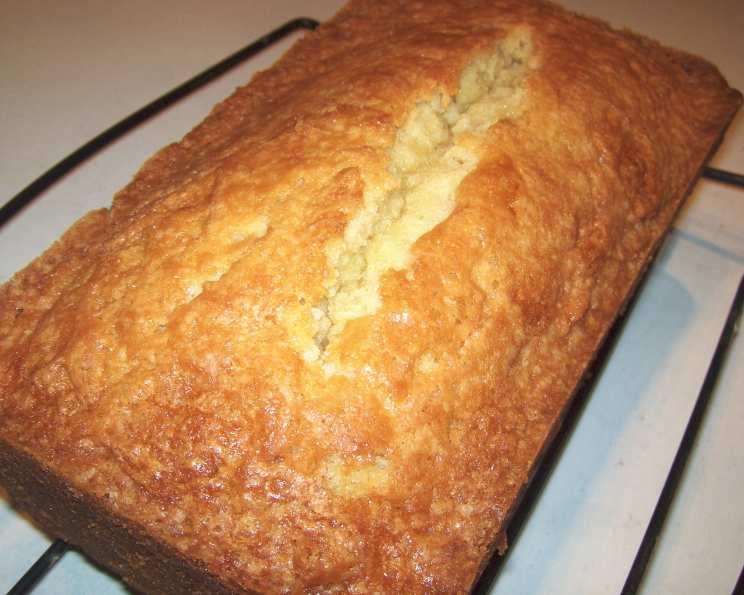
Old Fashioned Pound Cake 1972: A Slice of Sweet Nostalgia
I can almost smell it now: the warm, buttery aroma that would waft through Grandma’s kitchen every Sunday afternoon. The source? Her legendary pound cake, always sitting proudly on a floral china plate, begging to be sliced and devoured. It wasn’t fancy, not slathered in frosting or brimming with exotic flavors. It was simply perfect – dense, moist, and subtly sweet, a golden beacon of comfort and home. This recipe, scribbled on a now-faded index card, is the key to unlocking those cherished memories.
Recipe Overview
- Prep Time: 20 minutes
- Cook Time: 50-60 minutes
- Total Time: 1 hour 10 minutes – 1 hour 20 minutes
- Servings: 10
- Yield: 1 (10 x 6 inch) loaf cake
- Dietary Type: Not Gluten-Free, Not Dairy-Free
Ingredients
- 1 2⁄3 cups white sugar
- 1 cup soft butter
- 2 cups cake flour (or 1 3/4 cups all-purpose flour, sifted then measured)
- 1⁄2 teaspoon salt
- 1⁄4 teaspoon ground mace
- 5 whole eggs
- 1 teaspoon vanilla
Equipment Needed
- 10 x 6 inch Loaf Pan
- Mixing Bowls
- Electric Mixer (handheld or stand mixer)
- Sifter
- Measuring Cups and Spoons
- Rubber Spatula
- Toothpick or Cake Tester
Instructions
- Preheat your oven to 325 degrees Fahrenheit. It’s crucial to ensure your oven temperature is accurate for even baking.
- Grease a 10 x 6 inch loaf pan thoroughly with butter or cooking spray. For easier removal, you can also line the pan with parchment paper, leaving an overhang to act as handles. This is especially helpful if your loaf pan isn’t non-stick.
- In a large mixing bowl, cream together the soft butter and white sugar using an electric mixer. Beat on medium speed until the mixture is light, fluffy, and the sugar granules are completely dissolved. This step is vital for achieving the right texture. Continue beating until you can no longer feel the sugar granules between your fingertips. This can take several minutes, so be patient.
- If using all-purpose flour, sift it before measuring. This helps to lighten the flour and remove any lumps, resulting in a more tender cake. Measure out either 2 cups of cake flour or 1 3/4 cups of the sifted all-purpose flour.
- In a separate bowl, combine the measured flour, salt, and ground mace. Sift these dry ingredients together once more. This ensures that the salt and mace are evenly distributed throughout the flour.
- Begin adding the eggs to the creamed butter and sugar mixture one at a time, alternating with the flour mixture. Start and end with the flour. For example, add 1/3 of the flour mixture, then one egg, then 1/3 flour, then another egg, and so on. This helps to prevent the batter from curdling.
- Beat the batter until it is light and fluffy. Be careful not to overmix, as this can develop the gluten in the flour and result in a tough cake.
- Add the vanilla extract and beat until just combined.
- Pour the batter into the prepared greased loaf pan. Spread the batter evenly to ensure even baking.
- Bake in the preheated oven for 50 to 60 minutes.
- Test for doneness by inserting a toothpick or cake tester into the center of the cake. If it comes out clean or with just a few moist crumbs attached, the cake is done. If it comes out with wet batter, continue baking for a few more minutes and test again.
- Once baked, remove the cake from the oven and let it cool in the pan for 10-15 minutes before inverting it onto a wire rack to cool completely.
Expert Tips & Tricks
- Room Temperature Ingredients: Ensure that your butter and eggs are at room temperature. This helps them emulsify properly, resulting in a smoother batter and a more tender cake.
- Don’t Overmix: Overmixing can develop the gluten in the flour, leading to a tough cake. Mix until just combined after adding the flour.
- Accurate Measuring: Use measuring cups and spoons specifically designed for baking. Spoon the flour into the measuring cup and level it off with a knife for accurate measurement.
- Oven Thermometer: Consider using an oven thermometer to ensure your oven is accurately calibrated. Oven temperatures can vary, and this can affect baking times.
- Preventing a Dome: To prevent the cake from doming too much during baking, you can create a foil tent over the loaf pan during the last 15-20 minutes of baking.
Serving & Storage Suggestions
This old-fashioned pound cake is delicious served as is, or you can dress it up with a dusting of powdered sugar, a simple glaze, or fresh berries and whipped cream. It pairs perfectly with a cup of coffee or tea.
To store leftovers, wrap the cake tightly in plastic wrap or place it in an airtight container. It will keep at room temperature for 2-3 days, in the refrigerator for up to a week, or in the freezer for up to 2 months. To reheat, simply slice and warm it gently in the microwave or oven. Frozen cake should be thawed completely before serving.
Nutritional Information
| Nutrient | Amount per Serving | % Daily Value |
|---|---|---|
| Calories | 425 kcal | N/A |
| Total Fat | 21g | 32% |
| Saturated Fat | 12g | 61% |
| Cholesterol | 142mg | 47% |
| Sodium | 278mg | 11% |
| Total Carbohydrate | 55g | 18% |
| Dietary Fiber | 1g | 1% |
| Sugars | 34g | N/A |
| Protein | 5g | 10% |
Note: Nutritional information is an estimate and may vary based on specific ingredients and portion sizes.
Variations & Substitutions
- Lemon Pound Cake: Add the zest of one lemon to the batter for a bright, citrusy flavor. You can also add a tablespoon of lemon juice.
- Chocolate Chip Pound Cake: Fold in 1 cup of chocolate chips (milk, dark, or white) to the batter before pouring it into the loaf pan.
- Nut Pound Cake: Add 1 cup of chopped nuts (walnuts, pecans, or almonds) to the batter.
- Gluten-Free Pound Cake: Substitute the cake flour with a gluten-free flour blend designed for baking. You may need to experiment with the amount of liquid to achieve the right consistency.
- Dairy-Free Pound Cake: Substitute the butter with a plant-based butter alternative.
FAQs (Frequently Asked Questions)
Q: Why is my pound cake dry?
A: Overbaking is the most common cause of a dry pound cake. Be sure to check for doneness with a toothpick or cake tester, and remove the cake from the oven as soon as it’s ready. Also, ensure you’re not overmeasuring the flour.
Q: Can I use salted butter instead of unsalted?
A: Yes, you can use salted butter, but reduce the amount of salt added to the recipe to 1/4 teaspoon.
Q: How do I prevent my pound cake from sticking to the pan?
A: Grease the loaf pan thoroughly with butter or cooking spray, and consider lining it with parchment paper for extra insurance.
Q: What does mace add to the flavor?
A: Mace provides a warm, slightly spicy flavor that complements the sweetness of the cake. If you don’t have mace, you can substitute it with a pinch of nutmeg.
Q: Can I freeze the pound cake?
A: Yes, pound cake freezes well. Wrap it tightly in plastic wrap and then in foil or place it in a freezer-safe container. It can be frozen for up to 2 months. Thaw completely before serving.
Final Thoughts
This Old Fashioned Pound Cake recipe is more than just a list of ingredients and instructions; it’s a connection to the past, a taste of home, and a way to share a little sweetness with those you love. I encourage you to try this recipe, personalize it with your own variations, and create memories that will last for generations to come. Let the aroma of buttery goodness fill your kitchen and your heart. And if you happen to make it, I’d love to hear about your experience and any twists you added – happy baking!