
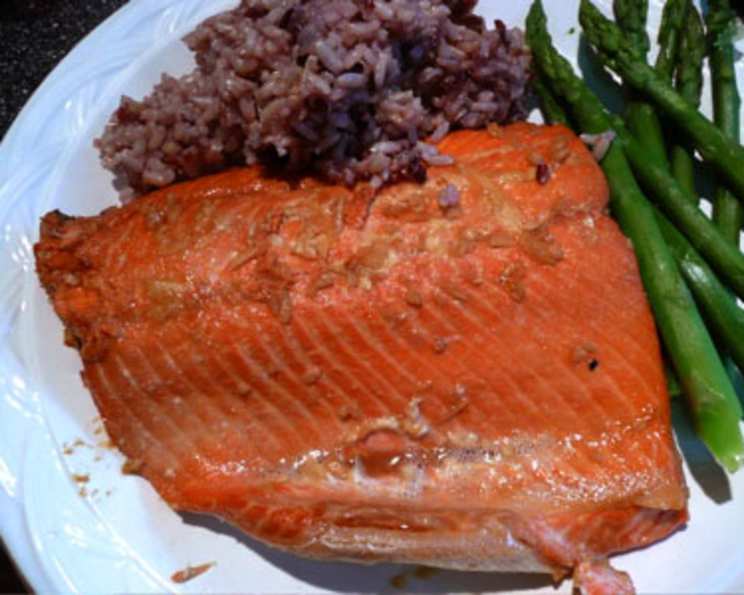
Orange Teriyaki Salmon: A Symphony of Sweet and Savory
The memory still makes my mouth water. I was a young culinary student, intimidated by the vast world of seafood, when I first encountered Orange Teriyaki Salmon. My mentor, a no-nonsense French chef with a surprisingly soft spot for Asian cuisine, guided me through the simple yet elegant process. The vibrant orange glaze, the flaky texture of the salmon, and that incredible sweet-savory balance – it was a revelation. That single dish sparked a lifelong passion for exploring fusion flavors and mastering the art of seafood cookery. And today, I’m thrilled to share my rendition of this personal favorite.
Recipe Overview
- Prep Time: 5 minutes
- Cook Time: 15 minutes
- Total Time: 20 minutes
- Servings: 4
- Dietary Type: Pescatarian, Gluten-Free (if using gluten-free soy sauce)
Ingredients
- 3 tablespoons orange juice
- 2 tablespoons low sodium soy sauce
- 1 tablespoon rice vinegar
- 1 tablespoon honey
- 2 teaspoons grated fresh ginger
- 1 teaspoon minced garlic
- 4 (6 ounce) salmon fillets (1-inch thick)
Equipment Needed
- 8-inch square baking dish
- Whisk
- Oven
Instructions
-
Preheat your oven to 450°F (232°C). Ensuring your oven is properly preheated is crucial for even cooking and a beautifully glazed salmon.
-
In an 8-inch square baking dish, combine the orange juice, low sodium soy sauce, rice vinegar, honey, grated fresh ginger, and minced garlic. Use a whisk to thoroughly combine all the ingredients, creating a smooth and emulsified teriyaki sauce. The honey might take a bit of whisking to fully incorporate; don’t rush this step.
-
Place the salmon fillets in the baking dish, arranging them so they aren’t overcrowded. Spoon the teriyaki sauce generously over each fillet, ensuring they are well coated. This basting action helps the salmon retain moisture and intensifies the flavorful glaze as it bakes.
-
Bake at 450°F (232°C) for 15 minutes, or until the salmon flakes easily with a fork. During baking, occasionally baste the salmon with the sauce in the dish. This repeated basting creates a beautiful, glossy glaze. To test for doneness, gently insert a fork into the thickest part of a fillet and twist slightly. If the salmon separates easily into flakes, it’s ready. Be careful not to overcook, as salmon can become dry and less flavorful.
Expert Tips & Tricks
- For an even deeper flavor, consider marinating the salmon in the teriyaki sauce for 30 minutes in the refrigerator before baking. This allows the salmon to absorb more of the flavors.
- If you prefer a thicker glaze, you can simmer the sauce in a small saucepan over medium heat for a few minutes before pouring it over the salmon. This will reduce the sauce and concentrate its flavors.
- To prevent the salmon from sticking to the baking dish, you can lightly grease the dish with cooking spray or line it with parchment paper.
- If the tops of the salmon fillets are browning too quickly during baking, loosely tent the baking dish with aluminum foil.
- Don’t discard the remaining sauce in the baking dish after the salmon is cooked. It’s packed with flavor and can be drizzled over the salmon or served as a dipping sauce.
- For extra flavor, add a pinch of red pepper flakes to the marinade for a touch of heat or a splash of sesame oil for a nutty undertone.
Serving & Storage Suggestions
Serve the Orange Teriyaki Salmon immediately after baking for the best flavor and texture. It pairs beautifully with steamed rice, quinoa, or couscous. Add a side of steamed broccoli, asparagus, or a fresh green salad for a complete and balanced meal.
To store leftovers, allow the salmon to cool completely before transferring it to an airtight container. Store in the refrigerator for up to 3 days. Reheat gently in a microwave or oven until heated through. Be careful not to overheat, as this can dry out the salmon. While safe to eat, the texture and flavor will be best within the first two days. Freezing cooked salmon is not generally recommended, as it can significantly alter the texture.
Nutritional Information
| Nutrient | Amount per Serving | % Daily Value |
|---|---|---|
| Calories | 222.8 kcal | N/A |
| Calories from Fat | 52 g | 24% |
| Total Fat | 5.8 g | 9% |
| Saturated Fat | 0.9 g | 4% |
| Cholesterol | 87.5 mg | 29% |
| Sodium | 413.3 mg | 17% |
| Total Carbohydrate | 6.7 g | 2% |
| Dietary Fiber | 0.1 g | 0% |
| Sugars | 5.4 g | 21% |
| Protein | 34.2 g | 68% |
Variations & Substitutions
- Gluten-Free: Ensure the soy sauce is a gluten-free variety. Tamari is a readily available and delicious substitute.
- Spice it Up: Add a pinch of red pepper flakes or a dash of sriracha to the teriyaki sauce for a spicy kick.
- Citrus Twist: Experiment with different citrus juices. Lemon or lime juice can add a bright, tangy flavor.
- Sweetener Swap: Maple syrup can be used as a substitute for honey, adding a slightly different flavor profile.
- Vegetarian Option: While this recipe features salmon, the teriyaki sauce is also delicious with tofu or tempeh. Simply substitute the salmon with your preferred vegetarian protein and adjust the cooking time accordingly.
- Herbs: Add fresh herbs like chopped cilantro or green onions as a garnish for a pop of color and flavor.
FAQs (Frequently Asked Questions)
Q: Can I use frozen salmon for this recipe?
A: Yes, but be sure to thaw the salmon completely before cooking. Pat it dry with paper towels to remove excess moisture for better browning.
Q: How do I know when the salmon is cooked through?
A: The salmon is done when it flakes easily with a fork. The internal temperature should reach 145°F (63°C). Avoid overcooking for best results.
Q: Can I grill the salmon instead of baking it?
A: Absolutely! Preheat your grill to medium heat. Place the salmon fillets on a lightly oiled grill grate and cook for about 4-6 minutes per side, basting with the teriyaki sauce.
Q: What if I don’t have rice vinegar?
A: White wine vinegar or apple cider vinegar can be used as substitutes for rice vinegar in a pinch.
Q: Can I make the teriyaki sauce ahead of time?
A: Yes, the teriyaki sauce can be made up to 24 hours in advance and stored in the refrigerator. This allows the flavors to meld together even more.
Final Thoughts
Orange Teriyaki Salmon is more than just a recipe; it’s an invitation to experience the harmonious dance of flavors. This dish is surprisingly simple to prepare, making it perfect for a weeknight dinner, yet elegant enough to impress guests at a dinner party. I encourage you to try this recipe and make it your own by experimenting with different variations and substitutions. And please, don’t hesitate to share your creations and feedback with me. Pair it with a crisp Sauvignon Blanc or a light-bodied Pinot Noir for a truly unforgettable dining experience. Happy cooking!