
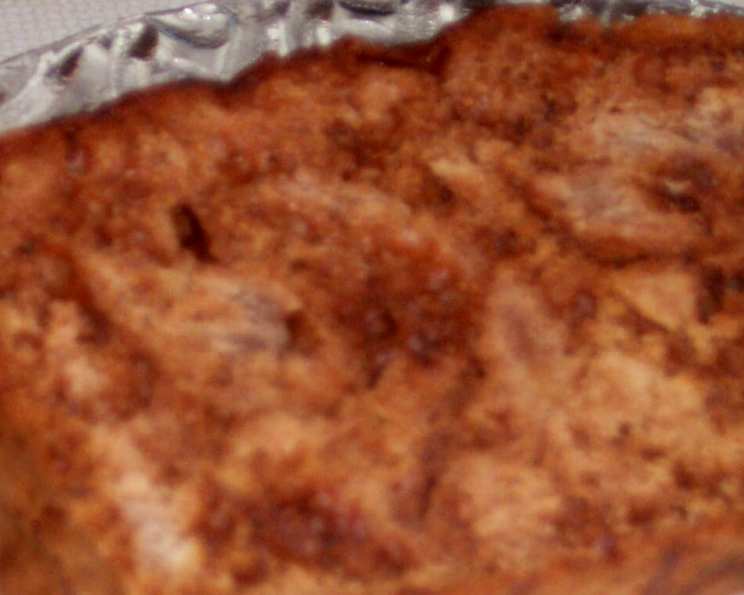
Pain D’épices: A Burgundian Journey in Spice
The memory is etched in my mind: a blustery autumn afternoon in Dijon, the scent of woodsmoke mingling with an intoxicating fragrance that pulled me through the narrow cobblestone streets. I followed my nose to a charming shop with a timeworn facade, Mulot et Petitjean, where the air hummed with the warmth of baking spices. That first bite of Pain d’épices, the deeply fragrant spice bread, transported me. It was a taste of history, a hug in bread form, a reminder of cozy hearths and the comforting rituals of baking. It was more than just food; it was a tangible connection to Burgundian heritage.
Recipe Overview
- Prep Time: 30 minutes (plus 8-12 hours refrigeration)
- Cook Time: 2 hours – 2 hours 15 minutes
- Total Time: 10 hours 30 minutes – 12 hours 45 minutes (including refrigeration)
- Servings: Approximately 16 slices
- Yield: Two medium loaves
- Dietary Type: Potentially Dairy-Free (check milk source), Vegetarian
Ingredients
- 1 1/2 cups milk (dairy or non-dairy alternative)
- 1 cup dark brown sugar
- 1 1/2 cups runny honey
- 4 cups flour (all-purpose)
- 2 tablespoons finely chopped candied orange peel
- 1 teaspoon ground aniseed
- 1 teaspoon ground cinnamon
- 1/2 teaspoon ground cloves
- 1/2 teaspoon salt
- 2 egg yolks
- 2 teaspoons baking soda
- 1 tablespoon water
Equipment Needed
- Saucepan
- Mixing bowl
- Wooden spoon
- Small bowl
- 2 medium loaf pans (approximately 20x8x8 cm or 8x3x3 inches)
- Grease-proof paper (optional, for lining pans)
- Oven
- Cooling rack
- Foil
Instructions
-
Preheat your oven to a low 250°F (120°C). This gentle heat is key to the bread’s characteristic soft texture.
-
In a saucepan, combine the milk, dark brown sugar, and honey. Stir constantly over medium heat until the sugar is completely dissolved.
-
Bring the mixture just to a gentle boil. Do not let it boil vigorously, as this can affect the final texture.
-
Remove the saucepan from the heat and set the honey mixture aside to cool until it is lukewarm, or tepid to the touch. This is important to avoid cooking the egg yolks later.
-
While the honey mixture is cooling, sift the flour into a large mixing bowl.
-
Create a well in the center of the sifted flour.
-
Pour three-quarters of the cooled honey mixture into the well.
-
Using a wooden spoon, gradually stir the honey mixture into the flour, drawing the flour in from the sides of the well to create a smooth batter. Be patient and work slowly to avoid lumps.
-
In a separate, small bowl, combine the finely chopped candied orange peel, ground aniseed, ground cinnamon, and ground cloves.
-
Stir in the remaining honey mixture to create a spice paste.
-
Add the spice paste to the flour batter and stir until everything is well combined and the batter is smooth.
-
Cover the bowl tightly with plastic wrap and refrigerate the batter for at least 8 hours, and up to 12 hours. This resting period allows the flavors to meld and deepen, and the gluten in the flour to relax, resulting in a more tender crumb.
-
Butter the two medium loaf pans thoroughly. For extra insurance against sticking, you can also line the pans with grease-proof paper, ensuring the paper extends slightly over the edges for easy removal. Then, butter the paper as well.
-
To complete the batter, in another small bowl, mix the egg yolks and baking soda with the water. This creates a reaction that helps leaven the bread.
-
Stir this egg yolk mixture into the chilled batter. The batter will become slightly foamy as the baking soda reacts.
-
Spoon the batter into the prepared loaf pans, filling them only halfway full. The batter will rise significantly during baking, so it’s important not to overfill the pans.
-
Cover the loaf pans loosely with aluminum foil. This will help prevent the tops from browning too quickly.
-
Bake in the preheated oven for 30 minutes with the foil on.
-
Remove the foil and continue baking for approximately 1 1/2 to 1 3/4 hours (90 to 105 minutes) longer, or until a wooden skewer inserted near the center of the bread comes out clean.
-
Check the bread’s doneness frequently during the last 30 minutes of baking. If the tops are browning too quickly, you can tent them loosely with foil again.
-
The spice bread should be slightly underbaked, so it remains soft and moist in the middle. It is done when a skewer inserted into the centre of the loaf comes out clean and has not started to shrink from the sides of the pan.
-
Let the breads cool in the pans for 10-15 minutes before turning them out onto a wire rack to cool completely.
Expert Tips & Tricks
- Spice it up (or down): Adjust the spices to your preference. For a bolder flavor, add a pinch of ground ginger or cardamom. For a milder spice bread, reduce the amount of cloves.
- Honey matters: Use a good quality, flavorful honey for the best results. Buckwheat honey will impart a particularly robust taste, while wildflower honey will be lighter and more floral.
- Candied citrus variations: Experiment with different candied citrus peels, such as lemon or grapefruit, for a unique twist.
- The long rest: Don’t skip the refrigeration period. This is crucial for developing the complex flavors of the Pain d’épices.
- Don’t overbake: The key to a perfect Pain d’épices is a moist, tender crumb. Avoid overbaking, which can result in a dry bread.
Serving & Storage Suggestions
Pain d’épices is incredibly versatile. Serve it thinly sliced with a smear of butter and a drizzle of honey for a simple yet satisfying breakfast or snack. It pairs beautifully with cheese, especially creamy Brie or sharp cheddar. It’s also a wonderful accompaniment to foie gras or pâté.
To store, wrap the cooled bread tightly in plastic wrap or place it in an airtight container. It will keep at room temperature for up to 3 days, or in the refrigerator for up to a week. For longer storage, freeze the bread for up to 2 months. Thaw completely before serving. You can also lightly toast frozen slices for a warm treat.
Nutritional Information
| Nutrient | Amount per Serving | % Daily Value |
|---|---|---|
| Calories | 284 kcal | N/A |
| Calories from Fat | N/A | N/A |
| Total Fat | 1.7 g | 2% |
| Saturated Fat | 0.8 g | 3% |
| Cholesterol | 26.8 mg | 8% |
| Sodium | 249.6 mg | 10% |
| Total Carbohydrate | 64.8 g | 21% |
| Dietary Fiber | 1 g | 4% |
| Sugars | 39.4 g | N/A |
| Protein | 4.4 g | 8% |
Note: Nutritional information is an estimate and may vary based on specific ingredients and portion sizes.
Variations & Substitutions
- Gluten-Free Pain d’épices: Substitute the all-purpose flour with a gluten-free blend. You may need to add a binder like xanthan gum to improve the texture.
- Vegan Pain d’épices: Replace the milk with a non-dairy alternative like almond, soy, or oat milk. Substitute the honey with maple syrup or agave nectar. Use a flax egg (1 tablespoon ground flaxseed mixed with 3 tablespoons water, let sit for 5 minutes) in place of the egg yolks.
- Citrus Boost: Add the zest of an orange or lemon to the batter for a brighter, more pronounced citrus flavor.
- Nutty addition: Incorporate chopped walnuts, pecans, or almonds into the batter for added texture and flavor.
- Boozy upgrade: Add a tablespoon or two of rum or brandy to the batter for a more intense flavor profile.
FAQs (Frequently Asked Questions)
Q: Why is the baking temperature so low?
A: The low temperature ensures that the Pain d’épices bakes evenly and retains its characteristic moist, tender crumb. A higher temperature would cause the outside to brown too quickly while the inside remains undercooked.
Q: Can I use a stand mixer instead of a wooden spoon?
A: Yes, you can use a stand mixer fitted with a paddle attachment. However, be careful not to overmix the batter, as this can develop the gluten in the flour and result in a tougher bread.
Q: My Pain d’épices sank in the middle. What did I do wrong?
A: This could be due to several factors, including overmixing the batter, not baking it long enough, or opening the oven door too frequently during baking. Ensure you follow the instructions carefully and check the bread’s doneness with a skewer.
Q: Can I make the batter ahead of time?
A: Yes, the batter can be made up to 24 hours in advance and stored in the refrigerator. In fact, allowing the batter to rest for a longer period can enhance the flavor of the Pain d’épices.
Q: How do I know when the Pain d’épices is done?
A: The best way to check for doneness is to insert a wooden skewer near the center of the bread. If the skewer comes out clean or with just a few moist crumbs attached, the bread is done. Remember, it should be slightly underbaked for optimal texture.
Final Thoughts
Making Pain d’épices is an act of patience and love. The aromas that fill your kitchen as it bakes are truly intoxicating, and the resulting bread is a testament to the magic of simple ingredients transformed by time and heat. I encourage you to try this recipe, adapt it to your own preferences, and share it with loved ones. Pair it with a cup of strong coffee or a glass of Vin Santo for a truly delightful experience. Don’t hesitate to leave a comment and let me know how your Pain d’épices turned out, and what variations you enjoyed!