
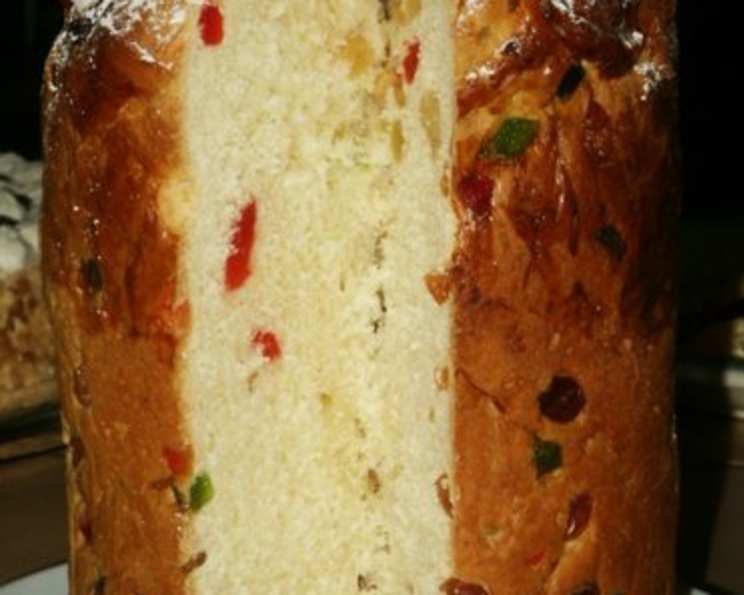
Panettone di Milano: A Taste of Holiday Tradition
The scent of baking panettone is, for me, inextricably linked to the holidays. I can still picture my grandmother in her bustling kitchen, the air thick with the sweet aroma of citrus and yeast. She’d hum softly as she kneaded the dough, her hands moving with a practiced grace that came from years of crafting this holiday centerpiece. The taste of that first, slightly warm slice, studded with candied orange and raisins, was pure magic – a taste of love and tradition I try to recreate every year.
Recipe Overview
- Prep Time: 3 hours (plus overnight resting)
- Cook Time: 65 minutes
- Total Time: 13 hours (including rising time)
- Servings: 1 large or 2 small panettones
- Yield: 1-2 loaves
- Dietary Type: Not suitable for vegan, gluten-free, or dairy-free diets
Ingredients
- 5 cups pastry flour
- 1 envelope yeast
- 2 teaspoons lukewarm water (for yeast)
- ½ – 1 cup lukewarm water (to add to flour in 2 additions)
- ¼ teaspoon salt
- ¾ cup butter, melted
- 4 egg yolks (at room temperature)
- 2 eggs (at room temperature)
- 1 cup sugar
- ½ cup lukewarm water (to add to eggs and sugar)
- ⅔ cup seedless raisins (golden raisins recommended)
- ½ cup orange rind, cut into small pieces (Can use ½ cup candied citron OR ¼ cup citron + ¼ cup orange peel instead)
- ½ tablespoon butter (*divided if making 2 loaves)
- Additional butter (for greasing)
- Parchment paper (to line baking sheets)
Equipment Needed
- Mixing bowls
- Pastry board or clean work surface
- Measuring cups and spoons
- Sharp knife
- Baking sheet
- Cooling rack
Instructions
This recipe requires patience and time, so it’s best started the day before you intend to bake. The multiple rises contribute to the unique texture of Panettone.
- Begin by sifting and measuring the flour.
- In a small bowl, blend the yeast with 2 teaspoons of lukewarm water. Let it stand for 5 minutes until frothy, indicating the yeast is active.
- Add the yeast mixture to ½ cup of the flour and mix well to form a paste.
- Shape the flour/yeast mixture into a small ball of dough.
- Place the dough ball in a bowl, cover, and let it rise in a warm place for 2 hours. The dough should approximately double in size.
- After the first rise, place 2 cups of pastry flour on a lightly floured pastry board or clean work surface. Make a well in the center and place the yeast dough ball inside. Gradually add enough lukewarm water (from the remaining ½ – 1 cup) to form a soft, pliable dough. Knead carefully until smooth.
- Cover the dough well and let it rise in a warm place for 3 hours.
- Place another 1 cup of pastry flour on the board. Add the risen yeast dough and enough lukewarm water to create another soft, pliable dough. Knead well.
- Let this dough rise in a warm place for 2 hours.
- Now, place the remaining 1 ½ cups of flour on the pastry board. Add the risen dough, salt, and melted butter. Knead everything together thoroughly until well combined.
- In a separate bowl, beat together the egg yolks, whole eggs, sugar, and ½ cup of lukewarm water until the mixture is frothy and light in color.
- Gradually add the egg mixture to the dough, a little at a time, kneading constantly until everything is fully absorbed. This step may take some time, but it’s important for a smooth and even texture.
- Add the raisins and orange rind (or citron/orange peel). Knead well to distribute the fruit evenly throughout the dough.
- Decide whether you want to make one large panettone or two smaller ones. If making two, divide the dough in half and shape each portion into a round loaf.
- Let the shaped dough rise in a warm place for 4 to 6 hours, depending on the temperature of your kitchen. The loaf (or loaves) should double in size and feel very soft to the touch.
- Preheat your oven to 400°F (200°C).
- Using a sharp knife, make a cross mark on the top of each loaf.
- Place each loaf on a baking sheet lined with buttered parchment paper.
- Bake in the preheated oven for 5 minutes.
- Remove the baking sheet from the oven quickly. Place ½ tablespoon of butter in the center of the cross mark on each loaf (if making two loaves, use ¼ tablespoon on each).
- Return the baking sheet to the oven and bake at 400°F (200°C) for 15 minutes.
- Reduce the oven temperature to 375°F (190°C) and continue baking for 45 minutes, or longer, depending on the size of the loaf. The panettone is done when a wooden skewer inserted into the center comes out clean.
- Remove from the oven and let the panettone cool completely on a wire rack.
- Store the cooled panettone in a plastic bag to keep it fresh. Refrigeration is not necessary.
Expert Tips & Tricks
- Room Temperature Ingredients: Using room temperature eggs and egg yolks helps them incorporate more easily into the dough, creating a smoother and more consistent texture.
- Warm Environment: A warm environment is crucial for successful rising. If your kitchen is cool, try placing the dough in a slightly warmed oven (turned off!) or near a warm appliance.
- Kneading is Key: Proper kneading develops the gluten in the flour, giving the panettone its characteristic structure. Don’t skimp on the kneading time!
- Preventing a Soggy Bottom: Ensure the bottom of your panettone doesn’t become soggy by using parchment paper and allowing it to cool completely on a wire rack.
- Candied Fruit Options: Feel free to experiment with different types of candied fruit. Candied cherries or lemon peel can add a unique flavor dimension.
Serving & Storage Suggestions
Panettone is traditionally served in slices, often alongside a sweet dessert wine or a cup of coffee. It’s delicious on its own, but you can also toast it lightly and spread it with butter or jam. For a more decadent treat, try using it to make French toast or bread pudding.
Store leftover panettone in an airtight container at room temperature. It will stay fresh for up to a week. You can also freeze it for longer storage. To freeze, wrap the panettone tightly in plastic wrap and then in foil. Thaw it at room temperature before serving.
Nutritional Information
Here’s an approximate nutritional breakdown for this Panettone recipe, divided into 12 servings:
| Nutrient | Amount per Serving | % Daily Value |
|---|---|---|
| Calories | 435 kcal | 22% |
| Total Fat | 14.7g | 19% |
| Saturated Fat | 8.4g | 42% |
| Cholesterol | 130mg | 43% |
| Sodium | 151mg | 6% |
| Total Carbohydrate | 69.1g | 23% |
| Dietary Fiber | 1.8g | 6% |
| Sugars | 21.7g | N/A |
| Protein | 7.2g | 14% |
Note: Nutritional information is an estimate and may vary based on specific ingredients and portion sizes.
Variations & Substitutions
- Citrus Zest Boost: Add the zest of one lemon or orange to the dough for an intensified citrus aroma.
- Chocolate Chips: Replace some of the raisins with chocolate chips for a chocolatey twist.
- Different Extracts: A teaspoon of almond or vanilla extract can add depth to the flavor.
- Glaze It: After baking, brush the top of the cooled panettone with a simple glaze made from powdered sugar and lemon juice.
FAQs (Frequently Asked Questions)
Q: Why does this recipe require so many rises?
A: The multiple rises develop the gluten structure and create the light, airy texture that is characteristic of Panettone. Each rise contributes to the bread’s unique crumb.
Q: Can I use active dry yeast instead of instant yeast?
A: Yes, but you’ll need to proof it in warm water for a longer period (about 10-15 minutes) to ensure it’s active before adding it to the flour.
Q: My dough isn’t rising properly. What could be the issue?
A: The most common reasons are that the yeast is old or the environment is too cold. Make sure your yeast is fresh and the dough is in a warm place, free from drafts.
Q: Can I make this recipe in a bread machine?
A: While possible, it’s not recommended due to the specific rising times and techniques. A bread machine might not replicate the desired texture and flavor.
Q: How do I know when the panettone is fully baked?
A: Insert a wooden skewer into the center. If it comes out clean, the panettone is done. You can also check for a golden-brown color.
Final Thoughts
Making panettone is a labor of love, a journey that takes you through hours of kneading, rising, and anticipation. But the reward – a golden-domed masterpiece that fills your kitchen with the most incredible aroma – is absolutely worth the effort. Don’t be intimidated by the multiple steps; each one is crucial to achieving the perfect texture and flavor. So, gather your ingredients, clear your schedule, and embark on this delicious adventure. I encourage you to try this recipe, share it with loved ones, and create your own holiday traditions. Perhaps you’ll even discover your own special touch to add to this classic Italian treat. Buon appetito!