
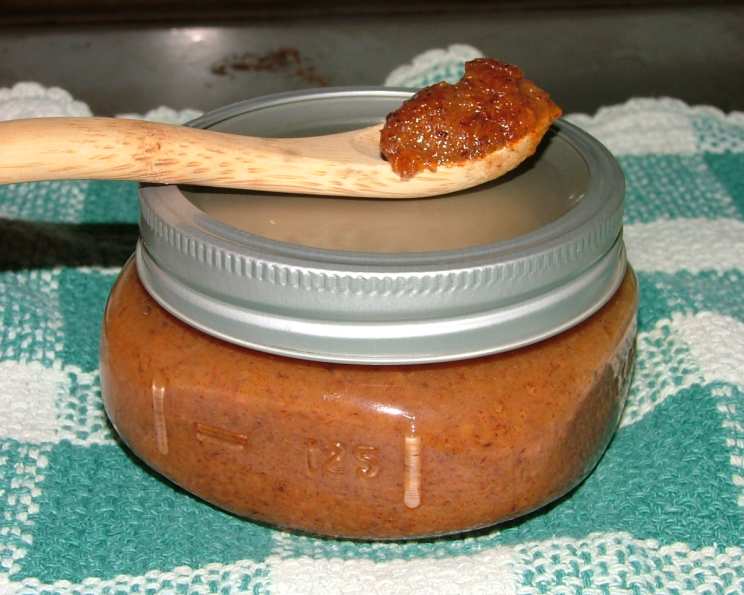
Persimmon Butter: A Taste of Autumn’s Sweetness
My grandmother’s hands, stained a deep orange from countless hours spent peeling and preparing persimmons, are one of my earliest and fondest food memories. Each fall, our kitchen would transform into a persimmon processing plant, the air thick with the fruit’s unique, almost caramel-like fragrance. While she made many wonderful things with them, her persimmon butter, spread thick on warm biscuits, was always my favorite. It was a taste of pure sunshine that captured the very essence of the season.
Recipe Overview
- Prep Time: 30 minutes (including pulp preparation)
- Cook Time: Varies, up to several hours
- Total Time: Variable, depending on desired consistency
- Yield: Approximately 3 pints
- Dietary Type: Vegan (naturally)
Ingredients
- 2 quarts persimmon pulp (from very ripe persimmons)
- 1 cup orange juice
- Sugar (amount depends on the volume of cooked pulp, see instructions)
Equipment Needed
- Double boiler (or large, heavy-bottomed pot)
- Measuring cups and spoons
- Knife and cutting board
- Food mill or potato ricer (optional, for smoother pulp)
- Sterilized jars and lids
- Large pot for boiling water bath
- Jar lifter
Instructions
- Prepare the Persimmon Pulp: This is the most labor-intensive part. Start by selecting very ripe persimmons; they should be almost jelly-like to the touch. Wash the persimmons thoroughly.
- Pulping the Persimmons: Cut the persimmons in half and scoop out the pulp. Remove any seeds or large pieces of skin. For a smoother butter, pass the pulp through a food mill or potato ricer to remove any remaining tough fibers. This step is optional, but it will significantly improve the texture.
- Combine Pulp and Orange Juice: In a double boiler, combine the persimmon pulp and orange juice. The double boiler is crucial to prevent scorching. If you don’t have a double boiler, use a large, heavy-bottomed pot set over very low heat, stirring frequently.
- Initial Cooking: Cook the mixture over low heat in the double boiler, stirring occasionally, until the pulp has thickened considerably. This can take several hours, so be patient. The mixture will reduce in volume as the water evaporates.
- Measure Pulp and Add Sugar: Once the pulp has thickened, measure the volume of the cooked pulp. For every 1 cup of cooked persimmon pulp, add ¾ cup of sugar. Adjust the amount of sugar to your taste, depending on the sweetness of your persimmons. Some varieties are sweeter than others.
- Final Cooking: Continue cooking the mixture over low heat, stirring frequently, until it reaches your desired consistency. The persimmon butter will thicken further as it cools, so don’t overcook it. A good test is to place a small spoonful of the butter on a chilled plate; if it sets up to a spreadable consistency within a few minutes, it’s ready. This step may also take several hours. Keep a close eye and be sure to stir, as it may begin to stick as it thickens.
- Hot Pack into Sterilized Jars: While the persimmon butter is cooking, sterilize your jars and lids. Wash the jars and lids in hot, soapy water, then rinse thoroughly. Place the jars in a boiling water bath for 10 minutes to sterilize them. Keep the jars hot until you’re ready to fill them. Place the lids in simmering water.
- Fill and Seal: Carefully ladle the hot persimmon butter into the hot, sterilized jars, leaving about ¼ inch of headspace. Wipe the rims of the jars with a clean, damp cloth. Place the lids on the jars and screw on the bands finger-tight.
- Process in a Boiling Water Bath: Place the filled jars in a boiling water bath. Make sure the jars are completely covered with water (at least 1 inch above the tops of the jars). Bring the water back to a rolling boil and process for 10 minutes.
- Cool and Check Seals: Carefully remove the jars from the boiling water bath using a jar lifter and place them on a towel-lined surface to cool completely. As the jars cool, you should hear a popping sound as the lids seal. After the jars have cooled completely, check the seals by pressing down on the center of each lid. If the lid doesn’t flex, it’s properly sealed. If the lid flexes, the jar didn’t seal properly and should be refrigerated and used within a few weeks, or reprocessed with a new lid.
Expert Tips & Tricks
- Persimmon Variety Matters: American persimmons (Diospyros virginiana) are best for persimmon butter due to their rich flavor. Fuyu persimmons, while delicious fresh, may not yield as flavorful a butter.
- Don’t Rush the Cooking Process: The long, slow cooking time is essential for developing the deep, complex flavor of the persimmon butter. Resist the urge to turn up the heat.
- Prevent Scorching: Using a double boiler (or a heavy-bottomed pot with frequent stirring) is crucial to prevent the persimmon butter from scorching, which can ruin the flavor.
- Adjust Sweetness to Taste: The amount of sugar needed will vary depending on the sweetness of your persimmons. Taste the pulp after it has cooked down and adjust the sugar accordingly.
- Don’t Overcook: Overcooked persimmon butter can become too thick and gummy. Aim for a consistency that is slightly thinner than your desired finished product, as it will thicken as it cools.
Serving & Storage Suggestions
Persimmon butter is incredibly versatile. It’s delicious spread on toast, biscuits, scones, or muffins. It also makes a wonderful filling for pastries or a glaze for roasted meats.
- Storage: Properly sealed jars of persimmon butter can be stored in a cool, dark place for up to a year. Once opened, refrigerate the persimmon butter and use it within a few weeks.
- Refrigeration: Unsealed jars or opened jars should be stored in the refrigerator.
- Freezing: Persimmon butter can also be frozen for longer storage. Transfer the butter to freezer-safe containers, leaving some headspace for expansion. Thaw in the refrigerator before using.
Nutritional Information
(Estimated values, will vary based on specific ingredients and serving size)
| Nutrient | Amount per Serving (1 tbsp) | % Daily Value |
|---|---|---|
| Calories | 40 kcal | 2% |
| Total Fat | 0g | 0% |
| Saturated Fat | 0g | 0% |
| Cholesterol | 0mg | 0% |
| Sodium | 1mg | 0% |
| Total Carbohydrate | 10g | 4% |
| Dietary Fiber | 0g | 0% |
| Sugars | 9g | 0% |
| Protein | 0g | 0% |
Variations & Substitutions
- Spice it Up: Add a pinch of ground cinnamon, nutmeg, or cloves to the persimmon butter for a warm, spiced flavor.
- Citrus Zest: Incorporate the zest of an orange or lemon for a brighter, more aromatic flavor.
- Apple Cider: Substitute apple cider for the orange juice for a different flavor profile.
- Maple Syrup: Replace some or all of the sugar with maple syrup for a more complex sweetness.
- Add Pectin: For a thicker, more jam-like consistency, add a small amount of pectin according to package directions.
FAQs (Frequently Asked Questions)
Q: How do I know when the persimmons are ripe enough to use?
A: Persimmons for persimmon butter should be very soft and almost jelly-like to the touch. If they are still firm, they will be too astringent.
Q: Can I use frozen persimmon pulp?
A: Yes, you can use frozen persimmon pulp. Thaw it completely before using and drain off any excess liquid.
Q: Do I have to use a double boiler?
A: While a double boiler is recommended to prevent scorching, you can use a heavy-bottomed pot over very low heat, stirring frequently to prevent sticking.
Q: How long will persimmon butter last?
A: Properly sealed jars of persimmon butter can be stored in a cool, dark place for up to a year. Once opened, refrigerate and use within a few weeks.
Q: What if my persimmon butter is too thin?
A: Continue cooking the persimmon butter over low heat until it reaches your desired consistency. Remember that it will thicken as it cools.
Final Thoughts
Making persimmon butter is a labor of love, but the end result is well worth the effort. This unique and delicious fruit spread captures the essence of autumn in a jar, and it’s sure to become a new favorite in your kitchen. Gather some ripe persimmons, put on some music, and enjoy the process of transforming these humble fruits into a culinary treasure. Don’t hesitate to experiment with different spices and flavors to create your own signature persimmon butter. Share your creations with friends and family, and let them experience the magic of this seasonal treat.