
Elevate Your Pizza Night: A Chef’s Guide to Perfect Pesto
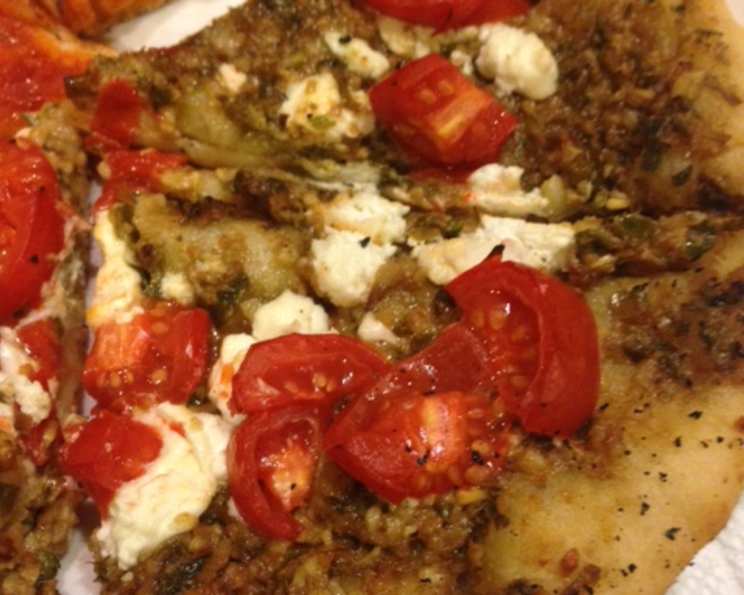
The first time I tasted pesto on pizza, I was a young line cook in a tiny trattoria nestled in the heart of Florence. The aroma alone, a heady blend of fresh basil, garlic, and toasted pine nuts, transported me. That first bite – the creamy pesto mingling with the tangy goat cheese, the sweetness of roasted cherry tomatoes, all atop a perfectly crisp crust – was a revelation. It was a flavor combination that was both rustic and refined, and it ignited my lifelong passion for pesto. This isn’t just any pesto; it’s the secret weapon for turning ordinary pizza into an extraordinary culinary experience.
Recipe Overview
- Prep Time: 15 minutes
- Cook Time: 0 minutes (Pesto is uncooked)
- Total Time: 15 minutes
- Servings: Varies depending on pizza size
- Yield: 3 cups
- Dietary Type: Vegetarian (easily adaptable to vegan)
Ingredients
- 2 cups fresh basil
- 1 cup fresh Italian parsley
- 1/2 cup grated Parmesan cheese (or 1/2 cup grated Romano cheese)
- 1/2 cup pine nuts, toasted
- 4 cloves garlic, roughly chopped
- 1/4 teaspoon salt
- 1/8 teaspoon red pepper flakes
- 1/2 cup olive oil
- 1 tablespoon lemon juice
- 2 tablespoons water
Ingredient Notes:
- For a vegan version, substitute the Parmesan or Romano cheese with nutritional yeast or a vegan Parmesan alternative.
Equipment Needed
- Food processor or blender
- Measuring cups and spoons
- Small skillet for toasting pine nuts
Instructions
-
Toast the Pine Nuts: In a small, dry skillet over medium heat, toast the pine nuts until golden brown and fragrant, stirring frequently to prevent burning. This usually takes about 3-5 minutes. Remove from heat and let cool slightly. Toasting the pine nuts brings out their nutty flavor and adds depth to the pesto. Be careful; they burn easily!
-
Combine Ingredients: In the bowl of a food processor or blender, combine the fresh basil, fresh Italian parsley, Parmesan cheese (or Romano cheese), toasted pine nuts, garlic, salt, and red pepper flakes.
-
Puree: Pulse the mixture several times to coarsely chop the ingredients. Then, with the food processor running, slowly drizzle in the olive oil until a smooth, thick paste forms. You may need to stop and scrape down the sides of the bowl a few times to ensure everything is evenly incorporated.
-
Adjust Consistency: Add the lemon juice and water. Pulse again until well combined. The lemon juice adds brightness and helps to preserve the vibrant green color of the pesto. The water helps to thin the pesto to a desirable consistency. Taste and adjust seasoning as needed, adding more salt or red pepper flakes to your preference.
-
Apply to Pizza: Spread the pesto evenly over your pizza dough instead of traditional tomato sauce. Top with your favorite ingredients, such as sliced crimini mushrooms, reconstituted sun-dried tomatoes, sliced black olives, and shaved Parmesan cheese.
Expert Tips & Tricks
- Blanch the Basil: For an even brighter green pesto that stays vibrant longer, quickly blanch the basil leaves in boiling water for 10-15 seconds, then immediately plunge them into an ice bath. This helps to set the color and prevent oxidation. Be sure to thoroughly dry the blanched basil before using.
- Garlic Intensity: If you prefer a milder garlic flavor, consider roasting the garlic cloves before adding them to the pesto. Roasting mellows out the sharpness of the garlic.
- Nut Variety: Feel free to experiment with different nuts. Walnuts, pecans, or even sunflower seeds (for a nut-free option) can be used instead of pine nuts. Each nut will impart a slightly different flavor profile to the pesto.
- Cheese Matters: Use freshly grated Parmesan or Romano cheese for the best flavor and texture. Pre-grated cheese often contains cellulose, which can prevent the pesto from becoming perfectly smooth.
- Freezing for Later: Pesto freezes beautifully. To freeze, spoon the pesto into ice cube trays. Once frozen, transfer the cubes to a freezer bag or container. This allows you to easily thaw small portions of pesto as needed. Add a thin layer of olive oil on top of each cube to help prevent freezer burn.
Serving & Storage Suggestions
Pesto is best served fresh or immediately after making it. Spread it generously on your favorite pizza dough, top with your favorite ingredients, and bake according to your dough recipe. Beyond pizza, pesto can be used as a sauce for pasta, a spread for sandwiches, a marinade for grilled chicken or fish, or a dip for vegetables.
- Room Temperature: Pesto should not be left at room temperature for more than 2 hours.
- Refrigeration: Store leftover pesto in an airtight container in the refrigerator for up to 3-4 days. To prevent browning, pour a thin layer of olive oil over the surface of the pesto before sealing the container.
- Freezing: As mentioned above, pesto freezes very well. Frozen pesto can be stored for up to 3 months.
- Reheating: There is no need to reheat pesto if using it as a sauce for pizza or pasta. Simply add it after cooking. If using it as a dip or spread, allow it to come to room temperature before serving.
Nutritional Information
Please note that these values are estimates and can vary based on specific ingredients and serving sizes.
| Nutrient | Amount per Serving | % Daily Value |
|---|---|---|
| Calories | 562.6 kcal | N/A |
| Calories from Fat | 508 g | 90% |
| Total Fat | 56.5 g | 86% |
| Saturated Fat | 9 g | 45% |
| Cholesterol | 14.7 mg | 4% |
| Sodium | 463.2 mg | 19% |
| Total Carbohydrate | 7.4 g | 2% |
| Dietary Fiber | 2.1 g | 8% |
| Sugars | 1.4 g | 5% |
| Protein | 11.3 g | 22% |
Variations & Substitutions
- Vegan Pesto: Substitute the Parmesan cheese with nutritional yeast or a vegan Parmesan alternative. Add a pinch of garlic powder for extra flavor.
- Sun-Dried Tomato Pesto: Add 1/4 cup of oil-packed sun-dried tomatoes to the food processor along with the other ingredients. Reduce the amount of olive oil accordingly.
- Arugula Pesto: Replace half of the basil with arugula for a peppery twist.
- Pistachio Pesto: Use pistachios instead of pine nuts for a unique and flavorful pesto.
- Lemon Zest Pesto: Add the zest of one lemon for an extra burst of citrus flavor.
- Spicy Pesto: Increase the amount of red pepper flakes for a spicier kick.
FAQs (Frequently Asked Questions)
Q: Can I make pesto without a food processor?
A: While a food processor is the easiest method, you can make pesto by hand using a mortar and pestle. This will require more time and effort, but it results in a slightly coarser texture.
Q: How do I prevent my pesto from turning brown?
A: Blanching the basil before processing, adding lemon juice, and storing the pesto with a thin layer of olive oil on top can all help to prevent browning.
Q: Can I use frozen basil for pesto?
A: Fresh basil is always best for pesto, but if you only have frozen basil, you can use it. Thaw the basil completely and squeeze out any excess water before using. The flavor may be slightly less vibrant.
Q: How long does homemade pesto last?
A: Homemade pesto will last for 3-4 days in the refrigerator or up to 3 months in the freezer.
Q: What other cheeses work well in pesto?
A: Besides Parmesan and Romano, you can also use Pecorino or Grana Padano cheese in pesto.
Final Thoughts
Creating your own pesto is not only easy but incredibly rewarding. This vibrant, flavorful sauce will transform your pizza night and unlock a world of culinary possibilities. Don’t be afraid to experiment with different ingredients and variations to find your perfect pesto blend. And once you’ve mastered the art of pesto, share your creations with friends and family – they’ll be forever grateful! Pair your pesto pizza with a crisp, dry white wine like a Pinot Grigio or Sauvignon Blanc for a truly memorable meal.