
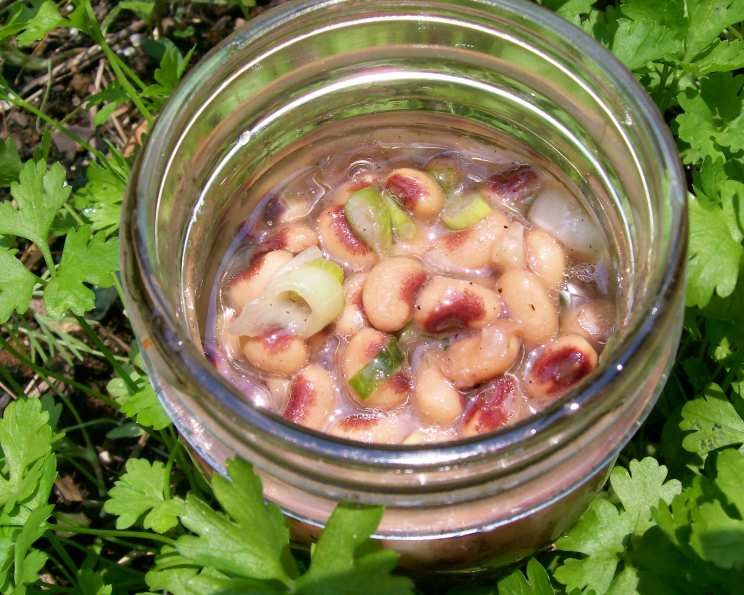
Pickled Black Eyed Peas: A Southern Staple with a Kick
The first time I tasted pickled black-eyed peas, I was at a roadside barbecue stand in rural Georgia. The air was thick with the scent of hickory smoke, sweet tea, and something tangy and intriguing I couldn’t quite place. A generous woman with a warm smile ladled a scoop of these briny, peppery jewels onto my plate. Each bite was an explosion of flavor – the earthy black-eyed peas balanced perfectly with the sharp vinegar and a hint of spice. From that moment, I was hooked, and pickling black-eyed peas became a cherished tradition in my own kitchen, a little piece of Southern sunshine I could conjure up any time of year.
Recipe Overview:
- Prep Time: 10 minutes
- Cook Time: 0 minutes
- Total Time: 3 days, 10 minutes (includes marinating)
- Yields: 3 cups
- Dietary Type: Vegan, Gluten-Free
Ingredients:
- 3 cups canned black-eyed peas
- 1 cup canola oil
- 1/4 cup red wine vinegar
- 1 garlic clove
- 1/4 cup onion, thinly sliced
- 1/2 teaspoon salt (or Tony Chachere’s Creole Seasoning)
- 1/4 teaspoon ground black pepper
Equipment Needed:
- Medium bowl
- Jar with a lid (approximately 1-quart size)
Instructions:
- Start by draining the canned black-eyed peas thoroughly. Rinsing them is optional, but I prefer to rinse them to remove any excess starch.
- In a medium bowl, combine the canola oil, red wine vinegar, garlic, onion, salt (or Tony Chachere’s), and ground black pepper.
- Mix all ingredients in the bowl well to ensure the salt and pepper are evenly distributed. This creates the pickling brine that will infuse the peas with flavor.
- Add the drained black-eyed peas to the bowl with the brine.
- Stir well to make sure all the peas are thoroughly coated with the pickling liquid.
- Transfer the black-eyed peas and the brine to a clean jar with a lid. Pack them in gently.
- Refrigerate the jar for 24 hours. This initial refrigeration period allows the flavors to start melding together.
- Remove the garlic clove after the first day. Leaving it in for too long can result in an overly strong garlic flavor.
- Marinate for 2 more days before serving. This extended marinating time is crucial for the flavors to fully develop and the peas to absorb the tangy brine.
- Once the peas have marinated for a total of 3 days, they’re ready to serve.
- These pickled black-eyed peas will store in the refrigerator for up to 2 weeks.
Expert Tips & Tricks:
- Spice it Up: For an extra kick, add a pinch of red pepper flakes or a dash of your favorite hot sauce to the brine. A few slices of jalapeño added to the jar during marination will also impart a pleasant heat.
- Onion Variation: Try using red onion instead of yellow for a slightly sweeter and more vibrant flavor.
- Vinegar Options: While red wine vinegar is traditional, you can experiment with other vinegars like apple cider vinegar for a slightly different flavor profile.
- Fresh Herbs: Add a sprig of fresh thyme or rosemary to the jar during marination for an aromatic touch. Be sure to remove the herbs before serving.
- Make Ahead: These peas are best made a few days in advance, as the flavors intensify over time. This makes them perfect for potlucks or parties.
- Don’t discard the brine! Once you’ve eaten all the peas, the leftover brine can be used to make a tangy vinaigrette dressing for salads.
Serving & Storage Suggestions:
Pickled black-eyed peas are incredibly versatile. They’re fantastic as a side dish alongside grilled meats, in salads, or as a topping for tacos. They also make a great addition to a cheese board or charcuterie platter. Serve them chilled or at room temperature.
To store, keep the pickled black-eyed peas in an airtight container in the refrigerator. They will last for up to 2 weeks. While it’s unlikely they’ll spoil quickly due to the vinegar content, the texture may soften over time. It is not recommended to freeze them, as freezing will negatively impact the texture of the peas.
Nutritional Information:
| Nutrient | Amount per Serving | % Daily Value |
|---|---|---|
| Calories | 834.7 kcal | – |
| Calories from Fat | 666 g | 80% |
| Total Fat | 74 g | 113% |
| Saturated Fat | 5.5 g | 27% |
| Cholesterol | 0 mg | 0% |
| Sodium | 1105.8 mg | 46% |
| Total Carbohydrate | 34.5 g | 11% |
| Dietary Fiber | 8.2 g | 32% |
| Sugars | 0.6 g | 2% |
| Protein | 11.6 g | 23% |
Variations & Substitutions:
- Spicier Version: Use Tony Chachere’s Creole Seasoning instead of plain salt for a spicier flavor.
- Sweet & Tangy: Add a tablespoon of honey or maple syrup to the brine for a touch of sweetness.
- Herbed Delight: Incorporate fresh dill, parsley, or cilantro into the mix for an herbaceous twist.
- Vegetable Medley: Add other pickled vegetables like carrots, celery, or bell peppers to the jar along with the black-eyed peas.
- Black Bean Variation: You can also use this recipe to pickle other beans, such as black beans, pinto beans, or navy beans.
FAQs (Frequently Asked Questions):
Q: Can I use dried black-eyed peas instead of canned?
A: Yes, you can! You’ll need to cook the dried black-eyed peas until they are tender but not mushy before adding them to the brine. Make sure they are completely cooled before pickling.
Q: How long do the pickled black-eyed peas need to marinate?
A: At least 3 days is recommended for the flavors to fully develop. However, they taste even better after a week!
Q: Can I use different types of oil?
A: While canola oil is a good neutral choice, you can experiment with other oils like olive oil or avocado oil. Keep in mind that these oils will impart their own flavor to the peas.
Q: Why do I need to remove the garlic after the first day?
A: Leaving the garlic in for the entire marinating period can result in an overly pungent and bitter garlic flavor. Removing it after the first day helps to prevent this.
Q: Can I add other spices to the brine?
A: Absolutely! Feel free to experiment with other spices like mustard seeds, coriander seeds, or cumin seeds to create your own unique flavor profile.
Final Thoughts:
Pickled black-eyed peas are more than just a side dish; they’re a taste of Southern heritage, a celebration of simple ingredients transformed into something extraordinary. Don’t be intimidated by the marinating time – it’s passive and well worth the wait. I encourage you to give this recipe a try and share your creations with friends and family. Pair them with some slow-cooked ribs, grilled chicken, or simply enjoy them straight from the jar. And if you come up with any creative variations, I’d love to hear about them! Happy pickling!