
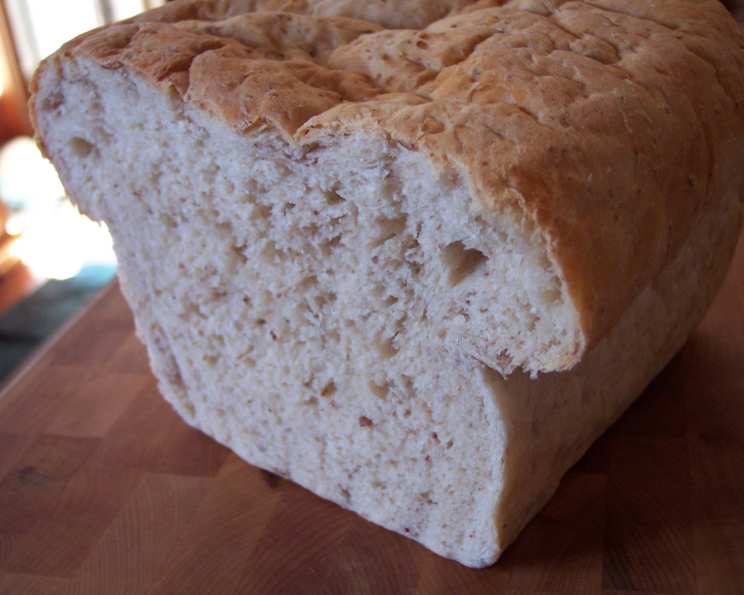
Pinto Bean Bread: A Taste of Home and Hearth
The scent of baking bread always takes me back to my grandmother’s kitchen. She was a woman who could coax magic from the simplest ingredients, and her bread was legendary. I remember one summer when the pantry was particularly bare, she surprised us all with a loaf that was surprisingly sweet and nutty. Turns out, she’d incorporated mashed pinto beans into the dough! The resulting loaf was unexpectedly light, subtly sweet, and packed with protein – a testament to her ingenuity and resourcefulness. It’s a recipe I’ve cherished and adapted over the years, and I’m thrilled to share it with you today.
Recipe Overview
- Prep Time: 20 minutes
- Cook Time: 30-40 minutes
- Total Time: 3 hours 35 minutes (including rising time)
- Servings: Approximately 32 slices (2 loaves)
- Yield: 2 loaves
- Dietary Type: Vegetarian (can be made vegan with plant-based milk and shortening)
Ingredients
- 2 cups lukewarm milk (dairy or non-dairy)
- 2 packages (approximately 4 1/2 teaspoons) active dry yeast
- 2 cups pinto beans, mashed (cooked and thoroughly mashed)
- 2 tablespoons sugar (granulated or cane sugar)
- 2 teaspoons salt (sea salt or kosher salt)
- 2 tablespoons shortening, melted (vegetable shortening or melted vegan butter)
- 5-6 cups all-purpose flour, plus extra for dusting
Equipment Needed
- Large mixing bowl
- Measuring cups and spoons
- Kitchen scale (optional, for precise flour measurement)
- Clean damp cloth
- Two 9×5 inch loaf pans
- Oven
- Cooling rack
Instructions
-
In a large mixing bowl, combine the lukewarm milk, mashed pinto beans, sugar, salt, melted shortening, and 1 tablespoon of the flour. The milk should be warm to the touch but not hot, around 105-115°F (40-46°C).
-
Stir in the yeast and wait for it to bubble, indicating that the yeast is active. This usually takes about 5 minutes.
-
If the yeast has not bubbled after 5 minutes, it may be old or inactive. In this case, it’s best to get new yeast to ensure your bread rises properly.
-
Gradually stir in the remaining 5-6 cups of flour, adding it one cup at a time. The goal is to create a kneadable dough that is soft and slightly sticky but not overly wet. You may not need all 6 cups of flour, depending on the humidity and the consistency of your mashed beans.
-
Turn the dough out onto a lightly floured surface and knead for 5-10 minutes, until it becomes smooth and satiny. The dough should be elastic and spring back when gently pressed.
-
Place the dough in a greased bowl, turning to coat the dough with the grease. This will prevent the dough from drying out during the rising process.
-
Cover loosely the bowl with a clean, damp cloth to create a humid environment for optimal rising.
-
Let rise in a warm place until doubled in size. This process typically takes about 1-1.5 hours, depending on the temperature of your environment.
-
Punch down the dough to release the air. This step helps to redistribute the yeast and create a more even texture in the final loaf.
-
Let rise again for another 30-45 minutes, or until almost doubled in size. This second rise contributes to a lighter and more airy crumb.
-
Punch down the dough again and shape it into 2 loaves.
-
Place each loaf in a greased 9×5 inch loaf pan.
-
Bake in a preheated oven at 350°F (175°C) for 30-40 minutes, or until the loaves are golden brown and sound hollow when thumped on the bottom. You can also use a thermometer to check for an internal temperature of 200-210°F (93-99°C).
-
Remove the loaves from the pans and let cool on a cooling rack before slicing and serving.
Expert Tips & Tricks
- Mashing the beans thoroughly is crucial for a smooth and even texture. Use a food processor or blender for best results, or mash by hand with a potato masher, ensuring there are no large chunks.
- If your dough is too sticky, add flour one tablespoon at a time until it reaches the desired consistency. Be careful not to add too much flour, as this can result in a dry and dense loaf.
- For a richer flavor, use brown sugar instead of granulated sugar.
- To prevent the crust from browning too quickly, tent the loaves with foil during the last 10-15 minutes of baking.
- If you’re short on time, you can skip the second rise, but the bread will be slightly denser.
Serving & Storage Suggestions
Pinto bean bread is delicious served warm with butter, jam, or cheese. It also makes excellent toast and sandwiches. For optimal freshness, store cooled loaves in an airtight container at room temperature for up to 3 days, in the refrigerator for up to a week, or in the freezer for up to 3 months. To reheat frozen bread, thaw it completely and then warm it in the oven at 350°F (175°C) for 5-10 minutes.
Nutritional Information
| Nutrient | Amount per Serving | % Daily Value |
|---|---|---|
| Calories | 107.7 kcal | – |
| Calories from Fat | – | 14% |
| Total Fat | 1.6 g | 2% |
| Saturated Fat | 0.6 g | 3% |
| Cholesterol | 2.1 mg | 0% |
| Sodium | 153.6 mg | 6% |
| Total Carbohydrate | 19.4 g | 6% |
| Dietary Fiber | 1.6 g | 6% |
| Sugars | 0.9 g | – |
| Protein | 3.7 g | 7% |
Note: Nutritional information is an estimate and may vary depending on specific ingredients and portion sizes.
Variations & Substitutions
- Vegan Pinto Bean Bread: Use non-dairy milk (almond, soy, or oat milk) and vegan shortening or melted coconut oil.
- Whole Wheat Pinto Bean Bread: Substitute 1-2 cups of the all-purpose flour with whole wheat flour for a nuttier flavor and added fiber.
- Spiced Pinto Bean Bread: Add 1 teaspoon of ground cinnamon, nutmeg, or cardamom to the dough for a warm and fragrant loaf.
- Savory Pinto Bean Bread: Incorporate chopped herbs like rosemary, thyme, or oregano into the dough for a savory twist.
- Sweet Pinto Bean Rolls: After the first rise, divide the dough into small rolls and bake until golden brown.
FAQs (Frequently Asked Questions)
Q: Can I use canned pinto beans for this recipe?
A: Yes, canned pinto beans work perfectly well. Be sure to drain and rinse them thoroughly before mashing.
Q: Can I use a stand mixer instead of kneading by hand?
A: Absolutely! Use the dough hook attachment and knead for about 5-7 minutes on medium speed until the dough is smooth and elastic.
Q: My dough isn’t rising. What could be the problem?
A: The most common reason is that the yeast is inactive. Make sure your milk isn’t too hot (which can kill the yeast) and that your yeast is fresh. Also, ensure that your rising environment is warm enough.
Q: Can I make this bread gluten-free?
A: While this recipe is not specifically designed to be gluten-free, you can try substituting the all-purpose flour with a gluten-free all-purpose blend. Be aware that the texture and rise may be different.
Q: How do I know when the bread is done baking?
A: The bread is done when it is golden brown and sounds hollow when you tap the bottom. You can also use a thermometer to check for an internal temperature of 200-210°F (93-99°C).
Final Thoughts
Pinto bean bread is more than just a recipe; it’s a slice of comfort, resourcefulness, and cherished memories. This unique and protein-packed loaf is a wonderful way to use leftover beans and create something truly special. I encourage you to try this recipe and experience the delightful flavor and texture for yourself. Don’t be afraid to experiment with variations and share your creations with friends and family. And if you do try it, please let me know what you think – I love hearing about your baking adventures! This bread pairs wonderfully with a hearty vegetable soup or a simple green salad for a complete and satisfying meal. Happy baking!