
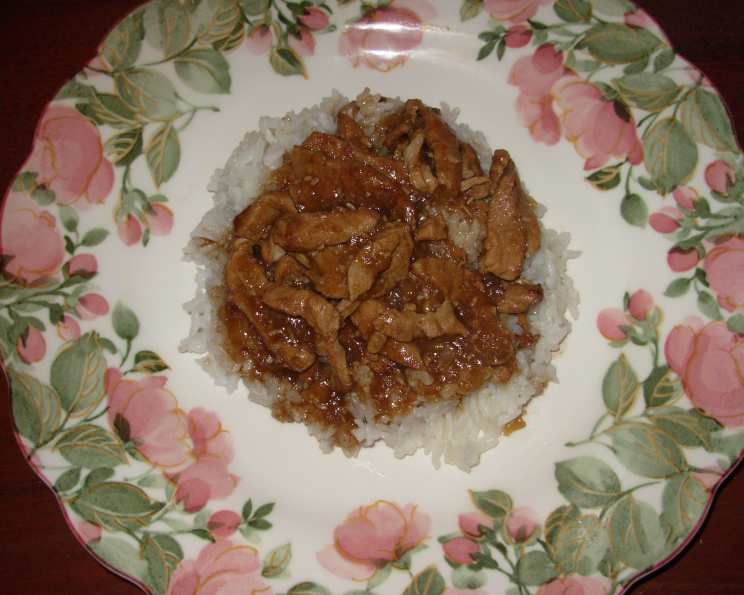
Pork (or Chicken) Adobo: A Taste of Filipino Comfort
I can still remember the scent wafting from my neighbor Aling Maria’s kitchen – a tantalizing mix of vinegar, garlic, and something deeply savory that I couldn’t quite place as a child. That smell, I later learned, was Adobo, the unofficial national dish of the Philippines. Aling Maria, with her warm smile and even warmer heart, patiently showed me the basics of this deceptively simple yet endlessly versatile dish. It was more than just a recipe; it was a connection to her homeland, a taste of her childhood, and a lesson in the power of food to bring people together. Even now, years later, the aroma of Adobo instantly transports me back to her cozy kitchen, filled with laughter and the comforting promise of a delicious meal.
Recipe Overview
- Prep Time: 15 minutes
- Cook Time: 45-60 minutes
- Total Time: 1 hour – 1 hour 15 minutes
- Servings: 4
- Dietary Type: Varies (see variations for gluten-free)
Ingredients
- 1/2 yellow onion, finely diced
- 1 head garlic, finely diced
- 2 lbs pork (chops, steaks or sliced stir fry) or chicken (thighs) cut into 1-2 inch pieces.
- 1 cup white vinegar, additional may be needed
- 1-2 cups water
- 1/4 – 1/2 cup balsamic vinegar
- 1/4 cup soy sauce
- 1 teaspoon paprika
- 2 tablespoons olive oil, enough for browning
- 2 tablespoons cornstarch
- 2 tablespoons water
Equipment Needed
- Large pot or Dutch oven
- Small skillet or frying pan
- Measuring cups and spoons
- Cutting board
- Knife
Instructions
-
Prepare the aromatics: Finely dice the onion and the entire head of garlic. Remember, that’s a whole head of garlic, not just a single clove! The garlic is crucial for the authentic Adobo flavor.
-
Sauté: In a large pot or Dutch oven, heat enough olive oil to coat the bottom. Add the finely diced onion and garlic and sauté over medium heat until softened and fragrant, about 3-5 minutes. Be careful not to burn the garlic, as this will make the Adobo bitter.
-
Cut the meat: Cut the pork or chicken into 1″x1″ to 1″x3″ pieces. If using bone-in chicken, just cut away some of the larger pieces from the bone. This helps ensure even cooking and allows the meat to absorb the flavorful sauce.
-
Add Liquids: Add 1 cup of white vinegar and 1 cup of water to the pot with the onion and garlic mixture.
-
Bring to a Boil: Bring the mixture to a low boil over medium-high heat. This gentle boiling allows the flavors to meld together.
-
Add the Meat: Add the pork or chicken to the pot and continue to cook at or near a boil for a minimum of 20 minutes. It’s important to maintain a gentle boil, not a furious one, to prevent the meat from becoming tough.
-
Incorporate Balsamic Vinegar: Sometime during the 20-minute cooking period, add the balsamic vinegar to taste. Start with 1/4 cup and add more if desired. The balsamic vinegar adds a touch of sweetness and depth to the Adobo.
-
Simmer and Tenderize: Continue cooking the Adobo. The extra time doesn’t hurt the meat and actually makes it tenderer, probably because of the vinegar.
-
Introduce Soy Sauce: With about ten minutes left in the cooking time, add the soy sauce. This adds a salty, umami richness to the dish.
-
Adjust Liquid (If Needed): If you cook it longer than 30-40 minutes, have an extra cup of water and some white vinegar on hand, as the mixture will likely reduce too much. The goal is to have enough sauce to coat the rice.
-
Check for Tenderness: The meat should be tender. If not, continue to cook longer.
-
Brown the Meat (Optional): When the meat is tender, pull it out of the gravy with tongs or a slotted spoon and brown it in a little olive oil in a separate pan or skillet. I sometimes sprinkle a little bit of paprika on it at this point for both color and flavor. Browning the meat adds another layer of flavor and a more appealing texture.
-
Thicken the Gravy: While the meat is browning, use a cold water roux to thicken the remaining gravy. In a small bowl, whisk together 2 tablespoons of cornstarch and 2 tablespoons of water until smooth. Slowly whisk the cornstarch slurry into the simmering gravy. Cook, stirring constantly, until the gravy thickens to your desired consistency.
-
Combine and Serve: The browned meat can be remixed with the gravy after browning, or served separately. I usually put the meat and gravy together and serve it over rice. Sometimes I serve the chicken and rice separately, dousing both with gravy.
Expert Tips & Tricks
- Don’t be afraid of the vinegar! The vinegar is essential to Adobo, both for flavor and for tenderizing the meat. The dish will not taste overly sour if properly balanced.
- Use good quality soy sauce. This will significantly impact the overall flavor of the Adobo. Opt for a naturally brewed soy sauce for the best results.
- Adjust the sweetness. Some people prefer a sweeter Adobo. You can add a tablespoon or two of brown sugar or honey to the sauce for a sweeter flavor profile.
- Make it ahead. Adobo is even better the next day, as the flavors have more time to meld together.
- For a richer flavor, marinate the meat in the vinegar, soy sauce, garlic, and spices for at least 30 minutes before cooking.
Serving & Storage Suggestions
Adobo is traditionally served hot over steamed white rice. The flavorful gravy is perfect for soaking into the rice, making every bite a delicious experience. You can also serve it with a side of steamed vegetables, such as green beans or bok choy, for a balanced meal.
Leftovers can be stored in an airtight container in the refrigerator for up to 3-4 days. To reheat, simply microwave or warm in a saucepan over medium heat until heated through. For longer storage, Adobo can be frozen for up to 2-3 months. Thaw overnight in the refrigerator before reheating.
Nutritional Information
| Nutrient | Amount per Serving | % Daily Value (approximate) |
|---|---|---|
| Calories | 550 kcal | 28% |
| Total Fat | 30g | 46% |
| Saturated Fat | 10g | 50% |
| Cholesterol | 180mg | 60% |
| Sodium | 1000mg | 42% |
| Total Carbohydrate | 15g | 5% |
| Dietary Fiber | 2g | 8% |
| Sugars | 3g | 6% |
| Protein | 50g | 100% |
Nutritional information is an estimate and can vary based on specific ingredients and portion sizes.
Variations & Substitutions
- Chicken Adobo: Substitute the pork with chicken thighs for a leaner version. Cooking time may be slightly reduced.
- Gluten-Free Adobo: Replace the soy sauce with tamari or coconut aminos to make this dish gluten-free.
- Spicy Adobo: Add a pinch of red pepper flakes or a chopped chili pepper to the sauce for a spicy kick.
- Coconut Milk Adobo: Replace some of the water with coconut milk for a richer, creamier flavor.
- Adobo with Potatoes: Add diced potatoes to the pot during the last 20 minutes of cooking for a heartier meal.
- Adobo with Bay Leaves: Traditionally, some Adobo recipes include bay leaves. If you want to try this, add 2-3 bay leaves to the pot during the cooking process and remove them before serving.
FAQs (Frequently Asked Questions)
Q: Can I use other types of vinegar besides white and balsamic?
A: While white vinegar is the traditional choice, you can experiment with apple cider vinegar or rice vinegar. Balsamic adds a touch of sweetness and depth, but it’s optional.
Q: How do I know when the meat is cooked through?
A: The meat should be very tender and easily pierced with a fork. If using chicken, ensure the internal temperature reaches 165°F (74°C).
Q: Can I make this in a slow cooker?
A: Yes! Sauté the onions and garlic as instructed, then transfer everything to a slow cooker and cook on low for 6-8 hours or on high for 3-4 hours, or until the meat is very tender. Thicken the sauce as directed after cooking.
Q: What if my Adobo is too sour?
A: Add a small amount of sugar or honey to balance the acidity. You can also add a splash of soy sauce to deepen the savory notes.
Q: Can I add vegetables to Adobo?
A: Absolutely! Potatoes, green beans, and carrots are all excellent additions. Add them during the last 20-30 minutes of cooking, depending on their size and desired tenderness.
Final Thoughts
Pork or Chicken Adobo is more than just a recipe; it’s a journey into the heart of Filipino cuisine. It’s a dish that’s incredibly versatile, forgiving, and packed with flavor. Whether you’re a seasoned chef or a beginner cook, I encourage you to try this recipe and make it your own. Experiment with different variations, adjust the flavors to your liking, and share it with your loved ones. And don’t hesitate to share your feedback and discoveries – I’m eager to hear about your Adobo adventures! Serve it with a crisp green salad and a refreshing glass of iced tea for a complete and satisfying meal. Happy cooking!