
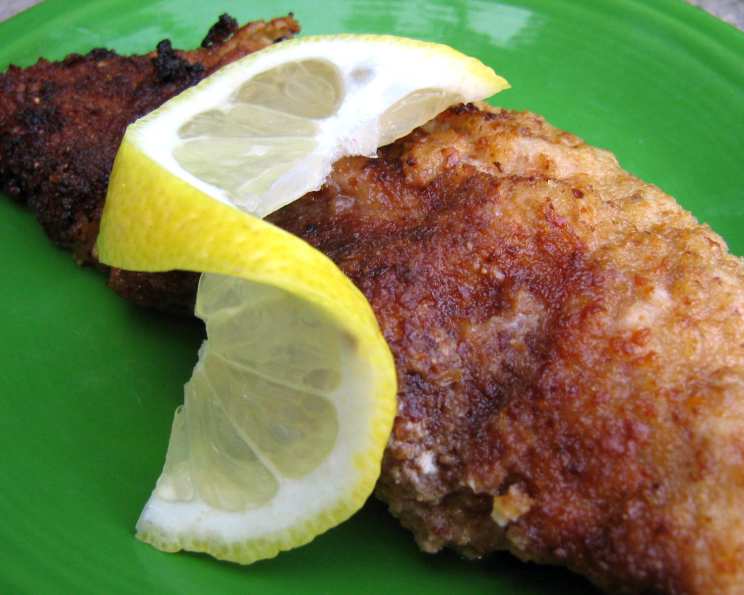
Pork Milanese: A Crispy, Golden Delight
The first time I tasted Pork Milanese, I was in a tiny trattoria tucked away on a cobblestone street in Rome. The aroma of garlic, herbs, and sizzling oil filled the air. The dish arrived, a golden-brown cutlet glistening under a squeeze of fresh lemon, and the first bite was pure magic. The crispy, cheesy crust gave way to tender pork, a symphony of textures and flavors that transported me. From that moment, I was determined to recreate this classic at home.
Recipe Overview
- Prep Time: 15 minutes
- Cook Time: 15 minutes
- Total Time: 30 minutes
- Servings: 6
- Dietary Type: Not Gluten-Free
Ingredients
- 1 cup panko breadcrumbs (Japanese bread crumbs)
- 1/2 cup parmesan-romano cheese mix
- 2 large eggs
- 6 boneless pork loin chops, pounded thin to 1/3-inch thick
- Salt & freshly ground black pepper
- 1/3 cup olive oil
- 6 lemon wedges
Equipment Needed
- Large shallow bowls
- Small baking sheet
- Large skillet
- Cooling rack
- Clean baking sheet
- Meat mallet or rolling pin
Instructions
-
Preheat your oven to a low 200°F (93°C). This is to keep the cooked pork warm while you finish the rest of the batch.
-
Prepare the breading station. Coarsely crush the panko breadcrumbs in a large shallow bowl. You can do this with your hands or by pulsing them briefly in a food processor, but be careful not to turn them into fine dust. We want that distinct panko crunch!
-
Add the parmesan-romano cheese mix to the panko breadcrumbs and mix thoroughly to combine. This cheese mixture provides a savory, salty depth to the crust.
-
In another large shallow bowl, lightly beat the eggs. This creates the binder that will help the breadcrumbs adhere to the pork.
-
Season the pork loin chops generously with salt and freshly ground black pepper. Don’t be shy with the seasoning – this is your opportunity to build flavor.
-
Begin the breading process. Dip each pork chop, one at a time, into the beaten egg, allowing any excess egg to drip off. A good way to remove the excess is to hold the chop up for a moment and gently shake it.
-
Immediately dredge the egg-coated pork chop in the crumb & cheese mixture, patting firmly to coat completely on both sides. Ensure the entire surface is covered for a uniform, crispy crust.
-
Place the breaded pork chops on a small baking sheet lined with parchment paper. This prevents sticking and makes for easy cleanup.
-
Heat 1/4 cup of olive oil in a large skillet over medium-high heat. Make sure the oil is shimmering before adding the pork. This ensures a good sear and crispy texture.
-
Add half of the pork chops to the hot oil, being careful not to overcrowd the pan. Overcrowding will lower the temperature of the oil and result in soggy pork.
-
Cook the pork chops until golden brown and cooked through, about 3 minutes per side. The internal temperature should reach 145°F (63°C). Use a meat thermometer to check for doneness.
-
Transfer the cooked pork chops to a cooling rack placed on a clean baking sheet. This allows air to circulate around the chops, preventing them from becoming soggy while they rest in the oven to keep warm. Place the baking sheet with the cooling rack in the preheated oven to keep the pork warm.
-
Add the remaining 3 tablespoons of olive oil to the skillet and fry the remaining pork chops, repeating the cooking process as before.
-
Transfer all the cooked pork chops to a serving platter and garnish generously with lemon wedges. Serve immediately and enjoy!
Expert Tips & Tricks
- Pounding the pork: Pounding the pork to an even thickness is crucial for even cooking. Use a meat mallet or a rolling pin. Place the pork between two sheets of plastic wrap to prevent tearing.
- Breading consistency: For a thicker crust, dip the pork in the egg and breadcrumb mixture twice.
- Oil temperature: Maintaining the right oil temperature is key. If the oil is not hot enough, the pork will absorb too much oil and become greasy. If it’s too hot, the breadcrumbs will burn before the pork is cooked through.
- Don’t overcrowd: Cooking the pork in batches prevents overcrowding and ensures proper browning.
- Cheese Variation: Try using a mix of Pecorino Romano and Parmigiano Reggiano cheese to add a sharper flavor.
Serving & Storage Suggestions
Serve Pork Milanese immediately while it’s hot and crispy. The bright acidity of fresh lemon wedges complements the richness of the pork and cheese. It pairs beautifully with a simple arugula salad, roasted vegetables, or a side of creamy polenta.
Leftovers can be stored in an airtight container in the refrigerator for up to 3 days. To reheat, bake in a preheated oven at 350°F (175°C) until heated through and crispy, about 10-15 minutes. Microwaving is not recommended as it can make the crust soggy.
While freezing is not ideal due to the breaded coating, you can freeze cooked pork Milanese. Wrap each chop individually in plastic wrap, then place them in a freezer bag. They can be stored in the freezer for up to 2 months. Thaw overnight in the refrigerator before reheating as described above.
Nutritional Information
| Nutrient | Amount per Serving | % Daily Value |
|---|---|---|
| Calories | 232.1 kcal | – |
| Calories from Fat | 148 g | 64% |
| Total Fat | 16.5 g | 25% |
| Saturated Fat | 3.5 g | 17% |
| Cholesterol | 75.3 mg | 25% |
| Sodium | 268.8 mg | 11% |
| Total Carbohydrate | 14.8 g | 4% |
| Dietary Fiber | 1.5 g | 5% |
| Sugars | 1.2 g | 4% |
| Protein | 7.2 g | 14% |
Variations & Substitutions
- Gluten-Free: Use gluten-free panko breadcrumbs for a gluten-free version.
- Vegetarian: Substitute the pork chops with thick slices of eggplant or zucchini. Coat them in the same breadcrumb mixture and pan-fry until golden brown.
- Herb Infusion: Add fresh herbs like chopped parsley, oregano, or thyme to the breadcrumb mixture for an extra layer of flavor.
- Spicy Kick: Add a pinch of red pepper flakes to the breadcrumb mixture for a spicy kick.
- Cheese Swap: Experiment with different cheese combinations like Gruyere and Parmesan, or Asiago and Romano.
FAQs (Frequently Asked Questions)
Q: Can I use regular breadcrumbs instead of panko?
A: While you can, panko breadcrumbs provide a much lighter and crispier texture due to their larger flake size.
Q: How do I prevent the breadcrumbs from falling off during cooking?
A: Ensure the pork is thoroughly coated in the egg and that you press the breadcrumbs firmly onto the pork. Let the breaded pork rest for a few minutes before cooking to help the breading adhere.
Q: Can I bake the pork Milanese instead of frying it?
A: Yes, you can bake it for a healthier option. Preheat your oven to 400°F (200°C), place the breaded pork on a baking sheet lined with parchment paper, drizzle with olive oil, and bake for 15-20 minutes, or until golden brown and cooked through.
Q: How do I keep the pork Milanese warm without it getting soggy?
A: Place the cooked pork on a cooling rack set over a baking sheet in a low oven (around 200°F or 93°C). The cooling rack allows air to circulate, preventing the bottom from becoming soggy.
Q: What is the best way to check if the pork is cooked through?
A: Use a meat thermometer to check the internal temperature. Insert the thermometer into the thickest part of the pork chop. It should reach 145°F (63°C) for safe consumption.
Final Thoughts
Pork Milanese is a simple yet elegant dish that’s perfect for a weeknight dinner or a special occasion. Its crispy, golden crust and tender pork interior are sure to delight your taste buds. Don’t be afraid to experiment with different cheese and herb combinations to create your own signature version. I encourage you to try this recipe and share your feedback – and maybe even pair it with a crisp Italian white wine for the full experience!