
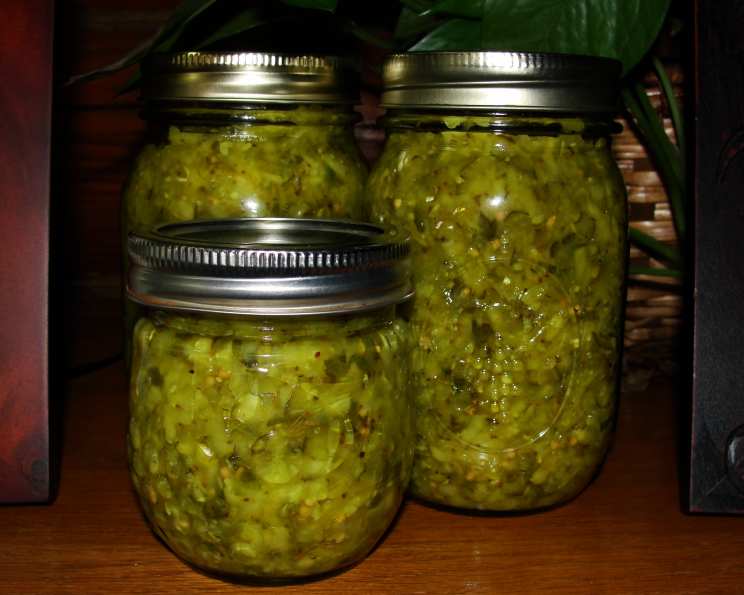
Tangy Dill Pickle Relish: A Burst of Flavor in Every Bite
My grandmother, bless her heart, had a garden that was legendary. Every summer, it exploded with life – tomatoes the size of softballs, zucchini that could double as baseball bats, and enough pickling cucumbers to supply the entire town with dill pickles. The air itself hummed with the scent of dill and vinegar, a constant invitation to come inside and see what she was “puttin’ up” as she called it. While her dill pickles were a staple, it was her tangy dill pickle relish that I truly craved. It wasn’t just a condiment; it was a concentrated dose of summer, a reminder of her love packed into every tiny, flavorful bite.
Recipe Overview
- Prep Time: 1 hour 15 minutes
- Cook Time: 20 minutes
- Total Time: 1 hour 35 minutes
- Yields: 6-7 1/2 pints
- Serves: 48
- Dietary Type: Vegetarian, Gluten-Free
Ingredients
- 3 lbs cucumbers (about 8-9 pickling cucumbers)
- 2-3 sweet onions
- 1/4 cup pickling salt
- 3 cups white vinegar
- 3/4 cup sugar
- 4-5 garlic cloves, minced
- 2 teaspoons dill seeds
- 2 teaspoons mustard seeds
- 2 teaspoons celery seeds
- 1/2 teaspoon turmeric
- 2 tablespoons cornstarch
Equipment Needed
- Large bowl
- Colander
- Large pot
- Sterilized jars with lids and rings
- Canner (for boiling water bath processing)
Instructions
- Begin by finely chopping the cucumbers and onions. It’s important to get them as uniformly chopped as possible for an even texture in the final relish.
- Place the chopped cucumbers and onions in a large bowl. Sprinkle the pickling salt over the mixture and stir well to ensure even distribution. This step draws out excess moisture and helps to crisp the vegetables.
- Let the mixture stand for 1 hour. This is a crucial step, so don’t skip it!
- After an hour, drain the cucumber and onion mixture in a colander. Rinse thoroughly under cold water to remove the excess salt.
- Drain the mixture again, this time pressing out any excess moisture. You can use your hands or a clean kitchen towel to squeeze out as much liquid as possible. This step ensures the relish isn’t watery.
- In a large pot, combine the white vinegar, sugar, minced garlic, dill seeds, mustard seeds, and celery seeds.
- Bring the mixture to a boil over medium-high heat, stirring occasionally to dissolve the sugar.
- Add the drained cucumber and onion mixture to the pot.
- Bring the mixture back to a boil, stirring frequently.
- Reduce the heat to low and simmer for 10 minutes, stirring occasionally to prevent sticking.
- After 9 minutes of simmering, prepare the cornstarch slurry. In a small bowl, mix the cornstarch with a bit of the hot simmering juice from the pot until no lumps remain. This prevents the cornstarch from clumping when added to the relish.
- Carefully add the cornstarch slurry to the relish and mix well until the relish thickens. This usually takes just a minute or two.
- Remove the pot from the heat. Add the turmeric and mix well until it’s evenly distributed, giving the relish a beautiful yellow color and a subtle earthy flavor.
- Pour the hot relish into sterilized jars, leaving 1/2 inch of headspace at the top.
- Wipe the rims of the jars clean with a damp cloth. Seal with sterilized lids and rings, ensuring they are not too tight, but just fingertip tight.
- Process the filled jars in a boiling water bath in a canner for 10 minutes. Ensure the water covers the jars by at least an inch. Start timing when the water returns to a full rolling boil.
- After 10 minutes, carefully remove the jars from the canner and place them on a towel-lined surface to cool. As they cool, you should hear a “pop” sound, indicating that the jars have sealed properly.
- Once the jars are completely cooled, check the seals by pressing down on the center of each lid. If the lid doesn’t flex, it’s sealed. If it flexes, the jar didn’t seal properly and should be refrigerated and used within a few weeks.
Expert Tips & Tricks
- Cucumber Prep: Don’t skimp on the salting and draining process. It’s key to preventing a soggy relish. If you have the time, you can even let the salted cucumbers and onions sit in the refrigerator overnight before draining.
- Spice it Up: For a spicier relish, add a pinch of red pepper flakes to the vinegar mixture.
- Jar Sterilization: Make sure to properly sterilize your jars and lids to prevent spoilage. You can do this by boiling them in water for 10 minutes or running them through a hot cycle in your dishwasher.
- Headspace is Key: Leaving the correct amount of headspace (1/2 inch) is crucial for proper sealing. Too little headspace and the jars may not seal correctly. Too much and the contents might spoil.
Serving & Storage Suggestions
This tangy dill pickle relish is incredibly versatile. Of course, it’s fantastic on hot dogs, hamburgers, and sandwiches. But don’t stop there! Try it as a topping for grilled fish or chicken, mix it into potato salad or deviled eggs for a tangy twist, or serve it alongside a cheese and charcuterie board.
Unopened jars of relish, properly processed and sealed, can be stored in a cool, dark place for up to 1 year. Once opened, refrigerate the relish and use it within 2-3 weeks.
Nutritional Information
| Nutrient | Amount per Serving | % Daily Value |
|---|---|---|
| Calories | 24.1 kcal | – |
| Calories from Fat | – | 0% |
| Total Fat | 0.1 g | 0% |
| Saturated Fat | 0 g | 0% |
| Cholesterol | 0 mg | 0% |
| Sodium | 591.2 mg | 24% |
| Total Carbohydrate | 5.2 g | 1% |
| Dietary Fiber | 0.3 g | 1% |
| Sugars | 3.9 g | – |
| Protein | 0.3 g | 0% |
Variations & Substitutions
- Sweetness Adjustment: If you prefer a less sweet relish, reduce the amount of sugar to 1/2 cup or even 1/4 cup. You can also use a sugar substitute, but keep in mind that this may affect the texture of the relish.
- Vinegar Variety: Experiment with different types of vinegar, such as apple cider vinegar or white wine vinegar, for a slightly different flavor profile.
- Herbaceous Twist: Add a tablespoon of fresh, chopped dill or other herbs like parsley or chives for an extra layer of flavor.
- Spicy Kick: Add some finely chopped jalapeños or a dash of hot sauce for a spicy dill pickle relish.
FAQs (Frequently Asked Questions)
Q: Why do I need to salt the cucumbers and onions before making the relish?
A: Salting draws out excess moisture, preventing the relish from being too watery. It also helps to crisp the vegetables and preserve their texture.
Q: Can I use regular table salt instead of pickling salt?
A: Pickling salt is preferred because it doesn’t contain iodine or anti-caking agents, which can darken the pickles and make the brine cloudy. However, you can use table salt if pickling salt is unavailable.
Q: How do I know if my jars have sealed properly?
A: After the jars have cooled completely, press down on the center of each lid. If the lid doesn’t flex, it’s sealed. If it flexes, the jar didn’t seal properly and should be refrigerated and used within a few weeks.
Q: Can I make this relish without canning it?
A: Yes, you can. Just skip the boiling water bath processing. However, the relish will need to be stored in the refrigerator and used within a week or two.
Q: The relish seems a bit too thick. What can I do?
A: You can add a tablespoon or two of vinegar or water to thin it out slightly. Be sure to stir well and let it sit for a few minutes to allow the liquid to incorporate fully.
Final Thoughts
This tangy dill pickle relish is more than just a condiment; it’s a flavor explosion waiting to happen. It’s a perfect way to use up those summer cucumbers and to bring a little sunshine to your table year-round. Gather your ingredients, put on some music, and get ready to create a batch of this delightful relish. Don’t hesitate to experiment with different flavors and spices to make it your own. And most importantly, share it with friends and family – they’ll thank you for it!