
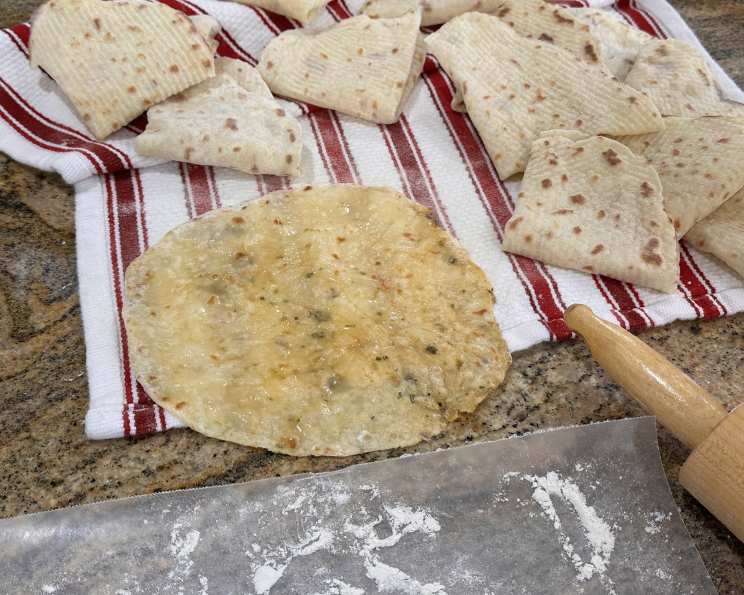
Potato Lefse: A Taste of Heritage
The scent of lefse always transports me back to my grandmother’s kitchen. I remember standing on a stool, mesmerized as she deftly rolled out paper-thin circles of potato dough. The rhythmic thump of the rolling pin, the dusting of flour that seemed to snow across the counter, and the comforting warmth radiating from the griddle – these are the sensory memories woven into every bite of this treasured family recipe. It wasn’t just food; it was a connection to our Norwegian roots, a tangible link to generations past. And now, I’m excited to share this piece of my heritage with you.
Recipe Overview
- Prep Time: 30 minutes
- Cook Time: 45 minutes
- Total Time: 1 hour 15 minutes
- Servings: 24
- Yield: 24 pieces
- Dietary Type: Vegetarian
Ingredients
- 2 1/2 lbs russet potatoes, peeled and cut in half
- 2 tablespoons butter (room temperature)
- 1/4 cup milk
- 1 teaspoon salt
- 2 cups all-purpose flour, plus additional flour for rolling and dusting
Equipment Needed
- Large pot
- Potato ricer
- Heavy-duty electric mixer
- Rolling pin
- Electric griddle or frying pan
- Spatula
- Wire rack
Instructions
-
Begin by preparing the potatoes. Place the peeled and halved russet potatoes in a large pot, cover with cold water, and bring to a boil. Cook until the potatoes are tender, about 15-20 minutes. A fork should easily pierce through them.
-
Once tender, drain the potatoes thoroughly. Return them to the pot and place the pot over low heat. Stir the potatoes constantly for a few minutes to dry them out, being careful not to brown them. This step is crucial for removing excess moisture and achieving the right texture.
-
Remove the potatoes from the heat and mash them using a potato ricer. A potato ricer ensures a smooth, lump-free consistency, which is essential for making pliable lefse. Transfer the riced potatoes to the bowl of a heavy-duty electric mixer.
-
Add the remaining ingredients to the bowl: 2 tablespoons of room temperature butter, 1/4 cup of milk, and 1 teaspoon of salt. Mix well with the electric mixer until the ingredients are fully incorporated.
-
Gradually add 2 cups of all-purpose flour to the potato mixture, blending until a non-sticky dough forms. The dough should be soft and easy to handle, but not overly sticky.
-
Turn the dough out onto a lightly floured surface. Knead it gently for a minute or two to form a smooth log. Divide the log into 24 equal pieces.
-
On a well-floured surface, roll each piece of dough into an 8-10 inch circle. Turn the lefse frequently as you roll it, and keep it well-coated with flour to prevent sticking. This is where practice makes perfect; aim for thin, even circles.
-
Preheat an electric griddle or frying pan to 375 degrees Fahrenheit (190 degrees Celsius). Alternatively, use a griddle or frying pan over medium heat on the stovetop. Lightly grease the surface with oil.
-
Shake off any excess flour from each circle of lefse before placing it onto the preheated griddle or pan.
-
Cook the lefse until it starts to bubble and the bubbles are lightly browned, approximately 1 1/2 minutes.
-
Using a spatula, carefully flip the lefse and cook the other side until it is also lightly browned.
-
As the lefse are cooked, stack them on a wire rack to cool slightly, or wrap them in foil and keep them warm in a 200 degree Fahrenheit (93 degrees Celsius) oven.
-
If desired, freeze the lefse for later use. They can be quickly reheated in a frying pan or on the griddle.
Expert Tips & Tricks
- Potato Perfection: The type of potato matters! Russet potatoes are ideal because of their high starch content, which contributes to the right texture.
- Ricing is Key: Don’t skip the potato ricer! It makes a world of difference in achieving a smooth dough.
- Flour Sparingly: Resist the urge to add too much flour while rolling. The dough is delicate, but the less flour you use, the more tender the lefse will be.
- Griddle Temperature: Watch the heat carefully. If the griddle is too hot, the lefse will burn before it cooks through.
- Rolling Technique: Practice makes perfect. Don’t be discouraged if your first few attempts aren’t perfectly round.
Serving & Storage Suggestions
Serve lefse warm, traditionally spread with butter and sprinkled with sugar. Other popular toppings include cinnamon sugar, brown sugar, lingonberry jam, or even savory spreads like cream cheese and smoked salmon.
Store leftover lefse in an airtight container at room temperature for up to 2 days, or in the refrigerator for up to a week. For longer storage, freeze the lefse in a freezer-safe bag or container for up to 3 months. Reheat frozen lefse in a frying pan or on the griddle until warmed through.
Nutritional Information
| Nutrient | Amount per Serving | % Daily Value |
|---|---|---|
| Calories | 84 kcal | 4% |
| Total Fat | 1.2g | 2% |
| Saturated Fat | 0.7g | 4% |
| Cholesterol | 2.9mg | 1% |
| Sodium | 108mg | 5% |
| Total Carbohydrate | 16.3g | 6% |
| Dietary Fiber | 1.3g | 5% |
| Sugars | 0.4g | 1% |
| Protein | 2.1g | 4% |
Note: Nutritional information is an estimate and may vary based on specific ingredients and preparation methods.
Variations & Substitutions
- Gluten-Free Lefse: Substitute the all-purpose flour with a gluten-free all-purpose flour blend. You may need to adjust the amount of flour to achieve the right consistency.
- Sweet Potato Lefse: Replace half of the russet potatoes with sweet potatoes for a slightly sweeter and vibrantly colored lefse.
- Dairy-Free Lefse: Use a plant-based butter alternative and non-dairy milk such as almond milk or soy milk.
- Savory Lefse: Omit the sugar and serve with savory fillings like dill cream cheese, smoked salmon, or shredded meats.
FAQs (Frequently Asked Questions)
Q: Why is my lefse dough sticky?
A: The dough is likely too wet. Try adding a tablespoon of flour at a time until it reaches a workable consistency. Remember to flour your rolling surface well.
Q: How do I prevent my lefse from sticking to the griddle?
A: Ensure your griddle is properly preheated and lightly greased. Also, shake off excess flour from the lefse before placing it on the griddle.
Q: Can I make the potato dough ahead of time?
A: Yes, you can make the potato dough a day ahead and store it in the refrigerator. Bring it to room temperature before rolling.
Q: What’s the best way to reheat frozen lefse?
A: Reheat frozen lefse directly on a preheated griddle or in a frying pan over medium heat until warmed through.
Q: My lefse are tearing when I roll them out. What am I doing wrong?
A: The dough might be too dry, or you might be rolling too aggressively. Try adding a tiny bit of milk to the dough to make it more pliable, and use gentle, even pressure when rolling.
Final Thoughts
Potato lefse is more than just a recipe; it’s a connection to heritage, a celebration of simple ingredients, and a delicious way to share a piece of history with family and friends. Don’t be intimidated by the process. Embrace the imperfections, savor the journey, and create your own memories with this cherished dish. I encourage you to try this recipe, experiment with different toppings, and share your own lefse-making adventures! And who knows, maybe you’ll start a new family tradition of your own. Skål!