
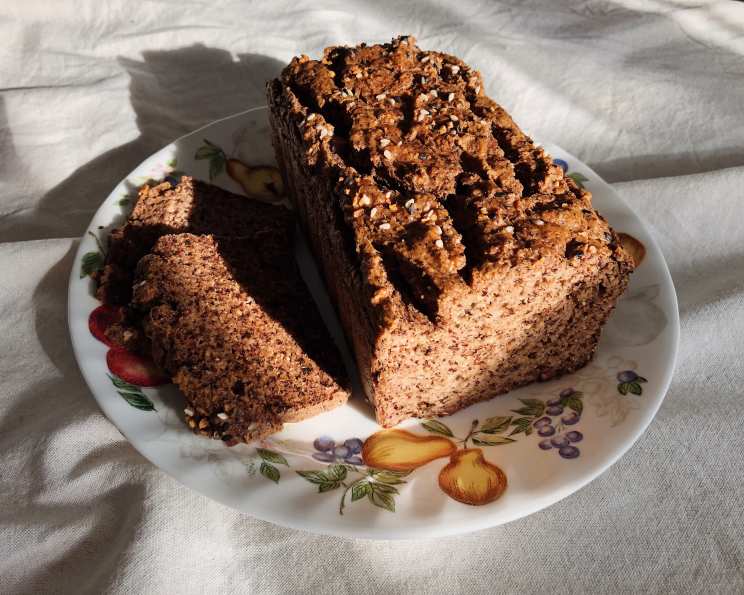
Protein Powerhouse: Baking a Better Bread with Almond, Coconut & Pea Protein
I remember my grandmother always having a loaf of bread on the counter, ready to be sliced and served with a pat of butter or a smear of homemade jam. The aroma of freshly baked bread was the heart of her kitchen, a warm and inviting scent that always felt like home. While I loved her traditional recipes, my own dietary needs have led me down a different path – a path that still celebrates the joy of baking but with a focus on maximizing protein and minimizing carbs. This almond, coconut, and pea protein bread is my way of paying homage to those cherished memories while nourishing my body with a healthy and satisfying alternative.
Recipe Overview
Here’s a quick look at what you can expect from this protein-packed bread:
- Prep Time: 15 minutes
- Cook Time: 30-40 minutes
- Total Time: 45-55 minutes
- Servings: 8
- Yield: 1 loaf (24 oz)
- Dietary Type: Low Carb, Gluten-Free
Ingredients
This recipe relies on a few key ingredients to create a delicious and nutritious loaf.
- 1 cup almond meal (blanched, 112g)
- 2 tablespoons coconut flour (15g)
- 3 tablespoons flax seed meal (19.5g)
- 66 g pea protein powder (unflavored – approximately 2 scoops, depending on your brand)
- 1⁄4 teaspoon sea salt
- 1 1⁄4 teaspoons baking soda
- 1 teaspoon xanthan gum
- 1 1⁄4 cups unsweetened coconut milk (300mL, from a carton, not the canned variety; I recommend So Delicious brand for its consistency)
- 3⁄4 cup liquid egg whites (about 190g, adjust slightly to achieve a thick pancake batter consistency)
- 1 tablespoon apple cider vinegar
Equipment Needed
You’ll need the following to bake this bread:
- Standard loaf pan
- Spray oil or parchment paper
- Mixing bowl
- Whisk
- Measuring cups and spoons
- Toothpick
Instructions
Follow these steps to create your own protein-rich loaf:
-
Preheat your oven to 375 degrees Fahrenheit (190 degrees Celsius). Grease a standard loaf pan with spray oil to prevent sticking. You can also line the pan with parchment paper, leaving some overhang for easy removal after baking.
-
In a large mixing bowl, whisk together the dry ingredients: almond flour, coconut flour, flaxseed meal, salt, baking soda, xanthan gum, and pea protein. Ensure all ingredients are evenly distributed to prevent clumping. The xanthan gum is important for binding the gluten-free ingredients and providing structure to the bread.
-
Add the wet ingredients: coconut milk, liquid egg whites, and apple cider vinegar. Mix until just combined. The batter should resemble a thick pancake batter. If the batter appears too thick, gradually add a little more coconut milk (one tablespoon at a time) until you reach the desired consistency. Don’t overmix, as this can result in a tough loaf.
-
Pour the batter into the prepared loaf pan, spreading it evenly.
-
Bake for 30 to 40 minutes, or until the top is golden brown and a toothpick inserted into the center comes out clean. Keep an eye on the bread during the last 10 minutes of baking to prevent over-browning. If the top is browning too quickly, tent the loaf with foil.
-
Remove the loaf from the oven and let it cool in the pan for about 10 minutes before transferring it to a wire rack to cool completely. This prevents the bread from becoming soggy.
-
Once cooled, slice and enjoy!
Expert Tips & Tricks
- Pea Protein Considerations: The type of pea protein you use can affect the texture. Some brands absorb more liquid than others. Adjust the amount of coconut milk accordingly to achieve the right batter consistency.
- Nut Allergy Alternative: While almond flour provides a great texture, you can experiment with sunflower seed flour for a nut-free option, though it may slightly alter the flavor and color.
- Flavor Boost: Add a teaspoon of vanilla extract or a dash of cinnamon to the batter for extra flavor. A handful of chopped nuts or seeds (sunflower, pumpkin, or chia) can also add a delightful crunch.
- Even Baking: To ensure even baking, rotate the loaf pan halfway through the baking time. This is especially helpful if your oven has hot spots.
- Loaf Pan Size: Using a different size loaf pan may affect the baking time. Adjust accordingly.
Serving & Storage Suggestions
This protein bread is delicious on its own, toasted, or used to make sandwiches. It pairs well with both sweet and savory toppings.
- Serving: Spread with avocado and a sprinkle of sea salt for a healthy breakfast. Use it to make a hearty turkey or chicken sandwich. Toast it and top with almond butter and berries for a satisfying snack.
- Storage: Store the cooled loaf in an airtight container at room temperature for up to 2 days. For longer storage, keep it in the refrigerator for up to a week. You can also freeze slices individually for up to 2 months. To thaw, simply let them sit at room temperature or toast them lightly. Reheating in the oven or a toaster oven is also an option.
Nutritional Information
Here’s an estimated nutritional breakdown per slice (based on 8 slices per loaf):
| Nutrient | Amount per Serving |
|---|---|
| Calories | 153 kcal |
| Fat | 10 g |
| Saturated Fat | 2 g |
| Carbohydrates | 5 g |
| Fiber | 3 g |
| Sugar | 0.7 g |
| Protein | 13 g |
| Sodium | 394 mg |
Variations & Substitutions
- Sweet Bread: Add 1-2 tablespoons of your favorite sugar substitute (erythritol, stevia, or monk fruit) for a sweeter loaf. Dried cranberries, blueberries, or chocolate chips can also be added.
- Savory Bread: Incorporate herbs like rosemary, thyme, or oregano for a savory twist. Sun-dried tomatoes, olives, or feta cheese can also be added to the batter.
- Dairy-Free Option: This recipe is already dairy-free since it uses coconut milk. Be sure to use dairy-free toppings as well.
- Egg-Free Variation: Substituting the egg whites is trickier, but you could try using a flax egg (1 tablespoon flaxseed meal mixed with 3 tablespoons water, let sit for 5 minutes) for each egg white. Note that this will alter the texture significantly and it may be necessary to reduce the liquid content.
FAQs (Frequently Asked Questions)
Q: Can I use canned coconut milk instead of carton coconut milk?
A: No, canned coconut milk is too thick and will result in a very dense loaf. The thinner consistency of coconut milk from a carton is crucial for the right batter consistency.
Q: My bread is too dry. What did I do wrong?
A: Over-baking is the most common cause of dry bread. Reduce the baking time slightly or tent the loaf with foil to prevent excessive browning. Also, ensure you are using the correct amount of liquid.
Q: Can I use a different type of protein powder?
A: While pea protein is recommended, you can experiment with other unflavored protein powders like whey or soy protein. However, keep in mind that each protein powder has different absorption properties, so you may need to adjust the liquid accordingly.
Q: Why is my bread so dense?
A: Make sure you are measuring your ingredients accurately, especially the coconut flour, which can absorb a lot of liquid. Also, ensure that your baking soda is fresh.
Q: How do I store this bread for longer periods?
A: For longer storage, slice the cooled bread and individually wrap the slices before freezing. This makes it easy to thaw only what you need.
Final Thoughts
This protein-packed almond and coconut flour bread is more than just a recipe; it’s a delicious and nutritious way to enjoy the simple pleasure of baking. Don’t be afraid to experiment with flavors and adapt the recipe to suit your own dietary needs and preferences. Baking is a journey, so embrace the process and enjoy the rewarding experience of creating something homemade and wholesome. I hope you enjoy this recipe as much as I do! Share your creations and feedback – I’d love to hear how it turns out for you.