
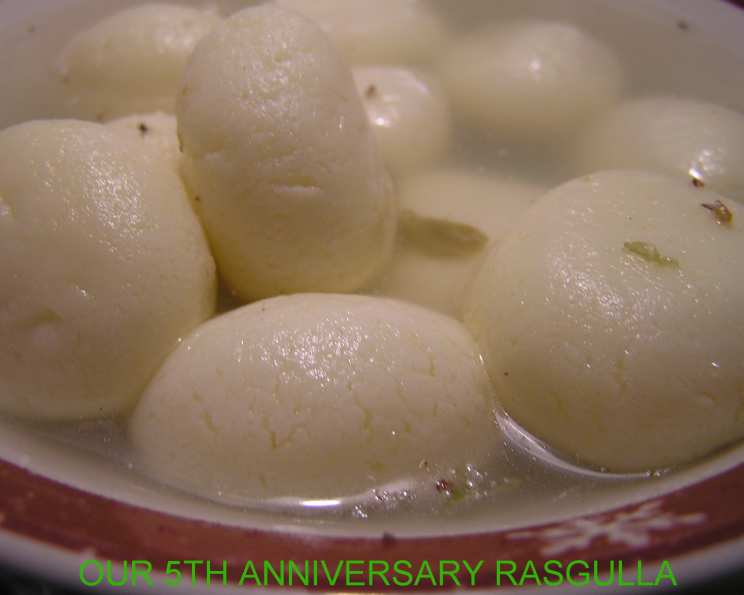
Rasagulla: Spongy Milk Balls in Rose-Scented Syrup
The memory of Rasagulla is forever etched in my childhood. During summer visits to my grandmother’s home, the air would be thick with the sweet, floral aroma of rose syrup. I remember peering into her kitchen, mesmerized as she gently coaxed the delicate milk balls in simmering sugar syrup, their transformation a magical spectacle. The first bite of a chilled Rasagulla, its spongy texture yielding to a burst of sweet, rose-infused nectar, was pure bliss. It was more than just a dessert; it was a symbol of love, tradition, and the warmth of family gatherings.
Recipe Overview
- Prep Time: 15 minutes
- Cook Time: 1 hour
- Total Time: 1 hour 15 minutes
- Servings: 4
- Yields: 2 sweet balls
- Dietary Type: Vegetarian
Ingredients
- 4 cups whole milk
- 1 ½ cups half-and-half (Do not exceed this limit)
- 3 tablespoons lemon juice
For the Sugar Syrup:
- 4 cups water
- 1 ½ cups sugar
- 2 tablespoons rose syrup
Equipment Needed
- Large pot or Dutch oven
- Cheesecloth
- Heavy object for pressing (e.g., a large can or small pot filled with water)
- Pressure cooker or large saucepan
Instructions
-
In a large pot, combine the whole milk and half-and-half. Bring the mixture to a boil over medium heat, stirring occasionally to prevent scorching.
-
Once boiling, reduce the heat to low and slowly add the lemon juice, stirring gently until the milk curdles and separates into curds and whey. If the milk doesn’t curdle immediately, add a little more lemon juice, one teaspoon at a time, until it does.
-
Line a colander with cheesecloth. Pour the curdled milk mixture into the cheesecloth-lined colander to drain the whey.
-
Gather the edges of the cheesecloth and gently squeeze out as much excess water as possible.
-
Tie the cheesecloth into a bundle and place it under a heavy object (like a large can of beans or a small pot filled with water) to press out any remaining water. This process should take about 45 minutes. The longer you press, the firmer the chenna (fresh cheese) will be.
-
After 45 minutes, remove the chenna from the cheesecloth. The texture should be crumbly but slightly moist.
-
Now comes the most important part: kneading the chenna. Using your hands or a powerful mortar and pestle, rub and knead the chenna until it becomes smooth and pliable, almost like a soft dough. This step is crucial for achieving the soft, spongy texture of the Rasagulla. Aim for about 5-7 minutes of continuous kneading. If the mixture feels dry, sprinkle a tiny bit of milk to moisten it.
-
Once the chenna is smooth, divide it into small, walnut-sized portions. Gently roll each portion between your palms to form smooth, round balls. Make sure there are no cracks on the surface. This prevents them from breaking apart while cooking in the syrup.
-
Now, prepare the sugar syrup. In a pressure cooker or a large, deep saucepan, combine the water and sugar. Bring the mixture to a boil over medium heat, stirring until the sugar is completely dissolved.
-
Once the sugar syrup is boiling rapidly, gently drop the chenna balls into the syrup. Be careful not to overcrowd the pot; cook in batches if necessary.
-
If using a pressure cooker, close the lid (but do not put on the weight/whistle). Cook for 15 minutes on medium heat. Maintain a gentle pressure inside the cooker, but do not allow it to whistle. Adjust the heat as needed.
-
If using a saucepan, cover the pan and simmer the chenna balls in the boiling syrup for about 25 minutes on medium heat. Gently stir occasionally to ensure even cooking. The chenna balls will approximately double in size as they cook and absorb the syrup.
-
After the cooking time, turn off the heat and allow the Rasagulla to cool completely in the syrup. This allows them to absorb even more of the sweet liquid.
-
Once the Rasagulla is completely cool, gently stir in the rose syrup. The rose syrup adds a beautiful flavor and aroma to the dessert.
-
Transfer the Rasagulla and syrup to an airtight container and refrigerate for at least 2 hours before serving. Chilling enhances the flavor and texture.
NOTE: If you have access to fresh, unpasteurized milk, you can omit the half-and-half. However, in many regions like the USA, finding true fresh milk is difficult, so the half-and-half helps to create the necessary richness.
Expert Tips & Tricks
- Kneading is Key: The smoothness of the chenna is directly proportional to the softness of the Rasagulla. Don’t skimp on the kneading!
- Syrup Consistency: The sugar syrup should be thin, not thick. If it becomes too thick, add a little more water.
- Don’t Overcrowd: Cooking the Rasagulla in batches prevents overcrowding and ensures they cook evenly.
- Gentle Handling: Be extremely gentle when handling the chenna balls, especially when adding them to the hot syrup.
- Rose Water Variation: If you don’t have rose syrup, rose water is a great substitute. Just use about 1-2 teaspoons.
- Saffron Infusion: Add a pinch of saffron strands to the sugar syrup for a luxurious touch.
- Cardamom Flavor: Infuse the sugar syrup with a few crushed cardamom pods for a warm, aromatic flavor.
Serving & Storage Suggestions
Serve the Rasagulla chilled, garnished with chopped pistachios or a few strands of saffron. A small bowl of the syrup alongside is a nice touch. They can be stored in an airtight container in the refrigerator for up to a week. While they are best served chilled, they can be brought to room temperature briefly before serving if desired. Freezing is not recommended, as it can affect the texture.
Nutritional Information
| Nutrient | Amount per Serving | % Daily Value |
|---|---|---|
| Calories | 557.5 kcal | N/A |
| Calories from Fat | 165 g | 30% |
| Total Fat | 18.4 g | 28% |
| Saturated Fat | 11.1 g | 55% |
| Cholesterol | 58 mg | 19% |
| Sodium | 139.7 mg | 5% |
| Total Carbohydrate | 90.9 g | 30% |
| Dietary Fiber | 0.1 g | 0% |
| Sugars | 88.2 g | 352% |
| Protein | 10.6 g | 21% |
Variations & Substitutions
- Kesar Rasagulla: Add a pinch of saffron to the sugar syrup for a vibrant color and delicate flavor.
- Elaichi Rasagulla: Infuse the sugar syrup with crushed cardamom pods.
- Flavor Extracts: Experiment with other flavor extracts like almond or vanilla in the sugar syrup.
- Jaggery: You can substitute cane sugar with jaggery for a more rustic, earthy flavor to the syrup. Use an equal amount.
- Paneer: If you are comfortable making Paneer (Indian cheese) from scratch, this recipe will work wonderfully with it.
FAQs (Frequently Asked Questions)
Q: My Rasagulla are not spongy. What did I do wrong?
A: The most common cause of flat or dense Rasagulla is insufficient kneading of the chenna. Make sure to knead it until it’s completely smooth and pliable.
Q: Can I use store-bought paneer instead of making chenna?
A: While you can try, store-bought paneer is often too firm and dry. It’s best to make fresh chenna for the best results.
Q: My Rasagulla broke apart in the syrup. How can I prevent this?
A: Make sure the chenna balls are smooth and crack-free before adding them to the syrup. Also, avoid stirring them too vigorously while they’re cooking.
Q: Can I make Rasagulla without a pressure cooker?
A: Yes, you can make them in a regular saucepan. Simply simmer them in the boiling syrup for about 25 minutes, covered, on medium heat.
Q: How do I know when the Rasagulla are cooked through?
A: The Rasagulla are done when they have doubled in size and are soft and spongy to the touch. They should also bounce back slightly when gently pressed.
Final Thoughts
Rasagulla, with its delicate sweetness and ethereal texture, is a testament to the magic of simple ingredients transformed by careful technique. Don’t be intimidated by the process; with a little patience and attention to detail, you can recreate this classic Indian dessert in your own kitchen. I encourage you to give it a try and experience the joy of sharing these spongy, rose-scented milk balls with your loved ones. Let me know how your Rasagulla turn out, and feel free to pair them with a cup of masala chai for the ultimate indulgence!