
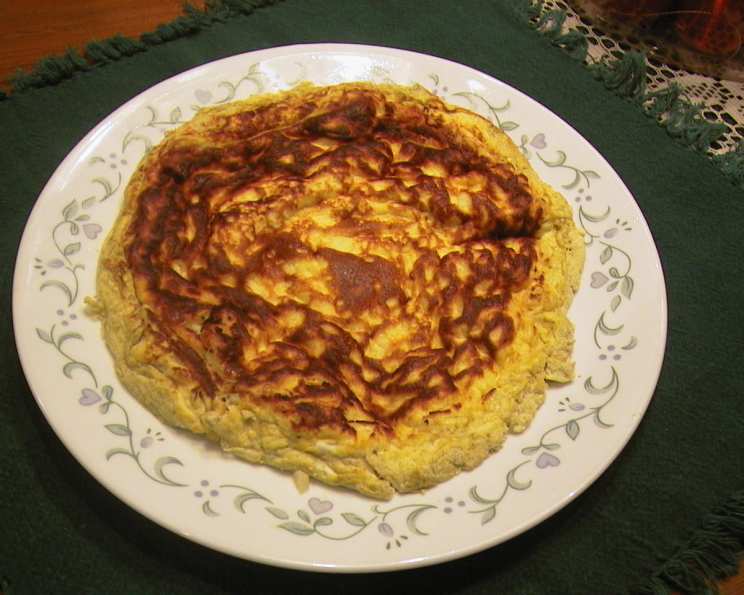
Ricotta Frittata: A Taste of Italian Sunshine
The scent of marjoram always transports me back to my Nonna Emilia’s kitchen, a sun-drenched room in a small village outside of Florence. She would hum softly as she whisked eggs with ricotta, the aroma of garlic and herbs filling the air. This frittata, a simple yet elegant dish, was a staple at our family table, a testament to the beauty of Italian cooking: fresh, flavorful, and always made with love. It wasn’t just food; it was a moment of connection, a warm embrace on a plate.
Recipe Overview
- Prep Time: 10 minutes
- Cook Time: 12 minutes
- Total Time: 22 minutes
- Servings: 6
- Yield: 1 frittata
- Dietary Type: Low Carb
Ingredients
- 6 eggs
- Salt, to taste (approximately 3/4 teaspoon)
- White pepper, to taste
- 1 cup ricotta cheese
- 1/4 cup freshly grated Parmesan cheese
- 1 1/2 tablespoons chopped marjoram
- 1 clove garlic, crushed
- 1 tablespoon olive oil, mixed with 1 teaspoon melted butter
Equipment Needed
- 8- or 10-inch skillet (oven-safe preferred)
- Whisk
- Measuring cups and spoons
- Plate
Instructions
-
Begin by preheating your broiler. Ensure that your oven rack is positioned correctly for broiling – usually about 6-8 inches from the heating element.
-
In a medium bowl, crack the eggs. Add 3/4 teaspoon of salt and white pepper to taste. Whisk vigorously until the eggs are well combined and slightly frothy. This incorporates air, which contributes to a lighter, more tender frittata.
-
Add the ricotta cheese, Parmesan cheese, chopped marjoram, and crushed garlic to the egg mixture. Stir gently until all ingredients are evenly distributed. Be careful not to overmix, as this can make the frittata tough.
-
In an 8- or 10-inch skillet, heat the olive oil mixed with melted butter over medium heat. The combination of oil and butter adds richness and prevents sticking. Ensure the skillet is hot before adding the egg mixture. If you don’t have an oven-safe skillet, you can carefully transfer the frittata to a baking dish for the broiling step.
-
Pour the egg mixture into the hot skillet. Reduce the heat to low. This allows the frittata to cook gently and evenly without burning the bottom.
-
Cook the frittata on low heat until it is mostly set, which should take approximately 12 minutes. The edges should be firm, and the center should still be slightly soft but not liquid. Gently lift the edges of the frittata with a spatula to ensure it isn’t sticking to the pan.
-
Once the frittata is mostly set, carefully place the skillet under the preheated broiler. Broil for a few minutes, watching closely, until the top is lightly browned and cooked through. Broiling adds a beautiful golden crust to the frittata. Be careful not to over-broil, as this can make it dry.
-
Once the frittata is done, remove it from the broiler and let it cool for a minute or two in the skillet.
-
To serve, gently slide the frittata onto a plate. Cut into wedges and serve warm or at room temperature.
Expert Tips & Tricks
- Cheese Selection: Use high-quality ricotta cheese for the best flavor and texture. Freshly grated Parmesan cheese is also recommended over pre-grated, as it melts more smoothly.
- Herb Infusion: For a more intense herb flavor, gently sauté the marjoram in the oil and butter before adding the egg mixture. This releases the essential oils of the herb.
- Even Cooking: To ensure even cooking, use a skillet with a heavy bottom that distributes heat evenly.
- Prevent Sticking: To prevent the frittata from sticking to the skillet, use a non-stick skillet or grease the bottom and sides of the skillet well with butter or oil.
- Test for Doneness: Insert a toothpick into the center of the frittata. If it comes out clean, the frittata is done.
- Flavor Boost: Add a pinch of red pepper flakes to the egg mixture for a subtle kick.
- Make-Ahead Option: The frittata can be made ahead of time and reheated. Store it in the refrigerator and reheat in the oven or microwave until warmed through.
Serving & Storage Suggestions
Serve the ricotta frittata warm or at room temperature. It’s delicious on its own or paired with a simple green salad, a side of roasted vegetables, or crusty bread. Leftover frittata can be stored in an airtight container in the refrigerator for up to 3 days. To reheat, warm it gently in the oven at 350°F (175°C) or in the microwave. The frittata is best enjoyed fresh, but it can also be frozen for longer storage. Wrap individual slices tightly in plastic wrap and then place them in a freezer bag. Frozen frittata can be stored for up to 2 months. Thaw in the refrigerator overnight before reheating.
Nutritional Information
| Nutrient | Amount per Serving | % Daily Value |
|---|---|---|
| Calories | 285 kcal | N/A |
| Calories from Fat | 194 g | N/A |
| Total Fat | 21.6 g | 33% |
| Saturated Fat | 9.6 g | 47% |
| Cholesterol | 356.6 mg | 118% |
| Sodium | 259.7 mg | 10% |
| Total Carbohydrate | 3.3 g | 1% |
| Dietary Fiber | 0.3 g | 1% |
| Sugars | 0.8 g | N/A |
| Protein | 18.9 g | 37% |
Variations & Substitutions
- Vegetarian Delight: Add chopped vegetables such as spinach, mushrooms, bell peppers, or zucchini to the egg mixture. Sauté the vegetables before adding them to the eggs to remove excess moisture.
- Meat Lover’s Frittata: Incorporate cooked bacon, sausage, or ham into the egg mixture.
- Herbed Frittata: Experiment with different herbs such as basil, parsley, or thyme. Use fresh herbs for the best flavor.
- Spicy Frittata: Add a pinch of red pepper flakes or a dash of hot sauce to the egg mixture for a spicy kick.
- Cheese Variations: Substitute the Parmesan cheese with Pecorino Romano or Asiago cheese for a different flavor profile.
- Dairy-Free Option: While ricotta is essential to this dish’s character, you could try substituting it with a blended cashew cream for a vegan version, though the taste will be different.
- Seasonal Adaptation: In the fall, try adding roasted butternut squash or pumpkin to the frittata. In the spring, asparagus or peas would be delicious additions.
FAQs (Frequently Asked Questions)
Q: Can I use dried marjoram instead of fresh?
A: While fresh marjoram is preferred for its vibrant flavor, you can substitute it with dried marjoram. Use about 1 teaspoon of dried marjoram for every 1 1/2 tablespoons of fresh marjoram.
Q: Can I make this frittata without Parmesan cheese?
A: Yes, you can omit the Parmesan cheese if you prefer, or substitute it with another hard cheese such as Pecorino Romano.
Q: How do I prevent the frittata from sticking to the skillet?
A: Use a non-stick skillet or grease the bottom and sides of the skillet well with butter or oil before adding the egg mixture.
Q: Can I add other vegetables to this frittata?
A: Absolutely! Feel free to add your favorite vegetables, such as spinach, mushrooms, or bell peppers. Sauté them lightly before adding them to the egg mixture to remove excess moisture.
Q: Can I freeze the frittata?
A: Yes, you can freeze the frittata for longer storage. Wrap individual slices tightly in plastic wrap and then place them in a freezer bag. Thaw in the refrigerator overnight before reheating.
Final Thoughts
This ricotta frittata is more than just a recipe; it’s an invitation to slow down, savor simple pleasures, and connect with the flavors of Italy. Don’t be afraid to experiment with different herbs, cheeses, and vegetables to create your own signature version. Whether you’re serving it for brunch, lunch, or dinner, this frittata is sure to bring a taste of sunshine to your table. Enjoy, and buon appetito!