
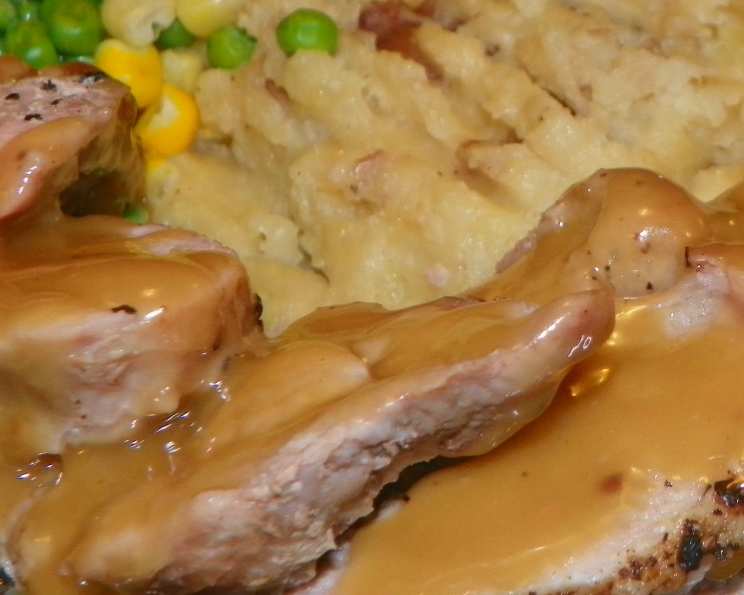
Roast Pork Tenderloin With Apple Cider Cream Sauce
The first time I tasted pork tenderloin with apple cider cream sauce, it was a crisp autumn evening at a small farm-to-table restaurant nestled in the rolling hills of upstate New York. The air was thick with the scent of woodsmoke and fallen leaves, and the dish, presented with a flourish by the chef himself, seemed to capture the very essence of the season. The sweetness of the apples, the savory richness of the pork, and the silky smooth sauce created a symphony of flavors that danced on my tongue. That meal sparked a lifelong love affair with this incredible combination, and I’ve been perfecting my own version ever since.
Recipe Overview
- Prep Time: 10 minutes
- Cook Time: 25 minutes
- Total Time: 35 minutes
- Servings: 4
- Dietary Type: Gluten-Free
Ingredients
- 1 (1 lb) pork tenderloin (about 1 pound)
- 1 cup apple cider or 1 cup apple juice
- 1/2 cup heavy cream
- 2 tablespoons cold butter
- 1 tablespoon brown sugar (optional)
- Salt & pepper
Equipment Needed
- Baking pan
- Nonstick spray
- Meat thermometer
- Cutting board
- Stovetop or skillet
Instructions
-
Preheat your oven to 450 degrees Fahrenheit. This high heat helps to quickly sear the pork tenderloin, locking in the juices.
-
Season the pork tenderloin generously with salt and pepper. Don’t be shy – proper seasoning is key to a flavorful final dish.
-
Spray a baking pan with nonstick spray. This ensures the pork tenderloin doesn’t stick and makes cleanup a breeze. Place the pork in the prepared pan.
-
Bake for 20 minutes, or until a meat thermometer registers 155 to 160 degrees Fahrenheit. Insert the thermometer into the thickest part of the pork for an accurate reading. Remember that the internal temperature will continue to rise slightly as the pork rests.
-
Remove the pork from the oven and place it on a cutting board. Tent it loosely with foil to allow it to rest. This resting period is crucial for the juices to redistribute throughout the pork, resulting in a more tender and flavorful final product.
-
Pour the apple cider (or apple juice) into the baking pan. Use a spatula or spoon to scrape any browned bits from the bottom of the pan. These browned bits, also known as fond, are packed with flavor and will add depth to your sauce.
-
Put the baking pan on the stove over medium-high heat (or pour the pan drippings and cider into a skillet if your baking pan isn’t stovetop-safe).
-
Stirring occasionally, let the apple cider boil until it is reduced to 1/4 cup. It will become quite dark and syrupy. This reduction process concentrates the apple flavor and creates a base for the cream sauce.
-
Add the heavy cream and brown sugar (if using) to the reduced apple cider. Bring the mixture to a boil and cook for 5 minutes, or until the sauce is very thick and coats the back of a spoon. Keep a close eye on it to prevent scorching.
-
Remove the pan from the heat. Add 1 tablespoon of cold butter and beat vigorously as it melts into the sauce. This adds richness and shine to the sauce.
-
Add the second tablespoon of cold butter and beat until it melts completely. The cold butter, whisked in at the end, emulsifies the sauce, creating a velvety smooth texture.
-
To serve, slice the pork tenderloin thinly and drizzle generously with the apple cider cream sauce. Pass extra sauce in a gravy boat, if desired, for those who want even more of that delicious flavor.
Expert Tips & Tricks
- Sear the Pork: For an even more flavorful and attractive presentation, sear the pork tenderloin in a hot skillet with a little oil before baking. This creates a beautiful crust that adds texture and depth of flavor.
- Use High-Quality Apple Cider: The quality of your apple cider will directly impact the flavor of the sauce. Look for a cider that is rich and flavorful, not overly sweet.
- Don’t Overcook: Pork tenderloin is best served medium-rare to medium. Overcooking will result in dry, tough meat. Use a meat thermometer to ensure you cook it to the perfect internal temperature (155-160°F).
- Deglaze with Wine: For an extra layer of flavor, deglaze the pan with a splash of dry white wine before adding the apple cider.
- Add Aromatics: Consider adding fresh herbs like thyme or rosemary to the sauce for a more complex flavor profile.
Serving & Storage Suggestions
This Roast Pork Tenderloin with Apple Cider Cream Sauce is best served immediately after cooking. The sauce is at its peak flavor and texture when freshly made. Serve it with mashed potatoes, roasted root vegetables, or a simple green salad for a complete and satisfying meal.
Leftover pork tenderloin can be stored in an airtight container in the refrigerator for up to 3 days. The sauce can also be stored separately in the refrigerator for up to 2 days. Reheat the pork gently in a low oven or microwave. Reheat the sauce in a saucepan over low heat, adding a splash of cream or broth if needed to thin it out. Freezing is not recommended as the sauce may separate upon thawing.
Nutritional Information
| Nutrient | Amount per Serving | % Daily Value |
|---|---|---|
| Calories | 350 kcal | 18% |
| Total Fat | 20g | 31% |
| Saturated Fat | 12g | 60% |
| Cholesterol | 130mg | 43% |
| Sodium | 130mg | 5% |
| Total Carbohydrate | 1g | 0% |
| Dietary Fiber | 0g | 0% |
| Sugars | 0g | 0% |
| Protein | 25g | 50% |
Variations & Substitutions
- Apple Juice Substitution: If apple cider isn’t readily available, apple juice works well. Just be mindful that it may be sweeter, so adjust the brown sugar accordingly.
- Dairy-Free Option: For a dairy-free version, substitute the heavy cream with full-fat coconut milk. The sauce will have a slightly different flavor, but it will still be delicious.
- Spice It Up: Add a pinch of red pepper flakes to the sauce for a touch of heat.
- Different Herbs: Experiment with different herbs like sage or marjoram in the sauce.
- Sweet Potato Mash: Serve over sweet potato mash, instead of traditional potatoes.
FAQs (Frequently Asked Questions)
Q: Can I use bone-in pork chops instead of pork tenderloin?
A: While you can, the cooking time will need to be adjusted significantly. Pork chops are generally thicker and will take longer to cook through. Also, pork chops can become dry more easily than tenderloin.
Q: How do I prevent the sauce from separating?
A: Be sure to use cold butter and whisk it vigorously into the sauce at the end. This helps to emulsify the sauce and prevent it from separating. Also, avoid boiling the cream sauce for too long, as this can cause it to break.
Q: Can I make the sauce ahead of time?
A: The sauce is best made fresh, but you can prepare it a few hours ahead of time and reheat it gently over low heat just before serving. You may need to add a splash of cream or broth to thin it out.
Q: What is the safe internal temperature for pork?
A: The USDA recommends cooking pork to an internal temperature of 145°F, followed by a 3-minute rest. However, for pork tenderloin, many chefs prefer to cook it to 155-160°F, as it will continue to cook slightly as it rests.
Q: What if I don’t have a meat thermometer?
A: While a meat thermometer is the most accurate way to determine doneness, you can also use the touch test. The pork should feel firm but slightly springy to the touch. If it feels very firm or hard, it is likely overcooked.
Final Thoughts
I hope you enjoy this recipe for Roast Pork Tenderloin with Apple Cider Cream Sauce as much as I do. It’s a dish that’s perfect for a cozy weeknight dinner or a special occasion. Don’t be afraid to experiment with different variations and make it your own. And please, share your feedback – I’d love to hear how it turns out for you! This dish pairs beautifully with a crisp Riesling or a dry hard cider. Happy cooking!