
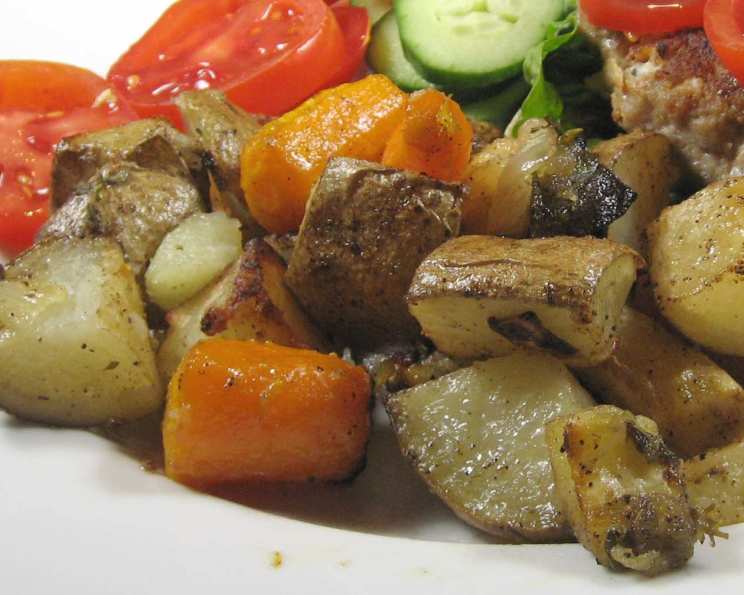
Roasted Winter Root Vegetables: A Culinary Embrace of the Season
The first whiff of woodsmoke in the autumn air always sends me straight to the market, craving the earthy sweetness of root vegetables. It’s a sensory trigger, whisking me back to my grandmother’s kitchen, where the scent of roasting parsnips and carrots mingled with the comforting aroma of her wood-burning stove. Her simple, honest cooking celebrated the humble ingredients of the season, transforming them into something truly special. This recipe, a slightly elevated take on her classic, is my attempt to capture that magic and share it with you.
Recipe Overview
- Prep Time: 20 minutes
- Cook Time: 50 minutes
- Total Time: 1 hour 10 minutes
- Servings: 4-6
- Yield: Variable, depending on vegetable size
- Dietary Type: Vegan, Gluten-Free, Dairy-Free
Ingredients
- 1 medium rutabaga, peeled and cut into cubes
- 2 large carrots, peeled and cut into pieces approximately the same size as the rutabaga cubes
- 2 large parsnips, peeled and cut the same size as the carrots
- 7-8 shallots, peeled
- 6 cloves garlic, peeled
- 3 sprigs fresh thyme
- 1 sprig fresh rosemary
- 3 tablespoons olive oil
- Kosher salt, to taste
- Fresh ground black pepper, to taste
- 2 tablespoons water
Equipment Needed
- Large sheet pan
- Aluminum foil
- Large bowl
Instructions
-
Preheat your oven to 400 degrees Fahrenheit (200 degrees Celsius). Ensure your oven rack is positioned in the center.
-
Line a large sheet pan with aluminum foil. This makes cleanup a breeze.
-
In a large bowl, gently toss the prepared rutabaga, carrots, and parsnips with the thyme, rosemary, olive oil, salt, and pepper. Be generous with the seasoning – root vegetables can handle it. Make sure all the vegetables are evenly coated with oil and spices.
-
Add the whole, peeled shallots and garlic cloves to the bowl and toss again, ensuring they are also coated.
-
Pour the vegetable mixture onto the prepared sheet pan. Spread them out in a single layer to promote even roasting. Overcrowding the pan will cause the vegetables to steam instead of roast, resulting in a less desirable texture.
-
Pour the water into the pan. The water will create steam, which helps to soften the vegetables initially.
-
Cover the sheet pan tightly with aluminum foil. This creates a steamy environment that helps the root vegetables cook through evenly.
-
Bake in the preheated oven for approximately 30 minutes.
-
Carefully remove the foil from the pan. Be cautious of the escaping steam.
-
Continue to roast the vegetables, stirring once halfway through, until they are softened and beginning to brown. This should take approximately another 20 minutes. Keep a close eye on them to prevent burning, especially towards the end of the roasting time. The natural sugars in the vegetables will caramelize, creating a delicious, slightly sweet flavor.
-
The vegetables are done when they are easily pierced with a fork and have a beautiful golden-brown color.
-
Serve warm.
Expert Tips & Tricks
- For extra flavor, try adding a drizzle of balsamic glaze during the last few minutes of roasting. This adds a touch of sweetness and acidity that complements the earthy vegetables.
- Don’t be afraid to experiment with different herbs. Sage, oregano, or even a pinch of red pepper flakes can add a unique twist.
- If you’re short on time, you can peel and chop the vegetables a day ahead and store them in the refrigerator in an airtight container filled with water to prevent them from drying out. Just be sure to drain them well before roasting.
- To avoid uneven cooking, cut the vegetables into uniform sizes. This ensures that everything cooks at the same rate.
- If you notice the vegetables are browning too quickly, you can lower the oven temperature slightly and continue roasting until they are tender.
Serving & Storage Suggestions
Roasted root vegetables are a versatile side dish that pairs well with a variety of main courses. Serve them alongside roasted chicken, pork, or beef. They are also a delicious addition to vegetarian meals, such as grain bowls or salads.
Leftovers can be stored in an airtight container in the refrigerator for up to 3 days. To reheat, simply spread the vegetables on a baking sheet and warm them in a preheated oven at 350 degrees Fahrenheit (175 degrees Celsius) until heated through. You can also reheat them in a skillet over medium heat, stirring occasionally.
I don’t recommend freezing them, as the texture can become mushy after thawing.
Nutritional Information
| Nutrient | Amount per Serving | % Daily Value |
|---|---|---|
| Calories | 170.9 kcal | N/A |
| Calories from Fat | N/A | 55% |
| Total Fat | 10.5 g | 16% |
| Saturated Fat | 1.4 g | 7% |
| Cholesterol | 0 mg | 0% |
| Sodium | 49.5 mg | 2% |
| Total Carbohydrate | 18.7 g | 6% |
| Dietary Fiber | 3.5 g | 14% |
| Sugars | 7.2 g | 28% |
| Protein | 2.6 g | 5% |
Variations & Substitutions
- For a sweeter flavor, add a drizzle of maple syrup or honey to the vegetables during the last few minutes of roasting.
- Substitute other root vegetables such as sweet potatoes, celeriac, or turnips.
- Add other vegetables such as Brussels sprouts, red onion, or bell peppers.
- For a spicier version, add a pinch of red pepper flakes or a dash of hot sauce.
FAQs (Frequently Asked Questions)
Q: Can I use dried herbs instead of fresh?
A: Yes, you can substitute dried herbs, but use about one-third of the amount called for in the recipe. Dried herbs have a more concentrated flavor.
Q: Do I need to peel the garlic?
A: Yes, you should peel the garlic. The papery skin can become bitter during roasting.
Q: Can I add other spices to the vegetables?
A: Absolutely! Feel free to experiment with different spices such as cumin, coriander, or smoked paprika.
Q: How do I know when the vegetables are done?
A: The vegetables are done when they are easily pierced with a fork and have a golden-brown color.
Q: Can I roast the vegetables at a higher temperature to speed up the cooking time?
A: While you can roast them at a higher temperature, keep a close eye on them to prevent burning. I recommend keeping it at 400F for best results.
Final Thoughts
This recipe is more than just a way to cook vegetables; it’s a celebration of the season’s bounty. I hope you enjoy this simple yet satisfying dish as much as I do. Feel free to experiment with different variations and substitutions to make it your own. And most importantly, share it with the people you love.