
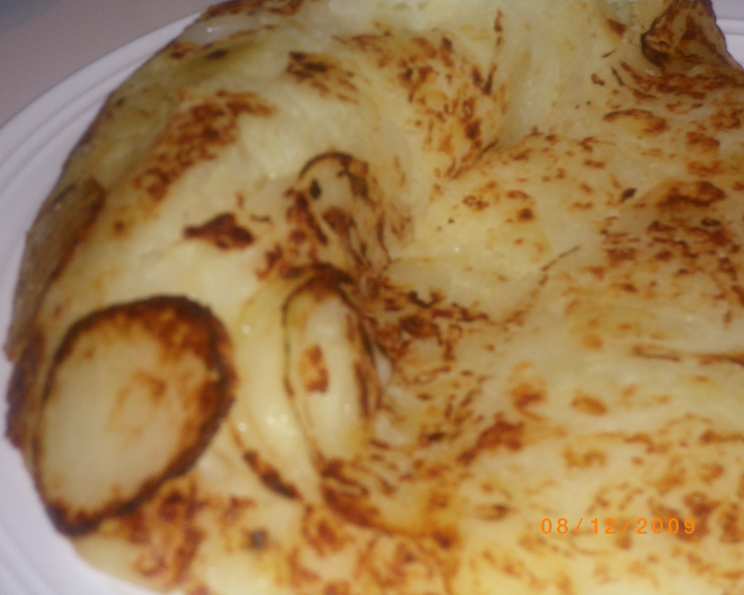
Rösti: A Swiss Classic
The scent of butter sizzling in a pan, mingled with the earthy aroma of grated potatoes, always takes me back to a tiny, sun-drenched chalet in the Swiss Alps. I was a young culinary student, mesmerized as an old woman, her face etched with the wisdom of generations, effortlessly crafted rösti over a wood-burning stove. The crispy, golden crust and the tender, savory interior were a revelation – simple ingredients transformed into something truly extraordinary. To this day, that memory fuels my passion for sharing the comforting magic of rösti.
Recipe Overview
- Prep Time: 15 minutes
- Cook Time: 15 minutes
- Total Time: 30 minutes
- Servings: 4
- Dietary Type: Vegetarian, Gluten-Free
Ingredients
- 2 1/4 lbs (1kg) potatoes, boiled in their jackets the day before
- 2-3 tablespoons butter (a must)
- 1-2 medium onion
- Salt
Equipment Needed
- Large non-stick frying pan
- Serving platter
- Coarse grater
Instructions
- Start by peeling the cooked potatoes. It’s easiest to do this when they are still slightly warm, but not hot enough to burn you.
- Grate the potatoes through a coarse grater into a large bowl. This will give the rösti its characteristic rustic texture.
- Slice the onions into thin wedges or half-moons. The thinner the slices, the more evenly they will cook and meld into the rösti.
- Place the non-stick frying pan over medium heat and melt the butter. Make sure the pan is large enough to accommodate all of the grated potatoes in a single layer. The butter is essential for creating the crispy golden crust that rösti is famous for.
- Add the sliced onions to the melted butter and sweat them until they become glassy and transparent. This usually takes about 5-7 minutes. Don’t rush this step; softened onions provide a subtle sweetness that balances the earthiness of the potatoes.
- Add the grated potatoes and salt to the pan with the softened onions. Stir everything together gently, ensuring that the potatoes are evenly coated with the butter and onions.
- Fry, while stirring occasionally, for about 3 to 5 minutes. This helps to heat the potatoes evenly and begin the browning process.
- Now, reduce the heat to medium-low. Press the potato mixture together to form a flat cake that covers the entire surface of the pan. You can use a spatula or the back of a spoon to gently but firmly compress the rösti.
- Fry over medium-low heat until there is a golden crust on the bottom. This will take approximately 8-10 minutes. Resist the urge to move the rösti around during this time; allowing it to sit undisturbed is crucial for developing a beautiful, even crust. You can check the bottom by gently lifting an edge with a spatula.
- Once the bottom crust is golden brown and crispy, place a serving platter on top of the pan. Carefully but swiftly, invert the pan, so the rösti falls onto the platter with the crust facing up.
- Serve immediately. The crispy crust is best enjoyed fresh out of the pan!
Expert Tips & Tricks
- Use day-old potatoes: This is crucial for rösti’s texture. Freshly boiled potatoes will be too moist and result in a soggy rösti. The chilling process allows the potatoes to dry out slightly, leading to a crispier final product.
- Don’t overwork the potatoes: Avoid stirring the potatoes too much after they’ve been grated. Over-mixing can release excess starch, which can make the rösti gluey.
- Adjust the salt to your taste: Potatoes can absorb a lot of salt, so don’t be afraid to season generously.
- Clarified Butter: For an even crispier crust, use clarified butter or ghee. The removal of milk solids allows for a higher smoking point and deeper browning.
- Crispness Check: Listen for the sizzle! A strong, consistent sizzle indicates that the rösti is cooking properly and developing a good crust. A quiet pan suggests the heat is too low.
Serving & Storage Suggestions
Rösti is best served immediately while the crust is still crispy and the inside is tender. It makes a fantastic side dish for sausages, grilled meats, fried eggs, or even a simple green salad.
Leftover rösti can be stored in an airtight container in the refrigerator for up to 2 days. To reheat, pan-fry it in a little butter until heated through and the crust is crisp again. While rösti can be frozen, the texture may suffer slightly upon thawing.
Nutritional Information
| Nutrient | Amount per Serving | % Daily Value |
|---|---|---|
| Calories | 350 kcal | 18% |
| Total Fat | 18g | 28% |
| Saturated Fat | 11g | 55% |
| Cholesterol | 50mg | 17% |
| Sodium | 200mg | 9% |
| Total Carbohydrate | 45g | 15% |
| Dietary Fiber | 5g | 20% |
| Sugars | 3g | – |
| Protein | 6g | 12% |
Note: Nutritional information is an estimate and may vary based on specific ingredients and portion sizes.
Variations & Substitutions
- Cheese Rösti: Add a handful of grated Gruyère or Emmental cheese to the potato mixture before frying for a cheesy twist.
- Herb Rösti: Incorporate fresh herbs like thyme, rosemary, or chives into the potato mixture for added flavor.
- Vegetable Rösti: Sauté other vegetables like mushrooms, peppers, or zucchini along with the onions for a more substantial dish.
- Sweet Potato Rösti: Substitute some or all of the potatoes with sweet potatoes for a sweeter and more colorful rösti.
- Vegan Rösti: Use plant-based butter or olive oil instead of dairy butter for a vegan version.
FAQs (Frequently Asked Questions)
Q: Why do I need to boil the potatoes the day before?
A: Boiling the potatoes a day in advance allows them to cool and dry out, which helps to create a crispier rösti. Freshly boiled potatoes contain too much moisture and will result in a soggy texture.
Q: Can I use a different type of potato?
A: Waxy potatoes like Yukon Gold or red potatoes work best for rösti, as they hold their shape well during cooking. Russet potatoes can be used, but they may require a bit more binding to prevent them from falling apart.
Q: How do I know when the rösti is done?
A: The rösti is done when the bottom crust is golden brown and crispy, and the potatoes are heated through. You can test for doneness by gently lifting an edge with a spatula and checking the color of the crust.
Q: My rösti is sticking to the pan. What am I doing wrong?
A: Make sure you’re using a non-stick frying pan and that you’re using enough butter. Also, avoid moving the rösti around too much while it’s cooking; allowing it to sit undisturbed is crucial for developing a good crust.
Q: Can I add garlic to the rösti?
A: Yes, you can add minced garlic to the pan along with the onions for added flavor. Just be careful not to burn the garlic.
Final Thoughts
Rösti is more than just a dish; it’s a culinary hug, a taste of tradition, and a reminder that the simplest ingredients, when treated with care, can create something truly special. I encourage you to try this recipe and experience the comforting magic of rösti for yourself. Share your creations with friends and family, and don’t be afraid to experiment with variations to make it your own. Perhaps a crisp, dry Swiss Fendant wine alongside will elevate the experience. Bon appétit!