
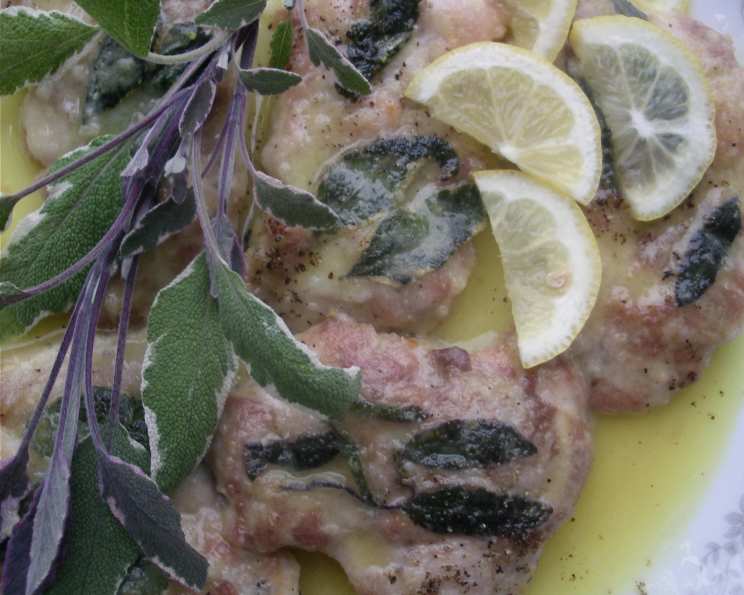
Sage and Lemon Chicken: A Symphony of Flavors
I remember the first time I made this dish. It was a frantic weeknight, and I needed something quick, healthy, and bursting with flavor. I threw together some chicken breasts, sage from my herb garden, and a lemon I had on hand. The result? Pure magic. The bright citrus notes danced with the earthy sage, creating a surprisingly elegant and comforting meal that has since become a staple in my kitchen. The aroma alone, filling the house with its savory and herbaceous perfume, is enough to transport me back to that first, unexpected culinary triumph.
Recipe Overview
- Prep Time: 10 minutes
- Cook Time: 15-20 minutes
- Total Time: 25-30 minutes
- Servings: 2
- Dietary Type: Gluten-Free (with gluten-free flour)
Ingredients
- 2 boneless, skinless chicken breast halves
- 4 large sage leaves or 6 small sage leaves
- 2 tablespoons flour (all-purpose or gluten-free blend)
- Salt and pepper, to taste
- 1 tablespoon olive oil
- 1 tablespoon lemon juice
- ¼ cup chicken broth
- 1 teaspoon unsalted butter
Equipment Needed
- Medium skillet
- Wax paper or plastic wrap
- Meat mallet or rolling pin
- Plate
Instructions
- Prepare the Chicken: Place the chicken breasts between sheets of wax paper or plastic wrap. Use a meat mallet or rolling pin to pound them to approximately ½ inch thickness. This ensures even cooking and tenderizes the meat.
- Infuse with Sage: Gently press 2 or 3 sage leaves onto the surface of each chicken breast. The warmth of the chicken will help the sage adhere and release its aromatic oils.
- Season and Dredge: On a plate, combine the flour, salt, and pepper to taste. Gently dust each chicken breast with the seasoned flour mixture, ensuring an even coating. This creates a light crust that will brown beautifully in the skillet.
- Sear the Chicken: Heat the olive oil in a medium skillet over medium-high heat. Once the oil is shimmering, carefully add the chicken breasts to the skillet, sage-side down.
- Brown and Flip: Brown the chicken for 3 to 5 minutes, until golden brown and slightly crispy. Then, carefully turn the chicken over and brown for another 3 minutes. Avoid overcrowding the pan, as this can lower the temperature and steam the chicken instead of searing it.
- Create the Sauce: Remove the chicken from the skillet and set aside on a plate. Pour off any excess fat from the skillet.
- Deglaze the Pan: Add the lemon juice and chicken broth to the skillet. Use a wooden spoon to scrape up any browned bits from the bottom of the pan. These browned bits, known as fond, are packed with flavor and will enrich the sauce. Simmer for a minute or two until slightly reduced.
- Simmer and Finish: Return the chicken to the skillet and simmer for 5 minutes, or until the chicken is heated through and cooked to an internal temperature of 165°F (74°C). Use a meat thermometer to ensure doneness.
- Plate and Garnish: Place the chicken breasts on two serving plates. Add the butter to the skillet and swirl to melt. This adds richness and a glossy sheen to the sauce.
- Spoon Sauce and Serve: Spoon the sauce generously over the chicken breasts and serve immediately.
Expert Tips & Tricks
- Pounding for Perfection: Pounding the chicken breasts not only ensures even cooking but also tenderizes the meat. Be gentle and avoid tearing the chicken.
- Sage Strategy: For a more intense sage flavor, try finely chopping some extra sage and adding it to the sauce during the last minute of cooking.
- Low-Sodium Option: Use low-sodium chicken broth and be mindful of the salt you add to the flour mixture to keep sodium levels in check.
- Don’t Overcook: Overcooked chicken is dry and tough. Use a meat thermometer to ensure it reaches 165°F (74°C) without exceeding it.
- Flavor Boost: A squeeze of fresh lemon juice right before serving brightens the flavors even further.
Serving & Storage Suggestions
Serve this Sage and Lemon Chicken immediately while it’s hot and the sauce is glossy. It pairs beautifully with roasted vegetables like asparagus or green beans, a simple salad, or a side of quinoa or rice.
Leftovers can be stored in an airtight container in the refrigerator for up to 3 days. To reheat, gently warm the chicken in a skillet over low heat with a splash of chicken broth to prevent it from drying out. You can also microwave it, but be careful not to overcook it. Freezing is not recommended as it can alter the texture of the chicken.
Nutritional Information
| Nutrient | Amount per Serving | % Daily Value |
|---|---|---|
| Calories | 250 kcal | 13% |
| Total Fat | 11g | 17% |
| Saturated Fat | 3g | 15% |
| Cholesterol | 75mg | 25% |
| Sodium | 200mg | 9% |
| Total Carbohydrate | 7g | 3% |
| Dietary Fiber | 1g | 4% |
| Sugars | 1g | 2% |
| Protein | 30g | 60% |
Variations & Substitutions
- Herbal Variations: Experiment with different herbs such as thyme, rosemary, or oregano for a unique flavor profile.
- Creamy Sauce: For a richer sauce, add a tablespoon of heavy cream or crème fraîche at the end.
- Wine Sauce: Replace the chicken broth with white wine for a more sophisticated flavor. Let the wine reduce slightly before returning the chicken to the pan.
- Dairy-Free Option: Use olive oil instead of butter to finish the sauce for a dairy-free version.
- Gluten-Free: Use a gluten-free all-purpose flour blend to dredge the chicken.
- Chicken Thighs: Boneless, skinless chicken thighs can be used as a substitute for chicken breasts. They will require a slightly longer cooking time.
FAQs (Frequently Asked Questions)
Q: Can I make this ahead of time?
A: You can pound and dredge the chicken ahead of time and store it in the refrigerator for up to 24 hours. However, it’s best to cook the chicken fresh for the best flavor and texture.
Q: How do I know when the chicken is cooked through?
A: The best way to check doneness is to use a meat thermometer. Insert the thermometer into the thickest part of the chicken breast. It should reach an internal temperature of 165°F (74°C).
Q: Can I use dried sage instead of fresh?
A: While fresh sage is preferable, you can use dried sage in a pinch. Use about 1 teaspoon of dried sage for every 4 fresh leaves. Add it to the flour mixture.
Q: What if my sauce is too thin?
A: If your sauce is too thin, you can thicken it by simmering it for a few more minutes, allowing the liquid to reduce. Alternatively, you can whisk in a teaspoon of cornstarch mixed with a tablespoon of cold water.
Q: Can I add vegetables to this dish?
A: Absolutely! Add vegetables like sliced mushrooms, chopped onions, or bell peppers to the skillet after browning the chicken. Sauté them until tender before adding the lemon juice and chicken broth.
Final Thoughts
Sage and Lemon Chicken is more than just a recipe; it’s an invitation to experience the simple joy of combining fresh ingredients into something truly special. The bright, herbaceous flavors are sure to delight your taste buds and leave you feeling satisfied. So, gather your ingredients, follow the steps, and prepare to be amazed by the deliciousness you can create in just minutes. Don’t hesitate to experiment with variations and make it your own. And please, share your creations and feedback – I’m excited to hear how you make this dish a star in your kitchen! Perhaps serve it with a crisp glass of Pinot Grigio to complete the experience.