
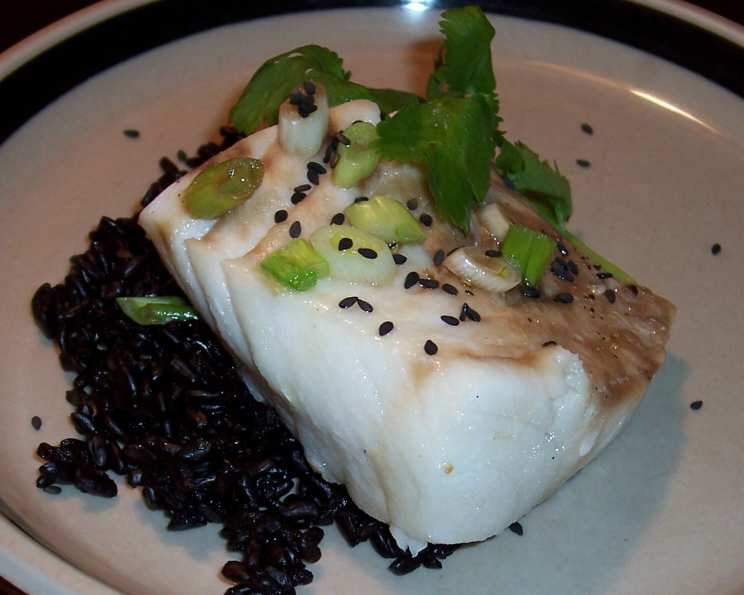
Sake Steamed Sea Bass: A Delicate Dance of Flavors
I can still recall the first time I tasted sake-steamed fish. It was in a tiny, unassuming restaurant in Kyoto, tucked away on a side street. The air was thick with the scent of soy sauce and ginger, and the gentle clinking of sake cups filled the room. The sea bass, so tender it practically melted in my mouth, was infused with the subtle sweetness of the sake, the bright tang of ginger, and the umami depth of the clam broth. It was a revelation – a dish that felt both comforting and utterly elegant. It’s a taste I’ve been chasing ever since, and this recipe comes remarkably close to capturing that perfect harmony.
Recipe Overview
- Prep Time: 10 minutes
- Cook Time: 10 minutes
- Total Time: 20 minutes
- Servings: 4
- Dietary Type: Pescatarian
Ingredients
- ¾ cup sake
- ¾ cup clam juice
- 1 tablespoon minced ginger
- 1 garlic clove, smashed
- 4 (6 ounce) sea bass fillets
- 2 chopped scallions
- 1 teaspoon sesame oil
- 4 teaspoons soy sauce
- 2 teaspoons cilantro, to taste
- 2 teaspoons toasted sesame seeds
- 1 cup jasmine rice or basmati rice, cooked according to package directions (black rice is a visually striking alternative)
- Salt and pepper, to taste
Equipment Needed
- Large pot with a steamer rack that fits inside
- Measuring cups and spoons
- Cutting board
- Knife
Instructions
-
Begin by preparing the aromatic steaming liquid. In a pot large enough to accommodate your steamer rack, combine the sake, clam juice, minced ginger, and smashed garlic clove. Bring this mixture to a boil over medium-high heat. Once boiling, reduce the heat to a gentle simmer. The simmering liquid will infuse the fish with its delicate flavor.
-
While the liquid simmers, prepare the sea bass fillets. Lightly season each fillet with salt and pepper.
-
Carefully place the seasoned sea bass fillets onto the steamer rack. Arrange them so they aren’t overcrowded, allowing the steam to circulate evenly around each piece.
-
Top each sea bass fillet with chopped scallions, a drizzle of sesame oil, and a teaspoon of soy sauce. These toppings will add layers of flavor and aroma to the fish as it steams.
-
Carefully place the steamer rack with the fish into the pot, ensuring it sits above the simmering liquid. Cover the pot tightly with a lid.
-
Steam the sea bass fillets for approximately 5 minutes, or until the fish is opaque and flakes easily with a fork. The exact cooking time may vary slightly depending on the thickness of your fillets, so it is crucial to monitor the fish closely. An internal temperature of 145°F (63°C) is ideal.
-
Once the fish is cooked through, carefully remove the steamer rack from the pot. Be cautious, as hot steam will escape when you lift the lid.
-
Stir cilantro into the cooking liquid in the pot. This will brighten the sauce and add a fresh herbal note.
-
To serve, spoon the cooked jasmine or basmati rice onto four plates. You could also use black rice for a striking visual presentation. Top each serving of rice with a sake steamed sea bass fillet.
-
Generously spoon the flavorful cooking juices from the pot over the fish and rice. This sauce is the key to the dish’s overall taste and moistness.
-
Finally, sprinkle each serving with toasted sesame seeds for a nutty crunch and visual appeal. Serve immediately.
Expert Tips & Tricks
- Don’t overcook the fish! Sea bass is delicate and can become dry and rubbery if cooked for too long. Start checking for doneness around the 4-minute mark.
- For an extra layer of flavor, try adding a thin slice of lemon or lime under each sea bass fillet before steaming.
- If you don’t have clam juice, you can substitute fish broth or even chicken broth, although the flavor profile will be slightly different.
- Toasted sesame oil has a much richer flavor than regular sesame oil. Be sure to use toasted for the best results.
- The steaming liquid can be made ahead of time and stored in the refrigerator for up to 24 hours. This makes it easy to assemble the dish quickly when you’re ready to cook.
Serving & Storage Suggestions
Serve the sake-steamed sea bass immediately for the best flavor and texture. Garnish with extra cilantro sprigs and a wedge of lime for a pop of color and freshness. This dish pairs beautifully with steamed broccoli, asparagus, or a simple cucumber salad.
Leftovers can be stored in an airtight container in the refrigerator for up to 2 days. Reheat gently in a steamer or microwave until heated through. Be careful not to overcook the fish when reheating, as it can become dry. Freezing is not recommended, as it can significantly affect the texture of the sea bass.
Nutritional Information
| Nutrient | Amount per Serving | % Daily Value |
|---|---|---|
| Calories | 350 kcal | 18% |
| Total Fat | 12g | 18% |
| Saturated Fat | 2g | 10% |
| Cholesterol | 80mg | 27% |
| Sodium | 700mg | 30% |
| Total Carbohydrate | 30g | 10% |
| Dietary Fiber | 2g | 8% |
| Sugars | 3g | – |
| Protein | 30g | 60% |
Note: Nutritional information is an estimate and may vary based on specific ingredients and portion sizes.
Variations & Substitutions
- Gluten-Free: Ensure that the soy sauce you use is gluten-free. Tamari is a great gluten-free alternative.
- Different Fish: If you can’t find sea bass, you can substitute other white fish fillets such as cod, halibut, or snapper. Adjust the steaming time accordingly, as different fish may cook at different rates.
- Vegetarian/Vegan Option: While the sea bass is the star of the dish, you can adapt the recipe to be vegetarian or vegan by steaming firm tofu or thick slices of eggplant in place of the fish. Adjust the cooking time to ensure the tofu or eggplant is heated through and tender. Use vegetable broth instead of clam juice.
- Spice it up: Add a pinch of red pepper flakes to the steaming liquid for a touch of heat.
FAQs (Frequently Asked Questions)
Q: Can I use a different type of sake?
A: Absolutely! While a dry sake works best, you can experiment with different varieties to find one you enjoy. A slightly sweeter sake will impart a more subtle sweetness to the dish.
Q: How do I know when the sea bass is cooked through?
A: The fish is cooked when it turns opaque and flakes easily with a fork. The internal temperature should reach 145°F (63°C).
Q: Can I prepare this dish ahead of time?
A: You can prepare the steaming liquid and chop the scallions and cilantro ahead of time. However, it’s best to steam the fish just before serving for optimal flavor and texture.
Q: What if I don’t have a steamer rack?
A: You can use a heat-safe plate or bowl inverted in the pot to create a makeshift steamer. Just make sure the plate or bowl sits above the liquid and doesn’t touch it.
Q: Can I add other vegetables to the steamer?
A: Yes! Asparagus spears, sliced carrots, or baby bok choy can be added to the steamer rack alongside the fish for a complete meal. Adjust the steaming time as needed to ensure the vegetables are cooked to your liking.
Final Thoughts
Sake Steamed Sea Bass is a dish that truly elevates simple ingredients into something extraordinary. The delicate flavors of the sake, ginger, and soy sauce beautifully complement the flaky, tender sea bass, creating a dining experience that is both satisfying and elegant. I encourage you to try this recipe and discover the magic of sake steaming for yourself. Don’t be afraid to experiment with different variations and make it your own. And most importantly, enjoy the process of creating and savoring this exquisite dish! Perhaps serve it with a chilled glass of sake for the perfect pairing.