
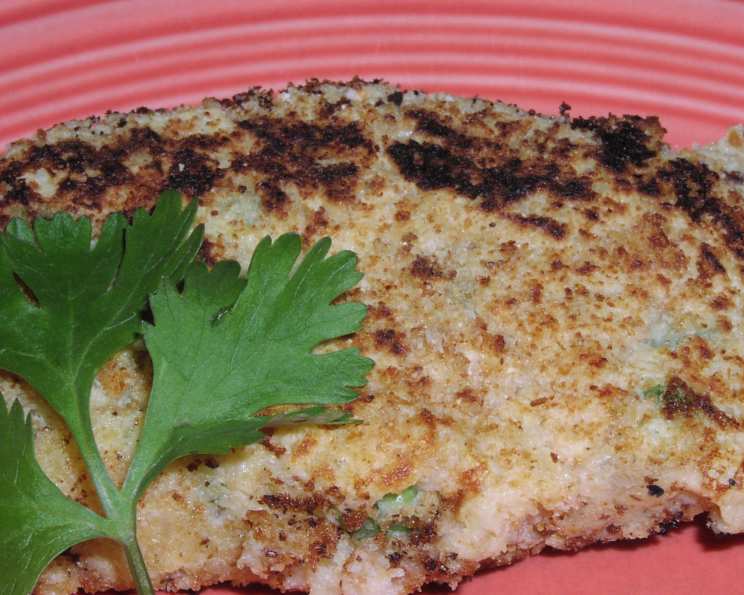
Samosa Cakes: A Flavorful Twist on a Classic
The first time I tasted a samosa, it was at a bustling street market in Mumbai. The aroma of spices hung heavy in the air, and the golden-brown, crispy pastry was almost too hot to hold. That burst of savory potato, peas, and fragrant spices sealed my love affair with Indian cuisine. These Samosa Cakes, however, are a different beast – all the beloved flavors of a samosa, deconstructed and reimagined as a comforting, pan-fried delight. They offer a fantastic shortcut to enjoying that authentic taste without the fuss of making and folding pastry, perfect for a weeknight meal or a flavorful side dish.
Recipe Overview
- Prep Time: 20 minutes
- Cook Time: 40 minutes
- Total Time: 1 hour
- Servings: 5
- Yield: 10 cakes
- Dietary Type: Vegetarian
Ingredients
- 2 lbs Yukon Gold potatoes or 2 lbs baking potatoes, peeled and halved
- ¾ cup evaporated milk, hot
- 1 teaspoon vegetable oil or 1 teaspoon canola oil
- 1 onion, chopped
- 2 garlic cloves, chopped
- 1 jalapeno, finely chopped
- 2 teaspoons chopped fresh ginger
- 2 teaspoons curry paste or 1 teaspoon curry powder
- ½ cup peas
- 2 teaspoons salt
- 1 egg, beaten
- ¼ cup all-purpose flour
- 1 cup breadcrumbs
- 2 tablespoons vegetable oil or 2 tablespoons canola oil
Equipment Needed
- Large pot
- Potato masher
- Small skillet
- Large mixing bowl
- Shallow dish
- Large non-stick skillet
Instructions
-
Begin by preparing the potatoes. Place the peeled and halved potatoes in a large pot and cover them with cold water. Bring the water to a boil over high heat. Once boiling, reduce the heat to medium and cook for 20-30 minutes, or until the potatoes are tender enough to be easily pierced with a fork.
-
While the potatoes are cooking, prepare the evaporated milk. Heat the evaporated milk in a small saucepan or microwave until it is hot, but not boiling. Set aside.
-
Once the potatoes are cooked, drain them thoroughly in a colander. Return the hot potatoes to the pot and mash them immediately with the hot evaporated milk using a potato masher until smooth and creamy. Reserve the mashed potato mixture in the pot or transfer to a large mixing bowl.
-
Now, create the aromatic base for your samosa cakes. Heat 1 teaspoon of vegetable or canola oil in a small skillet over medium heat. Add the chopped onion, garlic, jalapeno, and fresh ginger to the skillet. Cook gently for about 5 minutes, or until the onion becomes tender and translucent, stirring occasionally to prevent burning.
-
Add the curry paste (or curry powder, if using) and peas to the skillet with the sautéed aromatics. Cook for an additional 1 minute, stirring continuously, allowing the curry paste to bloom and release its fragrance.
-
Pour the flavorful onion-spice mixture from the skillet into the bowl with the reserved mashed potatoes. Add the beaten egg and all-purpose flour to the potato mixture. Stir well to combine all ingredients thoroughly, ensuring that the spices are evenly distributed throughout the potatoes.
-
Prepare the breadcrumb coating. Place the breadcrumbs in a shallow dish or plate.
-
Shape the samosa cakes. Take approximately ½ cup (125mL) of the potato mixture and shape it into a patty, about 3 inches in diameter and ¾ inch (2 cm) thick. Repeat this process with the remaining potato mixture until you have formed about 10 patties.
-
Coat each patty thoroughly in the breadcrumbs, pressing gently to ensure they adhere well.
-
Heat 1 tablespoon (15mL) of vegetable or canola oil in a large non-stick skillet over medium heat. Once the oil is hot, carefully place several samosa cakes into the skillet, ensuring not to overcrowd the pan.
-
Pan-fry the samosa cakes for approximately 5 minutes per side, or until they are golden brown and crusty on the outside and heated through in the middle. Turn the cakes gently with a spatula to avoid breaking them.
-
Remove the cooked samosa cakes from the skillet and place them on a plate lined with paper towels to drain any excess oil. Repeat the pan-frying process with the remaining samosa cakes, adding more oil to the skillet as needed.
• The potato mixture can be made a day ahead and refrigerated until ready to use.
• Omit the beaten egg and the flour and eat this recipe just as flavoured mashed potatoes.
Expert Tips & Tricks
- For extra crispy samosa cakes, consider double-breading them. Dip each patty in flour, then egg, then breadcrumbs for an even thicker crust.
- If you’re using curry powder instead of curry paste, bloom it in the hot oil for a minute before adding the other vegetables to intensify its flavor.
- Don’t overcrowd the pan when frying the cakes. This will lower the oil temperature and result in soggy cakes. Cook in batches for best results.
- For an extra layer of flavor, add a squeeze of fresh lemon or lime juice to the potato mixture before shaping the patties.
- If the potato mixture seems too wet, add a little more flour to help bind it together. If it’s too dry, add a splash of milk or water.
Serving & Storage Suggestions
Serve the Samosa Cakes hot, garnished with fresh cilantro or a dollop of plain yogurt. They are delicious on their own as a vegetarian main course, or as a flavorful side dish alongside grilled chicken, fish, or lamb. Leftover Samosa Cakes can be stored in an airtight container in the refrigerator for up to 3 days. To reheat, bake them in a preheated oven at 350°F (175°C) for about 10-15 minutes, or until heated through and crispy. You can also reheat them in a skillet over medium heat, but they may not be as crispy. Reheating in the microwave is possible, but will result in a softer texture.
Nutritional Information
| Nutrient | Amount per Serving | % Daily Value |
|---|---|---|
| Calories | 414.4 kcal | N/A |
| Calories from Fat | 105 g | 25% |
| Total Fat | 11.7 g | 18% |
| Saturated Fat | 3.2 g | 16% |
| Cholesterol | 53.3 mg | 17% |
| Sodium | 1160.4 mg | 48% |
| Total Carbohydrate | 66.3 g | 22% |
| Dietary Fiber | 5.7 g | 22% |
| Sugars | 5 g | 20% |
| Protein | 12 g | 23% |
Variations & Substitutions
- Gluten-Free: Use gluten-free breadcrumbs and a gluten-free all-purpose flour blend.
- Vegan: Omit the egg and use a plant-based milk alternative like almond or soy milk instead of evaporated milk. Use a flax egg (1 tablespoon ground flaxseed mixed with 3 tablespoons water) as an egg replacer.
- Spicier: Add more jalapeno or a pinch of cayenne pepper to the potato mixture.
- Different Vegetables: Substitute the peas with chopped green beans, corn, or carrots.
- Herbs: Add fresh cilantro, mint, or parsley to the potato mixture for a brighter flavor.
FAQs (Frequently Asked Questions)
Q: Can I make these ahead of time?
A: Yes, you can prepare the potato mixture a day in advance and store it in the refrigerator until ready to use. You can also shape and bread the patties ahead of time and store them in the refrigerator for a few hours before frying.
Q: Can I freeze these samosa cakes?
A: Yes, you can freeze the cooked samosa cakes. Let them cool completely, then wrap them individually in plastic wrap and place them in a freezer-safe bag or container. They can be stored in the freezer for up to 2 months. Reheat them in the oven for best results.
Q: What if I don’t have evaporated milk?
A: You can substitute the evaporated milk with regular milk or a plant-based milk alternative like almond or soy milk. The flavor will be slightly different, but the texture will still be creamy.
Q: Can I bake these instead of pan-frying?
A: Yes, you can bake the samosa cakes for a healthier option. Preheat your oven to 400°F (200°C). Place the breaded patties on a baking sheet lined with parchment paper and bake for 20-25 minutes, or until golden brown and crispy, flipping halfway through.
Q: What kind of curry paste should I use?
A: You can use any type of curry paste you like, such as red, green, or yellow curry paste. Adjust the amount to your preference, depending on the spice level.
Final Thoughts
These Samosa Cakes are more than just a recipe; they’re a comforting embrace of familiar flavors, reimagined in a simple and satisfying form. I encourage you to try this recipe and discover your own little piece of Indian-inspired culinary magic. Feel free to experiment with the spices and vegetables to create your own unique twist. And most importantly, don’t be afraid to share your creations and feedback – cooking is always better when shared with others!