
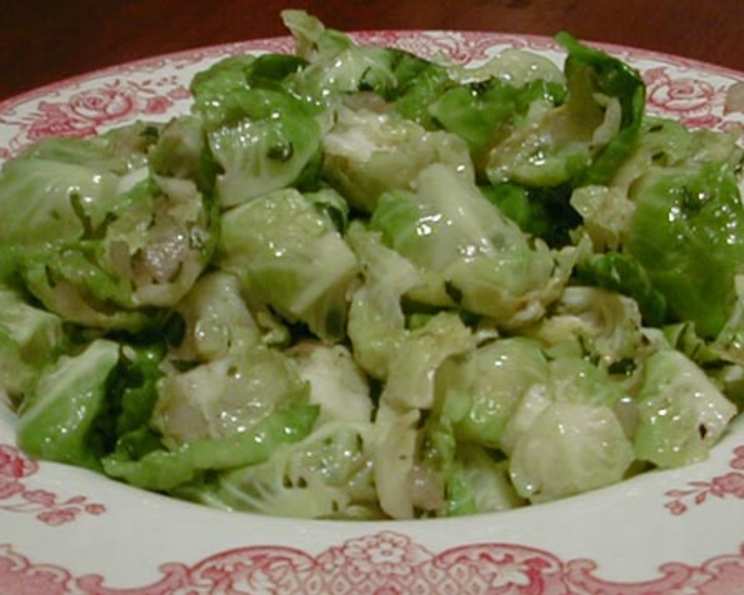
Sautéed Brussels Sprouts Leaves: An Unexpected Delight
The first time I tasted sautéed Brussels sprouts leaves, it was a revelation. My grandmother, a woman who could coax flavor out of anything, had prepared them. I recall the vibrant green color, the slightly nutty aroma, and the satisfying crunch as I bit into them. Until that moment, Brussels sprouts had been relegated to the realm of dreaded childhood vegetables, but Grandma’s version transformed them into a delectable treat. This recipe aims to capture that same magic, turning humble Brussels sprouts into a culinary star.
Recipe Overview
- Prep Time: 15 minutes
- Cook Time: 5 minutes
- Total Time: 20 minutes
- Servings: 4
- Dietary Type: Vegetarian, Gluten-Free
Ingredients
- ¾ lb Brussels sprouts
- 1 tablespoon olive oil
- ¼ cup chopped shallot
- 2 tablespoons chopped parsley
- 1 teaspoon fresh thyme or ½ teaspoon dried thyme leaves
- Salt and pepper to taste
Equipment Needed
- Large frying pan (10-12 inch)
- Cutting board
- Sharp knife
Instructions
- Begin by rinsing and draining the Brussels sprouts. This ensures they are free from any dirt or debris.
- Cut about ¼ inch off the stem end of each sprout. This helps to loosen the leaves and makes them easier to peel.
- Now comes the fun part: peeling the leaves. Start by gently peeling off the outer leaves. As you peel, you’ll notice it becomes more difficult. When this happens, trim off another ¼ inch from the stem end and continue removing leaves.
- Repeat the peeling process until all the leaves are removed from the sprouts. You’ll be left with the small, tightly packed cores, which can be discarded or saved for another use, such as adding to vegetable stock.
- Place a 10-12 inch frying pan over medium-high heat. Make sure the pan is adequately heated before adding the oil, as this helps to prevent sticking.
- When the pan is hot, add 1 tablespoon of olive oil. Let the oil heat up for a few seconds until it shimmers.
- Next, add the ¼ cup of chopped shallot to the pan. Sauté the shallots for about 1 minute, or until they become fragrant and translucent. Be careful not to burn them.
- Add the Brussels sprouts leaves, 2 tablespoons of chopped parsley, and 1 teaspoon of fresh (or ½ teaspoon of dried) thyme to the pan.
- Stir continuously until the Brussels sprouts leaves are bright green and slightly wilted but still crunchy, about 3 minutes. The goal is to cook them quickly so they retain their vibrant color and crisp texture.
- Finally, add salt and pepper to taste. Adjust the seasoning according to your preference.
Expert Tips & Tricks
- Don’t overcrowd the pan: If you have a lot of Brussels sprouts leaves, cook them in batches to ensure they cook evenly and maintain their crispness. Overcrowding the pan will cause the leaves to steam instead of sauté.
- High heat is key: Using medium-high heat is crucial for achieving the desired texture. The quick cooking time prevents the leaves from becoming soggy.
- Add a splash of acidity: A squeeze of lemon juice or a dash of balsamic vinegar at the end can brighten the flavor and add a delightful tang.
- Prep ahead: The Brussels sprouts leaves can be peeled and stored in an airtight container in the refrigerator for up to 2 days. This will save you time when you’re ready to cook.
- Don’t toss the cores: The cores of the Brussels sprouts can be used in vegetable stock or finely shredded and added to salads for a slightly bitter flavor.
Serving & Storage Suggestions
Sautéed Brussels sprouts leaves are best served immediately while they are still warm and crunchy. They make an excellent side dish to accompany grilled chicken, roasted fish, or a hearty vegetarian main course. To elevate the presentation, garnish with a sprinkle of fresh parsley or a drizzle of balsamic glaze.
Leftovers can be stored in an airtight container in the refrigerator for up to 2 days. Reheat them gently in a skillet over medium heat, stirring occasionally, until warmed through. Note that they may lose some of their original crispness upon reheating.
Nutritional Information
| Nutrient | Amount per Serving | % Daily Value |
|---|---|---|
| Calories | 80 kcal | 4% |
| Total Fat | 4g | 5% |
| Saturated Fat | 0.5g | 3% |
| Cholesterol | 0mg | 0% |
| Sodium | 20mg | 1% |
| Total Carbohydrate | 8g | 3% |
| Dietary Fiber | 3g | 11% |
| Sugars | 2g | |
| Protein | 3g | 6% |
Variations & Substitutions
- Bacon Brussels Sprouts: Add some crispy bacon bits for a smoky, savory flavor. Cook the bacon in the pan before adding the shallots and Brussels sprouts leaves.
- Garlic Brussels Sprouts: Add minced garlic along with the shallots for a more pungent flavor.
- Spicy Brussels Sprouts: Add a pinch of red pepper flakes or a dash of your favorite hot sauce for a spicy kick.
- Maple Glazed Brussels Sprouts: Drizzle with maple syrup after cooking for a touch of sweetness.
- Parmesan Brussels Sprouts: Sprinkle with grated Parmesan cheese before serving for a cheesy, savory flavor.
FAQs (Frequently Asked Questions)
Q: Can I use frozen Brussels sprouts for this recipe?
A: While fresh Brussels sprouts are preferred for their texture and flavor, you can use frozen Brussels sprouts leaves if necessary. Be sure to thaw and drain them thoroughly before cooking to remove excess moisture.
Q: How do I prevent the Brussels sprouts leaves from becoming soggy?
A: The key is to cook them quickly over high heat and avoid overcrowding the pan. This will ensure they retain their crispness.
Q: Can I add other vegetables to this dish?
A: Absolutely! Sliced mushrooms, diced bell peppers, or chopped carrots would all be delicious additions. Add them to the pan along with the shallots and cook until tender before adding the Brussels sprouts leaves.
Q: What is the best way to store leftover sautéed Brussels sprouts leaves?
A: Store them in an airtight container in the refrigerator for up to 2 days.
Q: Can I freeze sautéed Brussels sprouts leaves?
A: Freezing is not recommended, as they will lose their texture and become mushy when thawed.
Final Thoughts
This recipe for sautéed Brussels sprouts leaves is a testament to the fact that even the most humble ingredients can be transformed into something extraordinary. Don’t be afraid to experiment with different variations and find what works best for your palate. Whether you’re a longtime Brussels sprouts lover or a hesitant newcomer, I encourage you to give this recipe a try. I am confident that you’ll be pleasantly surprised by the delightful flavors and textures. Feel free to share your feedback and any creative twists you come up with. This dish pairs wonderfully with roasted chicken or a hearty grain bowl. Enjoy!