
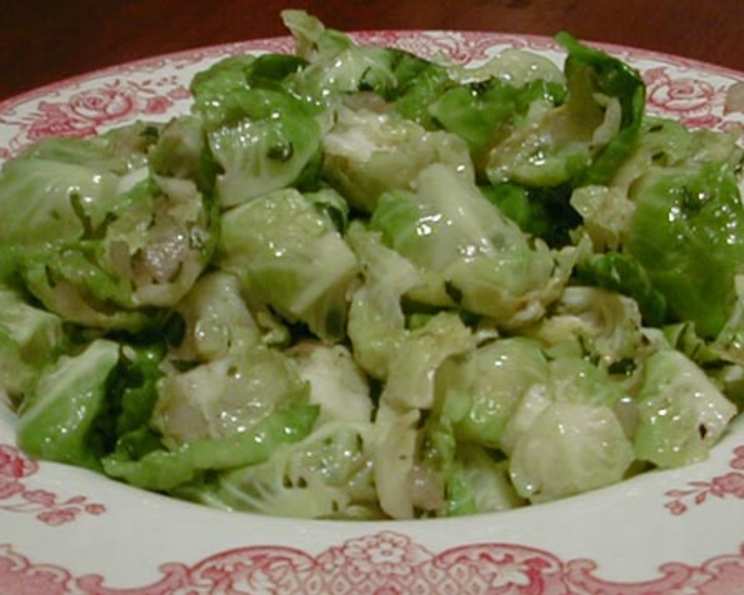
Sautéed Brussels Sprouts Leaves: A Culinary Revelation
Brussels sprouts. For many, the words conjure up memories of mushy, sulfurous vegetables begrudgingly consumed. But I remember my grandmother’s Brussels sprouts, a vibrant green side dish that appeared on the table every Thanksgiving. She never boiled them; instead, she carefully peeled away each leaf, then sautéed them with garlic and a splash of balsamic vinegar until they were crisp-tender. The result was a far cry from the bitter sprouts of my childhood nightmares. It was a revelation, a testament to the transformative power of simple techniques. This recipe, inspired by that memory and adapted from a Sunset Magazine find, captures that same spirit of delicious surprise.
Recipe Overview
- Prep Time: 20 minutes
- Cook Time: 5 minutes
- Total Time: 25 minutes
- Servings: 3-4
- Dietary Type: Vegetarian, Gluten-Free
Ingredients
- ¾ lb Brussels sprouts
- 1 tablespoon olive oil
- ¼ cup chopped shallot
- 2 tablespoons chopped parsley
- 1 teaspoon fresh thyme or ½ teaspoon dried thyme leaves
- Salt and pepper to taste
Equipment Needed
- 10-12 inch frying pan
Instructions
-
Begin by preparing the Brussels sprouts. Rinse them thoroughly and drain. Using a sharp knife, trim approximately ¼ inch off the stem end of each sprout. This helps to loosen the leaves.
-
Now comes the (slightly) meditative part: peeling the leaves. Start peeling the outer leaves of each sprout. As you peel, you’ll find that the leaves become more difficult to remove. When this happens, trim off another ¼ inch from the stem end and continue peeling.
-
Repeat this process until you’ve removed all the usable leaves from the sprouts. Discard the tough inner cores.
-
Select a 10-12 inch frying pan and place it over medium-high heat. Ensure the pan is adequately heated before adding the olive oil.
-
Once the pan is hot and the olive oil shimmers, add the chopped shallots. Sauté the shallots for about 1 minute, or until they become translucent and fragrant. Be careful not to burn them.
-
Add the Brussels sprout leaves, chopped parsley, and fresh thyme (or dried thyme leaves) to the pan.
-
Stir constantly, ensuring the leaves are evenly coated with the olive oil and seasonings. Continue stirring until the sprout leaves are bright green and slightly wilted, but still retain a pleasant crunch. This should take approximately 3 minutes. Overcooking will result in a mushy texture.
-
Season generously with salt and pepper to taste. Remember that the seasoning will be more pronounced on the leaves than if you were cooking whole sprouts, so adjust accordingly.
-
Remove the pan from the heat and transfer the sautéed Brussels sprout leaves to a serving dish. Serve immediately.
Expert Tips & Tricks
-
Don’t overcrowd the pan: Sauté the leaves in batches if necessary to ensure they cook evenly and maintain their crispness. Overcrowding will steam the leaves instead of sautéing them.
-
Spice it up: A pinch of red pepper flakes added along with the thyme can introduce a delightful kick.
-
Add a touch of acid: A squeeze of lemon juice or a splash of balsamic vinegar right at the end of cooking brightens the flavors and adds a lovely tang.
-
Shallot substitute: If you don’t have shallots, you can use finely chopped red onion or even green onions as a substitute.
-
Make-ahead prep: The Brussels sprout leaves can be peeled a few hours in advance and stored in an airtight container in the refrigerator. This will save you time when you’re ready to cook.
Serving & Storage Suggestions
Serve the sautéed Brussels sprout leaves immediately as a side dish to roasted chicken, grilled fish, or a hearty vegetarian main course. They also make a delicious addition to salads or grain bowls.
Leftovers can be stored in an airtight container in the refrigerator for up to 2 days. To reheat, sauté them briefly in a pan with a little olive oil until warmed through. They may lose some of their original crispness upon reheating, but the flavor will still be delicious. I don’t recommend freezing the cooked leaves.
Nutritional Information
| Nutrient | Amount per Serving | % Daily Value |
|---|---|---|
| Calories | 91 kcal | 5% |
| Total Fat | 5.1g | 7% |
| Saturated Fat | 0.7g | 3% |
| Cholesterol | 0mg | 0% |
| Sodium | 27mg | 1% |
| Total Carbohydrate | 10.5g | 3% |
| Dietary Fiber | 3.1g | 12% |
| Sugars | 2g | 8% |
| Protein | 3.3g | 6% |
Nutritional information is an estimate and may vary based on specific ingredients and cooking methods.
Variations & Substitutions
-
Bacon Brussels Sprouts Leaves: Add chopped bacon to the pan along with the shallots for a smoky, savory flavor.
-
Maple Glazed: Drizzle a tablespoon of maple syrup over the leaves during the last minute of cooking for a touch of sweetness.
-
Parmesan Perfection: Sprinkle grated Parmesan cheese over the leaves after cooking for a salty, cheesy finish.
-
Asian-Inspired: Sauté the leaves with ginger, garlic, and a splash of soy sauce and sesame oil for an Asian-inspired twist.
-
Vegan Option: Ensure you’re using vegan-friendly olive oil. This recipe is naturally vegan as is.
FAQs (Frequently Asked Questions)
Q: Why do I need to peel the leaves instead of just slicing the Brussels sprouts?
A: Peeling the leaves creates a larger surface area, allowing them to cook quickly and evenly. This results in a crisp-tender texture that’s difficult to achieve with sliced sprouts.
Q: Can I use frozen Brussels sprouts for this recipe?
A: While technically possible, I don’t recommend it. Frozen Brussels sprouts tend to be more watery and will not achieve the same crispness as fresh leaves.
Q: How do I prevent the shallots from burning?
A: Keep a close eye on the shallots and reduce the heat if necessary. You can also add a splash of water or broth to the pan to prevent them from scorching.
Q: What if I don’t have fresh thyme?
A: Dried thyme is a perfectly acceptable substitute. Use about half the amount of dried thyme as you would fresh.
Q: Can I add other vegetables to this dish?
A: Absolutely! Sliced mushrooms, chopped bell peppers, or even some toasted nuts would be delicious additions.
Final Thoughts
This sautéed Brussels sprouts leaves recipe offers a delightful and unexpected way to enjoy this often-maligned vegetable. The simple technique of peeling the leaves transforms the sprouts into a vibrant and flavorful side dish that’s sure to impress. So, ditch the boiled sprouts of your past and embrace this culinary revelation. I encourage you to give it a try, experiment with different flavor combinations, and share your creations with friends and family. Pair it with a crisp white wine or a light-bodied red for a truly memorable meal. Happy cooking!