
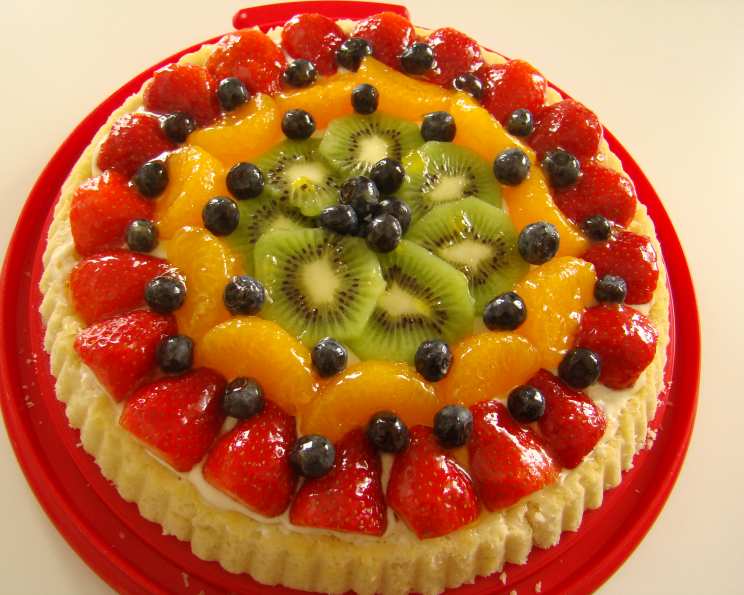
Shortbread Crust for Custard Tart: A Symphony of Buttery Delight
The first time I tasted a perfectly executed custard tart with a melt-in-your-mouth shortbread crust, I was transported. It wasn’t just the creamy, vanilla-infused custard; it was the delicate, crumbly base that elevated the entire experience. I remember thinking, “This is what baking is all about – creating moments of pure joy.” Recreating that experience in my own kitchen became a personal quest, leading me to develop this shortbread crust recipe that I’m thrilled to share with you.
Recipe Overview
- Prep Time: 20 minutes
- Cook Time: 15-20 minutes
- Total Time: 1 hour 35-40 minutes (including chilling)
- Servings: 8
- Yield: 1 10-inch tart crust
- Dietary Type: Not specified (can be modified to be gluten-free or dairy-free – see variations)
Ingredients
For the Shortbread Crust:
- ½ cup (1 stick) salted butter, softened to room temperature
- ¼ cup confectioners’ sugar
- ½ teaspoon orange extract
- 1 cup sifted all-purpose flour
Equipment Needed
- Mixing bowl
- Electric mixer
- Plastic wrap
- Rolling pin
- Lightly floured surface
- 10-inch tart pan with removable bottom
- Fork
Instructions
-
Cream Together Butter and Sugar: In a mixing bowl, use an electric mixer to cream together the softened butter and confectioners’ sugar until the mixture is light and fluffy. This should take about 3 minutes on medium speed. Scraping down the sides of the bowl occasionally ensures even mixing. The softened butter is key here – if it’s too cold, it won’t incorporate properly with the sugar.
-
Incorporate the Orange Extract: Add the orange extract to the creamed butter and sugar mixture. Mix thoroughly for about 1 minute until the extract is evenly distributed. The subtle citrus note from the orange extract adds a wonderful layer of complexity to the shortbread. Don’t skip it!
-
Add the Flour Gradually: Gradually incorporate the sifted flour into the wet ingredients. Add the flour a little at a time, mixing on low speed until just combined. Be careful not to overmix, as this can develop the gluten in the flour and result in a tough crust. Mix until the dough just comes together.
-
Chill the Dough: Form the dough into a disc, wrap it tightly in plastic wrap, and chill in the refrigerator for at least 1 hour. This chilling time is crucial. It allows the gluten to relax, making the dough easier to roll out and preventing it from shrinking during baking.
-
Roll Out the Dough: After chilling, turn the dough out onto a lightly floured board or surface. Use a rolling pin to roll the dough out to a thickness of about 1/3 inch. Work quickly and efficiently to prevent the dough from becoming too warm. If the dough starts to stick to the surface or the rolling pin, dust with a little more flour.
-
Line the Tart Pan: Carefully transfer the rolled-out dough to the 10-inch tart pan with a removable bottom. Gently press the dough into the bottom and up the sides of the pan, ensuring that it fits snugly. Trim any excess dough from the edges of the pan. You can use a rolling pin to neatly trim the edges by rolling it over the top of the pan.
-
Prick the Dough: Use a fork to prick the bottom of the dough several times. This prevents the crust from puffing up during baking.
-
Bake the Crust: Place the tart pan in a preheated oven at 350 degrees Fahrenheit (175 degrees Celsius). Bake for 15-20 minutes, or until the crust is golden brown. Keep a close eye on it towards the end of the baking time to prevent it from burning.
-
Cool and Fill: Remove the baked crust from the oven and let it cool completely in the tart pan. Once cooled, carefully remove the crust from the pan and fill it with your favorite pastry cream or custard. Top with fresh fruit, such as kiwi, banana, strawberry, green seedless grapes, and blueberries for a vibrant and delicious presentation.
Expert Tips & Tricks
- Blind Baking: For an extra crisp crust, consider blind baking the crust. Line the unbaked crust with parchment paper and fill it with pie weights or dried beans. Bake for 15 minutes, then remove the parchment paper and weights and bake for another 5-10 minutes, or until golden brown.
- Preventing Soggy Crust: To prevent a soggy crust when using a wet filling, brush the cooled baked crust with melted white chocolate or egg wash before adding the filling. This creates a moisture barrier.
- Dough Too Sticky? If your dough is too sticky to roll out, add a tablespoon or two of flour, being careful not to overwork it. If the dough is too crumbly, add a teaspoon of ice water at a time until it comes together.
- Even Baking: Rotate the tart pan halfway through baking to ensure even browning.
Serving & Storage Suggestions
Serve the custard tart chilled for the best flavor and texture. Leftovers can be stored in an airtight container in the refrigerator for up to 3 days. While the crust is best enjoyed fresh, it will still be delicious after a few days in the fridge. Freezing is not recommended as the crust may become soggy upon thawing.
Nutritional Information
(Note: These are estimates and will vary based on specific ingredients and serving size.)
| Nutrient | Amount per Serving | % Daily Value |
|---|---|---|
| Calories | 250 kcal | 13% |
| Total Fat | 15g | 23% |
| Saturated Fat | 9g | 45% |
| Cholesterol | 40mg | 13% |
| Sodium | 100mg | 4% |
| Total Carbohydrate | 25g | 9% |
| Dietary Fiber | 1g | 4% |
| Sugars | 8g | – |
| Protein | 2g | 4% |
Variations & Substitutions
- Gluten-Free Crust: Substitute the all-purpose flour with a gluten-free flour blend for a gluten-free option. Be sure to use a blend that is specifically designed for baking.
- Dairy-Free Crust: Replace the butter with a dairy-free butter substitute for a dairy-free version.
- Lemon Zest: Add 1 teaspoon of lemon zest to the dough for a bright, citrusy flavor variation.
- Almond Extract: Substitute the orange extract with almond extract for a nutty flavor profile.
- Chocolate Shortbread: Add 2 tablespoons of unsweetened cocoa powder to the flour for a chocolate shortbread crust.
- Spice it up: Add 1/2 teaspoon of ground cinnamon or nutmeg for a warmer flavor.
FAQs (Frequently Asked Questions)
Q: Can I make the dough ahead of time?
A: Yes, the dough can be made ahead of time and stored in the refrigerator for up to 2 days or in the freezer for up to 1 month. Just be sure to wrap it tightly in plastic wrap.
Q: Why is my shortbread crust tough?
A: Overmixing the dough can develop the gluten in the flour, resulting in a tough crust. Be sure to mix the flour in gently until just combined.
Q: How do I prevent the crust from shrinking during baking?
A: Chilling the dough for at least 1 hour allows the gluten to relax, which helps to prevent shrinking during baking. Also, don’t stretch the dough when placing it in the tart pan.
Q: Can I use a different size tart pan?
A: Yes, you can use a smaller or larger tart pan, but you may need to adjust the baking time accordingly. If using a smaller pan, you will have leftover dough. If using a larger pan, the crust will be thinner.
Q: What are some good filling options for this crust?
A: This shortbread crust is versatile and pairs well with a variety of fillings, including pastry cream, lemon curd, chocolate ganache, and fruit compote.
Final Thoughts
This shortbread crust is the foundation for countless delicious desserts. Its buttery, crumbly texture provides the perfect complement to creamy custards, tangy curds, or decadent chocolate fillings. Don’t be afraid to experiment with different extracts, spices, or citrus zest to create your own signature flavor. So go ahead, preheat your oven, and embark on a baking adventure! I’m confident that you’ll create a custard tart that will impress your family and friends. Share your creations and feedback – I can’t wait to see what you come up with! Perhaps pair it with a delicate Earl Grey tea for an afternoon treat. Happy baking!