
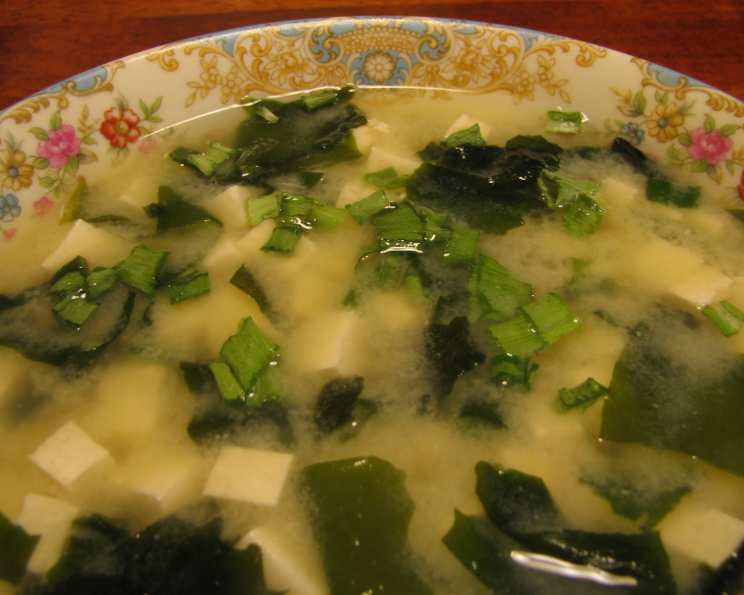
Simple Miso Nori Soup: A Taste of Home
The first time I truly understood the comforting power of miso soup was during a chilly autumn in Kyoto. Wandering through a bustling marketplace, the aroma of simmering dashi and fermented soybeans drew me into a small, family-run eatery. The steam rising from the simple, dark broth warmed my face, and the savory, umami-rich liquid soothed me from the inside out. With each spoonful, I felt transported, not just to a different place, but to a sense of serene well-being. From that moment on, miso soup became my go-to remedy for a cold day or a homesick heart. This recipe, while humble, captures the essence of that experience, a hug in a bowl.
Recipe Overview
- Prep Time: 5 minutes
- Cook Time: 10 minutes
- Total Time: 15 minutes
- Servings: 4
- Yields: 4 bowls
- Dietary Type: Vegan
Ingredients
- 8 teaspoons miso (white, yellow, or red – see notes)
- 4 cups water
- 1 sheet nori (dried seaweed)
- 3 ounces firm low-fat tofu, cubed
Ingredient Notes:
- Miso: The type of miso you use will significantly impact the flavor. White miso (Shiro miso) is the mildest and slightly sweet, perfect for a delicate flavor. Yellow miso (Shinshu miso) offers a more robust, slightly earthy taste. Red miso (Aka miso) is the boldest and saltiest, best for those who prefer a strong miso flavor. Feel free to experiment and find your favorite!
- Nori: You can use either toasted or untoasted nori sheets. If using untoasted, you may want to quickly toast it over an open flame or in a dry pan for a few seconds per side to enhance its flavor.
- Tofu: While firm tofu is recommended, you can also use silken tofu for a smoother, creamier texture. Just be gentle when stirring to avoid breaking it up too much.
Equipment Needed
- 2-quart pot
Instructions
-
Pour the water into a 2-quart pot. Place the pot on the stovetop over medium-high heat.
-
Add the miso to the pot of water. Using a whisk or spoon, stir the miso until it’s completely dissolved and no longer in chunks. Ensure there are no clumps remaining for a smooth broth.
-
Bring the mixture to a simmer. Watch carefully, as you don’t want the soup to come to a full boil, which can negatively affect the flavor and texture of the miso. Reduce the heat if necessary to maintain a gentle simmer.
-
While the soup is simmering, prepare the nori. Tear the nori sheet into pieces approximately 1.5 inches by 1.5 inches. Don’t worry about making them perfectly uniform; slightly larger or smaller pieces are perfectly fine.
-
Add the torn nori pieces to the simmering pot of soup.
-
Next, prepare the tofu. Dice the firm low-fat tofu into cubes to your desired size. Smaller cubes will disperse more easily, while larger cubes will provide a more substantial bite.
-
Gently add the diced tofu to the pot.
-
Continue to simmer the soup for another 2-3 minutes, allowing the nori to soften and the tofu to warm through. Avoid overcooking, as this can make the nori slimy.
-
Remove the pot from the heat. The soup is now ready to serve.
Expert Tips & Tricks
- Don’t Boil the Miso: Overheating miso can destroy its beneficial enzymes and alter its flavor, making it bitter. Always simmer gently.
- Adjust Miso to Taste: Start with the recommended amount of miso and then adjust to your preference. Taste the soup before adding all the miso, and add more gradually until you reach your desired saltiness and umami level.
- Enhance with Dashi: For a deeper, more complex flavor, use dashi (Japanese soup stock) instead of water. You can use instant dashi granules or make your own from kombu (dried kelp) and shiitake mushrooms.
- Add Vegetables: Feel free to add other vegetables to the soup, such as sliced green onions, wakame seaweed, or enoki mushrooms. Add them during the last few minutes of cooking to retain their texture and flavor.
- Make it Spicy: Add a pinch of red pepper flakes or a dash of chili oil for a touch of heat.
Serving & Storage Suggestions
Serve the Simple Miso Nori Soup immediately for the best flavor and texture. Ladle the soup into bowls and garnish with extra chopped green onions or a sprinkle of sesame seeds, if desired.
Storage: Leftover miso soup can be stored in an airtight container in the refrigerator for up to 2-3 days. The nori may become softer over time, but the soup will still be safe to eat.
Reheating: Reheat the soup gently on the stovetop over low heat, or in the microwave in short intervals, stirring occasionally. Avoid boiling the soup during reheating.
It is generally not recommended to freeze miso soup, as the texture of the tofu and nori can change significantly upon thawing.
Nutritional Information
| Nutrient | Amount per Serving | % Daily Value |
|---|---|---|
| Calories | 68 kcal | 3% |
| Total Fat | 3g | 4% |
| Saturated Fat | 0.5g | 3% |
| Cholesterol | 0mg | 0% |
| Sodium | 950mg | 41% |
| Total Carbohydrate | 5g | 2% |
| Dietary Fiber | 1g | 4% |
| Sugars | 1g | 2% |
| Protein | 6g | 12% |
| Vitamin A | 160 IU | 3% |
| Vitamin C | 0.2mg | 0% |
| Calcium | 73mg | 6% |
| Iron | 1.1mg | 6% |
Note: Nutritional information is an estimate and may vary based on specific ingredients and preparation methods.
Variations & Substitutions
- Add Greens: Stir in a handful of spinach or kale during the last minute of cooking for added nutrients and color.
- Spice It Up: Add a dash of Sriracha or chili garlic sauce for a spicy kick.
- Creamy Miso Soup: For a richer, creamier soup, add a tablespoon of tahini or cashew butter to the pot while simmering.
- Mushroom Miso Soup: Include sliced shiitake or enoki mushrooms for an earthy flavor. Sauté the mushrooms before adding them to the soup for a deeper taste.
- Ginger Garlic Miso Soup: Add minced ginger and garlic to the pot while simmering for a more aromatic soup.
FAQs (Frequently Asked Questions)
Q: Can I use dashi instead of water in this recipe?
A: Absolutely! Using dashi will add a deeper, more complex umami flavor to the soup.
Q: What if I don’t have nori? Can I still make the soup?
A: Yes, you can still make the soup without nori, but it will lack the distinct seaweed flavor. Consider adding wakame seaweed flakes instead.
Q: Can I use a different type of tofu?
A: Yes, you can use silken tofu for a creamier texture, or extra-firm tofu for a chewier bite.
Q: How can I make this soup lower in sodium?
A: Use a low-sodium miso paste and avoid adding any additional salt.
Q: Is miso soup gluten-free?
A: Most miso pastes are gluten-free, but it’s always best to check the label to be sure. Some miso pastes may contain barley or other gluten-containing ingredients.
Final Thoughts
This Simple Miso Nori Soup is more than just a recipe; it’s a journey to comfort and well-being. Whether you’re seeking a quick and healthy meal, a taste of Japanese tradition, or a warm embrace on a cold day, this soup delivers. I encourage you to try it, experiment with the variations, and make it your own. Share your creations and feedback – I’d love to hear about your miso soup adventures! Consider pairing it with a side of steamed rice and pickled vegetables for a complete and satisfying meal.