
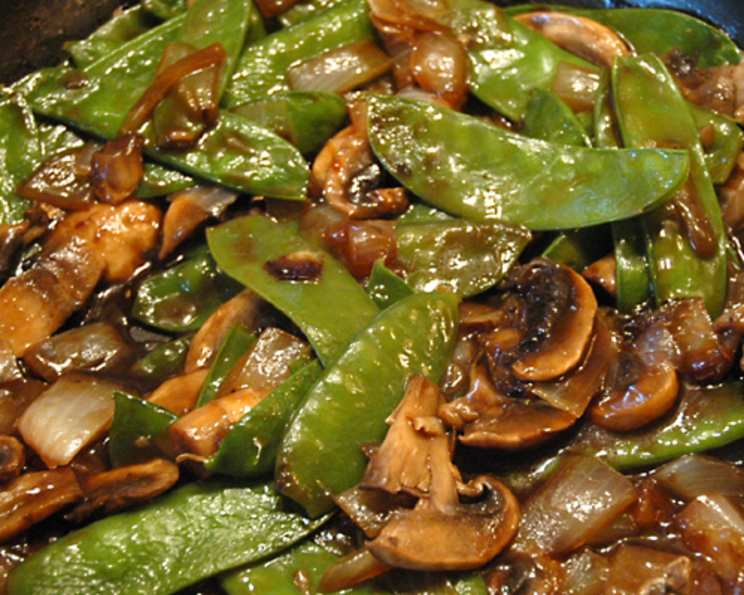
Snow Pea Stir-Fry: A Symphony of Simplicity
The scent of soy sauce and sizzling vegetables always transports me back to my tiny apartment kitchen in culinary school. Late nights, fueled by ramen and ambition, often ended with a quick stir-fry, a customizable canvas for whatever veggies were lingering in the fridge. Snow peas, with their delicate crunch and vibrant green hue, were a frequent addition, transforming a simple meal into something satisfying and a little bit special. This dish is a testament to how a few quality ingredients and a bit of technique can create magic, even on a student budget.
Recipe Overview
- Prep Time: 5 minutes
- Cook Time: 5 minutes
- Total Time: 10 minutes
- Servings: 4
- Dietary Type: Vegetarian
Ingredients
- 2 tablespoons oil
- 1 (16 ounce) package fresh snow peas or 1 (16 ounce) package frozen snow peas, thawed
- 1 1/2 cups sliced mushrooms
- 1 1/2 teaspoons cornstarch
- 1/4 teaspoon chicken bouillon granule (vegetable bouillon for a vegetarian option)
- 1/2 cup water
- 1 tablespoon soy sauce
Equipment Needed
- Large skillet
- Small bowl
- Whisk or fork
Instructions
- Begin by heating the oil in a large skillet over medium-high heat. Make sure the skillet is hot before adding the vegetables. A hot skillet ensures that the vegetables will stir-fry and not steam.
- Add the snow peas and sliced mushrooms to the hot skillet. Stir fry for 2 minutes, tossing frequently to ensure even cooking. The goal is to get the snow peas bright green and slightly tender-crisp, and the mushrooms should start to soften and brown slightly.
- While the vegetables are cooking, prepare the sauce. In a small bowl, combine the cornstarch, chicken bouillon granule, water, and soy sauce. Whisk or stir with a fork until the mixture is completely smooth and there are no lumps of cornstarch remaining. This is crucial for a smooth, glossy sauce.
- Pour the cornstarch mixture into the skillet with the vegetables. Bring the mixture to a boil, stirring constantly to prevent the cornstarch from clumping.
- Continue to cook and stir for 1-2 minutes, or until the sauce has thickened to your desired consistency. The sauce should be thick enough to coat the vegetables.
- Remove from heat and serve immediately.
Expert Tips & Tricks
- Achieve the Perfect Texture: Don’t overcook the snow peas! They should be bright green and have a slight snap when you bite into them. Overcooked snow peas become limp and lose their appealing texture.
- Mushroom Magic: For a deeper, more complex flavor, try browning the mushrooms in the skillet before adding the snow peas. This allows the mushrooms to develop a rich, savory character.
- Sauce Savvy: If your sauce is too thin, simply whisk together a little more cornstarch with cold water (a “slurry”) and add it to the skillet. Cook and stir until thickened. If the sauce is too thick, add a little more water.
- Flavor Boost: A pinch of grated ginger or a clove of minced garlic added to the skillet during the stir-frying process can elevate the flavor of this dish.
- Make it Spicy: Add a pinch of red pepper flakes or a drizzle of sriracha to the sauce for a touch of heat.
Serving & Storage Suggestions
Serve this Snow Pea Stir-Fry immediately over rice or noodles for a complete and satisfying meal. Garnish with sesame seeds or chopped green onions for added visual appeal. Leftovers can be stored in an airtight container in the refrigerator for up to 3 days. Reheat gently in a skillet or microwave until heated through. The snow peas may lose some of their crispness upon reheating.
While this dish is best served fresh, you can prepare the sauce in advance and store it in the refrigerator for up to 24 hours. Just be sure to whisk it again before adding it to the skillet.
Nutritional Information
| Nutrient | Amount per Serving | % Daily Value |
|---|---|---|
| Calories | 120 kcal | 6% |
| Fat | 7g | 10% |
| Saturated Fat | 1g | 5% |
| Cholesterol | 0mg | 0% |
| Sodium | 281mg | 11% |
| Carbohydrates | 11g | 4% |
| Fiber | 3g | 13% |
| Sugars | 5g | 20% |
| Protein | 5g | 10% |
Variations & Substitutions
- Vegetarian Delight: To ensure this dish is fully vegetarian, substitute the chicken bouillon granule with vegetable bouillon.
- Protein Power: Add diced tofu, chicken, shrimp, or beef to the stir-fry for a protein boost. Simply cook the protein separately and add it to the skillet along with the snow peas and mushrooms.
- Veggie Variety: Feel free to add other vegetables to the stir-fry, such as bell peppers, broccoli florets, carrots, or water chestnuts.
- Gluten-Free Option: Use tamari instead of soy sauce to make this dish gluten-free.
- Sesame Sensation: Add a teaspoon of sesame oil to the skillet along with the vegetable oil for a nutty flavor.
- Nutty Goodness: Sprinkle toasted almonds or cashews over the finished dish for added crunch and flavor.
FAQs (Frequently Asked Questions)
Q: Can I use frozen snow peas?
A: Yes, you can use frozen snow peas. Be sure to thaw them completely before adding them to the skillet and pat them dry with paper towels to remove excess moisture.
Q: How do I prevent the sauce from being lumpy?
A: Make sure to whisk the cornstarch thoroughly with the water, bouillon, and soy sauce until completely smooth before adding it to the skillet. Stir constantly while the sauce is thickening to prevent lumps from forming.
Q: Can I make this dish ahead of time?
A: While it’s best served fresh, you can prepare the sauce ahead of time and store it in the refrigerator for up to 24 hours. However, the snow peas will lose some of their crispness if the entire dish is made ahead of time and reheated.
Q: What other sauces can I use?
A: Experiment with different sauces! Oyster sauce, hoisin sauce, or even a simple teriyaki sauce can be used in place of the soy sauce mixture.
Q: How do I know when the snow peas are done?
A: The snow peas should be bright green and tender-crisp. They should still have a slight snap when you bite into them. Avoid overcooking them, as they will become limp and lose their flavor.
Final Thoughts
This Snow Pea Stir-Fry is more than just a quick meal; it’s an invitation to explore the possibilities of simple, fresh ingredients. It’s a blank canvas for your culinary creativity, a reminder that delicious food doesn’t have to be complicated or time-consuming. So, gather your ingredients, fire up your skillet, and experience the joy of creating something delicious. Don’t hesitate to experiment with different vegetables, proteins, and sauces to make it your own. And please, share your creations with me – I can’t wait to see what you come up with! Perhaps serve alongside a crisp spring roll for a complete asian-inspired meal.