
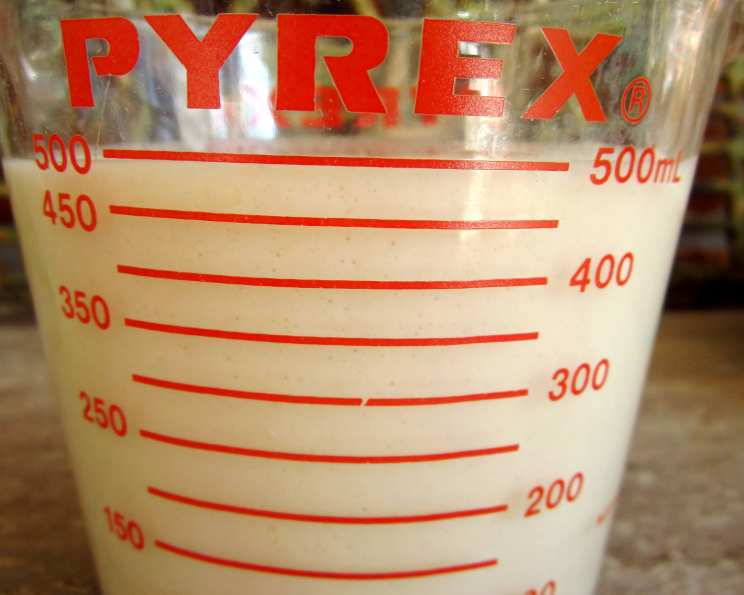
Unleashing the Magic of Sourdough Batter: A Culinary Journey
There’s something truly magical about the tangy aroma of sourdough that fills a kitchen. For me, it’s more than just a scent; it’s a time machine. I remember my grandmother’s kitchen, perpetually warm from the wood-burning stove, where she’d carefully tend to her sourdough starter. The bubbling, yeasty fragrance was her signature, a promise of hearty loaves, fluffy pancakes, and crusty biscuits – each bite a taste of tradition and love. Now, years later, I carry on that tradition, and I’m thrilled to share this essential sourdough batter recipe with you.
Recipe Overview
- Prep Time: 10 minutes
- Cook Time: N/A (proofing time)
- Total Time: 8-12 hours (proofing)
- Yields: 4 Cups
- Dietary Type: Vegetarian
Ingredients
- 1 1⁄2 cups sourdough starter
- 1 1⁄2 cups flour (all-purpose or bread flour)
- 1 cup water (warm, approximately 85-90°F)
Equipment Needed
- 2-quart bowl
- Measuring cups
- Spoon or whisk
- Cover (plastic wrap, lid, or damp towel)
Instructions
- Begin by removing your sourdough starter from the refrigerator. Allow it to sit at room temperature for about 30 minutes to 1 hour. This helps to wake up the yeast and bacteria.
- Measure out 1 1/2 cups of the sourdough starter into a warm, clean 2-quart bowl. This is your base for the batter.
- Return the remaining sourdough starter to the refrigerator. This is important for maintaining the health of your starter.
- Add 1 1/2 cups of flour to the bowl with the starter. You can use all-purpose flour for a more tender result or bread flour for a chewier texture.
- Gradually add approximately 1 cup of warm water to the bowl. Begin by adding about 3/4 cup and then adjust as needed. The ideal water temperature is between 85-90°F, which encourages yeast activity without scalding them.
- Mix the ingredients thoroughly until well combined. The consistency should resemble a light pancake batter – pourable but not too runny. Remember that different flours absorb water differently, so add water sparingly until you reach the desired consistency.
- Cover the bowl lightly with plastic wrap, a lid, or a damp kitchen towel. This prevents the batter from drying out during the proofing process.
- Let the sourdough batter proof for 8-12 hours in a warm place, ideally at 85-90°F. A slightly warm oven (turned off) or a proofing drawer works well. This slow fermentation is crucial for developing the characteristic sourdough flavor and airy texture.
- Check the batter after the proofing period. It should have a bubbly surface and a strong, pungent, sour odor, indicating that the fermentation process has been successful.
- After proofing, measure out the amount of sourdough batter required for your specific recipe. The remaining batter can be returned to your starter pot.
- Stir the remaining batter into your starter and refrigerate immediately to slow down fermentation.
Expert Tips & Tricks
- Temperature is Key: Maintaining a consistent temperature during proofing is essential for optimal yeast activity. Use an oven with a proofing setting or find a warm spot in your kitchen.
- Flour Matters: Experiment with different types of flour to achieve varying textures. Bread flour will yield a chewier, more structured result, while all-purpose flour results in a softer texture. You can even use whole wheat flour for a nuttier flavor.
- Don’t Overmix: Overmixing can develop the gluten too much, resulting in a tougher batter. Mix until just combined.
- Adjust Hydration: Sourdough can be finicky, and hydration levels can vary depending on the flour and humidity. Feel free to adjust the amount of water slightly to achieve the correct batter consistency.
- The Float Test: To test if your starter is ready, drop a small spoonful into a glass of water. If it floats, it’s ready to use!
Serving & Storage Suggestions
This sourdough batter is incredibly versatile and can be used in a wide range of recipes. It’s excellent for pancakes, waffles, biscuits, pizza dough, and of course, sourdough bread.
- Serving: Serve your creations fresh and warm. Sourdough bread pairs wonderfully with soups, salads, or simply enjoyed with butter and jam. Sourdough pancakes and waffles are delicious with fresh fruit, syrup, or whipped cream.
- Storage: The remaining sourdough batter (mixed back into your starter) should be stored in an airtight container in the refrigerator. It can last for several weeks, even months, with regular feeding. If you notice a layer of dark liquid (hooch) forming on top, don’t worry – it’s just alcohol produced by the yeast. Simply pour it off before using.
Nutritional Information
Here’s an approximate nutritional breakdown for a 1/2 cup serving of this sourdough batter:
| Nutrient | Amount per Serving | % Daily Value |
|---|---|---|
| Calories | 170 kcal | 8% |
| Total Fat | 0.5g | 1% |
| Saturated Fat | 0.1g | 0% |
| Cholesterol | 0mg | 0% |
| Sodium | 3mg | 0% |
| Total Carbohydrate | 36g | 13% |
| Dietary Fiber | 1.3g | 5% |
| Sugars | 0.1g | 0% |
| Protein | 5g | 10% |
Please note: This is an estimate and can vary based on the specific flour and water used.
Variations & Substitutions
- Gluten-Free: Use a gluten-free flour blend to make gluten-free sourdough batter. Be sure to choose a blend designed for bread making.
- Whole Wheat: Substitute up to half of the all-purpose flour with whole wheat flour for a nuttier flavor and added fiber.
- Rye Flour: Add a few tablespoons of rye flour for a more complex, earthy flavor.
- Sweet Sourdough: Add a tablespoon of honey or maple syrup to the batter for a touch of sweetness, perfect for pancakes or waffles.
- Savory Sourdough: Incorporate herbs, spices, or cheese into the batter for a savory twist. Try adding chopped rosemary, thyme, or grated cheddar cheese.
FAQs (Frequently Asked Questions)
Q: My sourdough batter isn’t bubbly after 12 hours. What went wrong?
A: Several factors could contribute to this. The temperature might be too low, the starter may not be active enough, or the flour could be old. Try proofing in a warmer location, feeding your starter more frequently, or using fresh flour.
Q: Can I use this batter right away without proofing?
A: While you can, you won’t achieve the characteristic sourdough flavor and texture. The proofing process is essential for fermentation and developing the tangy taste.
Q: How often should I feed my starter?
A: If you bake regularly, feed your starter daily. If you only bake occasionally, feed it once a week or before you plan to use it.
Q: Can I freeze sourdough batter?
A: Freezing sourdough batter is not recommended, as it can negatively affect the yeast activity and texture. It’s better to freeze the finished baked product.
Q: Is it normal for my sourdough starter to smell alcoholic?
A: Yes, a slightly alcoholic smell is normal, especially if the starter hasn’t been fed recently. It’s a byproduct of fermentation.
Final Thoughts
Creating sourdough batter is more than just following a recipe; it’s an act of patience, a connection to culinary history, and a chance to create something truly unique. Don’t be intimidated if your first attempt isn’t perfect. Sourdough baking is a journey of learning and experimentation. Embrace the process, trust your instincts, and most importantly, have fun! I encourage you to give this recipe a try, share your creations with loved ones, and let me know what delicious sourdough adventures you embark on. Bon appétit!