
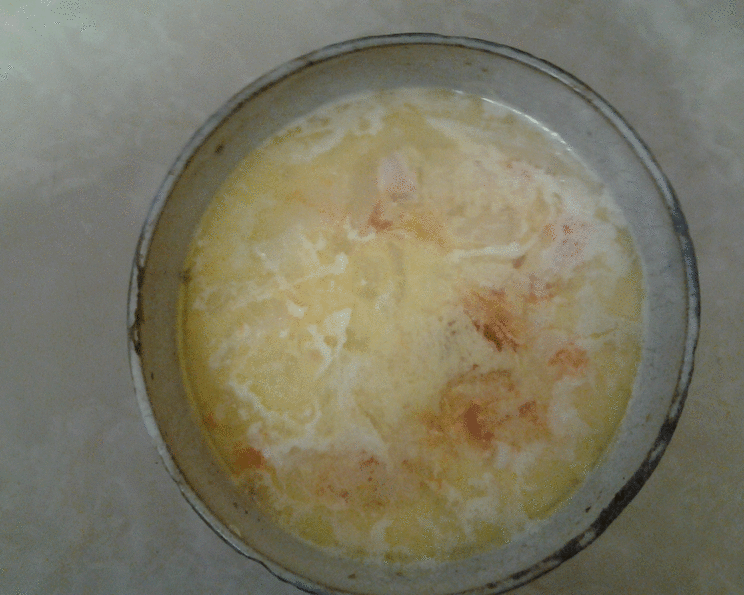
South Carolina Style Chicken Stew: A Culinary Hug
My grandmother, bless her heart, never measured a thing. She cooked by instinct, by memory, by the love she poured into every dish. I remember one chilly autumn afternoon, the aroma of something deeply savory and comforting wafted from her kitchen. It was chicken stew, but not just any chicken stew. It was South Carolina chicken stew, a creamy, soul-warming elixir that seemed to chase away the gray skies and leave only golden contentment in its wake. She always said it was a simple dish, but the secret was in the simmering, the layering of flavors, and a good dash of patience. Every spoonful felt like a hug from her, and now, I’m excited to share that hug with you.
Recipe Overview
- Prep Time: 15 minutes
- Cook Time: 1 hour 5 minutes
- Total Time: 1 hour 20 minutes
- Servings: 4-6
- Yield: ~8 cups
- Dietary Type: Comfort Food
Ingredients
- 3-4 boneless chicken breasts
- 1 (32 ounce) box chicken stock
- 2 medium onions
- 2 (12 ounce) cans evaporated milk
- 8 tablespoons unsalted butter
- Water
- Texas Pete hot sauce (optional, for serving)
Equipment Needed
- Dutch oven or soup pot
- Cutting board
- Sharp knife
- Measuring spoons
- Measuring cups
Instructions
-
Begin by preparing the chicken. If your chicken breasts have skin, remove it. Place the boneless chicken breasts in a dutch oven or a large soup pot.
-
Pour in the 32 ounces of chicken stock. Add enough water to cover the chicken breasts, ensuring there is at least 3 inches of liquid above them. This will allow the chicken to cook evenly and absorb the flavorful stock.
-
Bring the liquid to a gentle simmer over medium heat. Once simmering, poach the chicken breasts for 15 minutes. Poaching, rather than boiling, keeps the chicken tender and moist.
-
Carefully remove the poached chicken breasts from the pot and transfer them to a plate or cutting board to cool slightly. Reserve the flavorful chicken stock in the pot; this will form the base of our stew.
-
While the chicken is cooling, prepare the onions. Slice each of the 2 medium onions in half from “pole to pole” (from the root end to the stem end). Cut off both the root and tail ends, and then peel away the outer layers of the onions.
-
Slice the onions pole to pole into 1/4-inch thick slices. This even slicing ensures they cook uniformly.
-
Separate the onion slices with your fingers, and add them to the reserved chicken stock in the pot (remember, the chicken has been removed).
-
Continue simmering the onions in the chicken stock over medium-low heat until they become translucent and softened, which should take approximately 20-25 minutes. Stir occasionally to prevent sticking.
-
Once the chicken breasts are cool enough to handle, slice them into approximately 1-inch cubes. This size allows for easy eating and ensures the chicken is well-distributed throughout the stew.
-
When the onions are done cooking and are nice and translucent, gently add the cubed chicken back into the pot with the onions and chicken stock.
-
Pour in both cans of evaporated milk. Evaporated milk provides a creamy richness without the heaviness of cream.
-
Cut the 8 tablespoons of unsalted butter into 1 tablespoon pieces. Add the butter pieces to the pot, allowing them to melt into the stew. The butter adds richness and a velvety texture.
-
Heat the stew gently. Crucially, do not allow the stew to boil at any point after adding the evaporated milk. Boiling can cause the milk to separate, resulting in a curdled texture. Keep the heat low and stir occasionally to ensure even heating. The stew should be heated through, which should take another 10-15 minutes.
-
Serve the South Carolina chicken stew hot, and, as they do in South Carolina, with Texas Pete hot sauce (optional) for those who like a little kick.
Expert Tips & Tricks
- Don’t skip the poaching: Poaching the chicken breasts makes them incredibly tender. Overcooked chicken will be dry and stringy.
- Patience with the onions: Cooking the onions slowly until they are translucent is key to developing a deep, savory flavor. Rushing this step will result in a harsh onion taste.
- Low and slow is the way to go: Keeping the heat low after adding the evaporated milk is essential to prevent curdling. If you notice any signs of separation, immediately reduce the heat further and stir gently.
- For extra richness: Consider adding a tablespoon of heavy cream at the very end, but remember to keep the heat very low.
- Make it ahead: The stew can be made a day ahead and refrigerated. The flavors will meld together even more, making it even more delicious. Just reheat gently before serving.
Serving & Storage Suggestions
Serve the South Carolina chicken stew hot in bowls. A sprinkle of fresh parsley or a drizzle of Texas Pete hot sauce can add a touch of visual appeal and flavor.
Leftovers can be stored in an airtight container in the refrigerator for up to 3 days. For longer storage, freeze the stew in freezer-safe containers for up to 2 months. Thaw overnight in the refrigerator before reheating.
To reheat, either microwave individual portions or gently warm the stew in a saucepan over low heat, stirring occasionally. Add a splash of chicken stock or water if the stew becomes too thick during reheating.
Nutritional Information
| Nutrient | Amount per Serving | % Daily Value |
|---|---|---|
| Calories | 450 kcal | 23% |
| Total Fat | 30g | 46% |
| Saturated Fat | 18g | 90% |
| Cholesterol | 120mg | 40% |
| Sodium | 450mg | 19% |
| Total Carbohydrate | 20g | 7% |
| Dietary Fiber | 1g | 4% |
| Sugars | 5g | N/A |
| Protein | 30g | 60% |
Note: Nutritional information is an estimate and may vary based on specific ingredients and portion sizes.
Variations & Substitutions
- Creamier Stew: For a richer flavor, substitute half of the evaporated milk with heavy cream, but be careful not to boil.
- Vegetarian Option: Replace the chicken with cannellini beans or chickpeas for a vegetarian version. Use vegetable stock instead of chicken stock.
- Spicy Kick: Add a pinch of cayenne pepper or a dash of your favorite hot sauce while simmering the stew for extra heat.
- Different Vegetables: Feel free to add other vegetables like diced potatoes, carrots, or celery to the stew. Add them along with the onions.
- Thickening the Stew: If you prefer a thicker stew, mix 1 tablespoon of cornstarch with 2 tablespoons of cold water to form a slurry. Stir the slurry into the stew during the last 5 minutes of cooking.
FAQs (Frequently Asked Questions)
Q: Can I use chicken thighs instead of chicken breasts?
A: Yes, boneless, skinless chicken thighs can be used. They will add a slightly richer flavor to the stew. Poach them for a slightly longer time (about 20 minutes) to ensure they are fully cooked.
Q: Can I use regular milk instead of evaporated milk?
A: While you can, evaporated milk provides a richer and creamier texture compared to regular milk. If using regular milk, consider adding a tablespoon of flour to the onions as they cook to help thicken the stew.
Q: How do I prevent the milk from curdling?
A: The key is to avoid boiling the stew after adding the evaporated milk. Keep the heat low and stir gently.
Q: Can I freeze this stew?
A: Yes, this stew freezes well. Allow it to cool completely before transferring it to freezer-safe containers. Thaw overnight in the refrigerator before reheating.
Q: What side dishes go well with this stew?
A: Crackers, cornbread, or a simple green salad are all excellent accompaniments to South Carolina chicken stew.
Final Thoughts
This South Carolina chicken stew is more than just a recipe; it’s a culinary embrace, a taste of Southern comfort passed down through generations. It’s a dish that’s perfect for a chilly evening, a family gathering, or simply a moment of quiet indulgence. I encourage you to try this recipe and make it your own. Experiment with the variations, adjust the seasonings to your liking, and share it with those you love. I’m sure it will bring warmth and smiles to your table, just as it always has in mine. And don’t be afraid to serve with Texas Pete and see what a tasty difference it makes. Enjoy!