
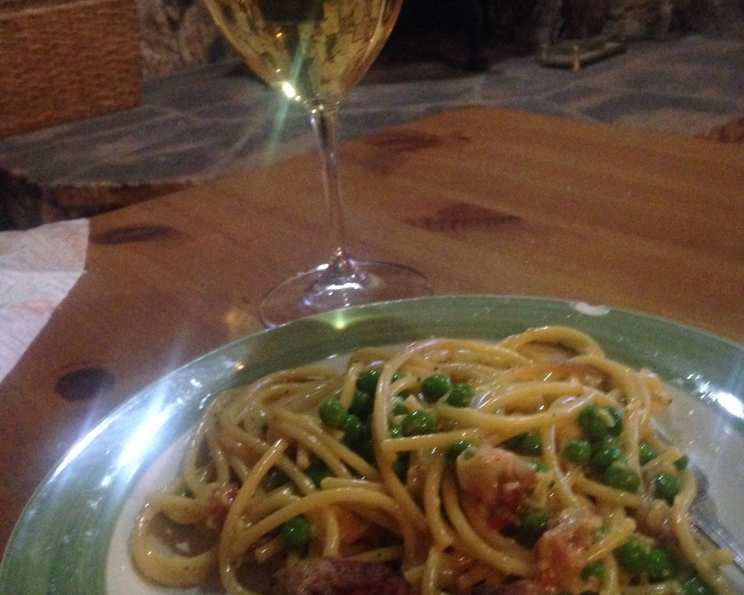
Spaghetti Alla Carbonara: A Culinary Classic
The first time I tasted authentic carbonara, I was a wide-eyed culinary student in Rome. Not the creamy, heavy sauce I’d known, but a silken, peppery embrace of pasta, egg yolk, and guanciale. It was a revelation, a testament to the beauty of simple, quality ingredients prepared with precision. That memory, that transformative bite, continues to inspire me to recreate that magic in my own kitchen, sharing the true essence of carbonara with anyone willing to taste the difference.
Recipe Overview
- Prep Time: 10 minutes
- Cook Time: 15 minutes
- Total Time: 25 minutes
- Servings: 2
- Yield: 2 servings
- Dietary Type: Not Gluten-Free
Ingredients
- 250 g spaghetti noodles
- 2 tablespoons butter
- 2 tablespoons extra virgin olive oil
- 4 ounces pancetta (cut into thin strips) or 4 ounces bacon (cut into thin strips)
- 1/3 cup dry white wine
- 4 egg yolks
- 4 tablespoons freshly grated parmesan cheese
- 1 tablespoon finely chopped flat leaf parsley
- Salt & freshly ground black pepper
Equipment Needed
- Large pot
- Small skillet
- Mixing bowl
- Whisk or fork
- Colander
Instructions
-
Begin by cooking the spaghetti according to the package directions. Be sure to generously salt the water; this is your primary chance to season the pasta itself. Cook until al dente, which translates to “to the tooth” meaning there should still be a slight resistance when bitten.
-
While the spaghetti is cooking, prepare the sauce. Place the butter and olive oil in a small skillet over medium-high heat. The combination of butter and olive oil adds richness and helps prevent the butter from burning.
-
Once the butter has melted, add the pancetta (or bacon). Cook, stirring occasionally, until the pancetta (or bacon) is well browned but not crisp. The goal is to render out the fat and achieve a flavorful, slightly chewy texture.
-
Pour in the dry white wine and continue cooking until it has been reduced by about half. This step adds acidity and depth of flavor, balancing the richness of the other ingredients. The wine should simmer and evaporate, leaving behind its essence.
-
Remove the skillet from the heat and set it aside. It’s crucial to prevent the pancetta mixture from continuing to cook and potentially drying out.
-
In a mixing bowl large enough to hold the cooked pasta, lightly beat the egg yolks with the grated parmesan cheese, finely chopped flat leaf parsley, a pinch of salt, and a generous amount of freshly ground black pepper. The egg yolks are the foundation of the sauce, providing its creamy texture and rich flavor. Freshly grated parmesan is essential for its nutty, savory notes.
-
When the spaghetti is cooked, immediately drain it, reserving about a cup of the pasta water. Add the drained spaghetti to the mixing bowl containing the egg yolks and cheese mixture.
-
Toss the spaghetti vigorously until it is thoroughly coated with the egg yolk mixture. The residual heat from the pasta will gently cook the egg yolks, creating a creamy sauce. If the sauce seems too thick, add a little of the reserved pasta water, a tablespoon at a time, until it reaches the desired consistency. The pasta water is starchy and will help to emulsify the sauce.
-
Add the hot pancetta mixture to the pasta.
-
Toss again to combine. Serve the spaghetti alla carbonara immediately. The heat from the pancetta mixture will further cook the egg yolks and ensure that the sauce is warm and luscious.
Expert Tips & Tricks
-
Temperature is Key: The success of carbonara hinges on the temperature of the ingredients. The pasta must be hot enough to cook the egg yolks without scrambling them. If the pasta cools too much, the sauce may be thin or separated.
-
Cheese Matters: Use freshly grated parmesan cheese for the best flavor and texture. Pre-grated cheese often contains cellulose, which can prevent it from melting smoothly.
-
Salt with Intention: Remember that the pancetta (or bacon) and parmesan cheese are both salty ingredients. Taste the sauce before adding any additional salt.
-
Reserved Pasta Water is Your Friend: Don’t discard the pasta water! It’s liquid gold for adjusting the consistency of the sauce. Add it gradually until you achieve the perfect creamy texture.
-
Egg Safety: Use pasteurized egg yolks if you are concerned about consuming raw or undercooked eggs.
Serving & Storage Suggestions
Serve Spaghetti Alla Carbonara immediately after preparation. The sauce is at its creamiest and most flavorful when freshly made. Garnish with additional grated parmesan cheese and a sprinkle of freshly chopped parsley. Pair it with a crisp, dry white wine such as Pinot Grigio or Vermentino.
Leftovers are best consumed within 24 hours. Store in an airtight container in the refrigerator. Reheating is not recommended, as the sauce may become grainy or separated. If you must reheat, do so gently over low heat, adding a splash of milk or cream to help maintain the creamy texture. Room temperature is not recommended due to the egg yolks. Freezing is also not recommended.
Nutritional Information
| Nutrient | Amount per Serving | % Daily Value |
|---|---|---|
| Calories | 650 kcal | 33% |
| Total Fat | 35g | 54% |
| Saturated Fat | 18g | 90% |
| Cholesterol | 300mg | 100% |
| Sodium | 600mg | 25% |
| Total Carbohydrate | 60g | 20% |
| Dietary Fiber | 3g | 12% |
| Sugars | 2g | 4% |
| Protein | 25g | 50% |
Variations & Substitutions
-
Guanciale: For a truly authentic carbonara, use guanciale instead of pancetta or bacon. Guanciale is cured pork cheek, which has a richer, more intense flavor.
-
Gluten-Free: Use gluten-free spaghetti for a gluten-free option. Be sure to choose a high-quality gluten-free pasta that holds its shape well during cooking.
-
Vegetarian (Modified): While traditional carbonara relies heavily on pork, you can create a vegetarian-friendly version by substituting the pancetta with sauteed mushrooms or zucchini. However, note that a truly authentic carbonara cannot be vegetarian.
-
Spicy Carbonara: Add a pinch of red pepper flakes to the pancetta mixture for a spicy kick.
-
Different Cheese: While parmesan is the classic choice, you can also use Pecorino Romano cheese for a sharper, saltier flavor.
FAQs (Frequently Asked Questions)
Q: Why is my carbonara sauce watery?
A: The most common cause is that the pasta wasn’t hot enough to cook the egg yolks properly. Make sure to drain the pasta and add it to the egg yolk mixture immediately. Adding pasta water can help, but too much water will thin the sauce.
Q: Can I use cream in carbonara?
A: Traditionally, no. Authentic carbonara relies on egg yolks, cheese, and pasta water for its creamy texture. Adding cream will result in a richer sauce, but it won’t be true carbonara.
Q: How do I prevent the eggs from scrambling?
A: Ensure the pasta is hot and toss it vigorously with the egg yolk mixture. Work quickly to distribute the heat evenly and prevent the eggs from cooking too rapidly.
Q: Can I make carbonara ahead of time?
A: Carbonara is best served immediately. The sauce will thicken and lose its creamy texture as it sits. However, you can prepare the ingredients ahead of time, such as cooking the pancetta and grating the cheese.
Q: What kind of wine goes best with carbonara?
A: A crisp, dry white wine such as Pinot Grigio or Vermentino pairs well with carbonara. The acidity of the wine cuts through the richness of the sauce.
Final Thoughts
Spaghetti Alla Carbonara, in its purest form, is a celebration of simplicity and flavor. It’s a reminder that sometimes, the most extraordinary dishes are born from a few high-quality ingredients and a touch of technique. Don’t be intimidated by the apparent simplicity; each step is crucial to achieving that perfect balance of creamy, savory, and peppery goodness. I encourage you to try this recipe, experiment with your own variations, and share the joy of authentic carbonara with your friends and family. Buon appetito!