
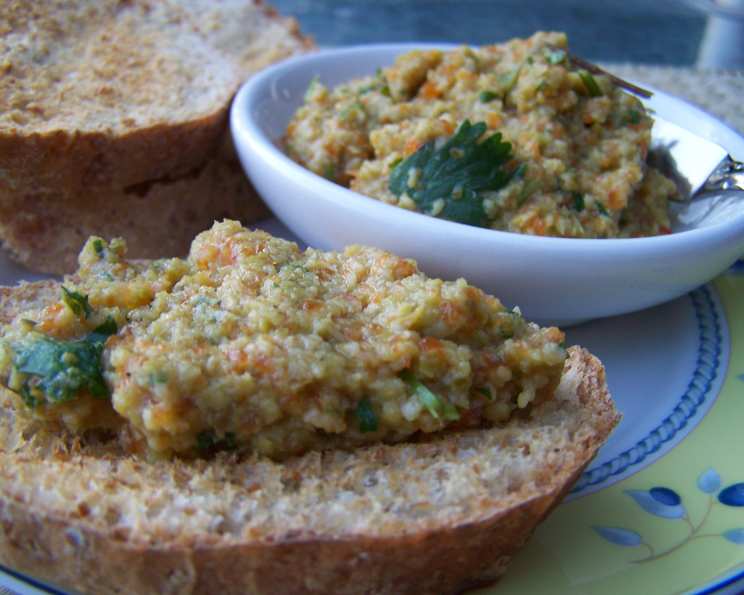
Spanish Olive Tapenade: A Taste of the Mediterranean Sun
My first encounter with tapenade wasn’t in a sun-drenched Spanish villa, as one might expect, but in a bustling market in Marseille. The air hummed with the Provençal dialect, mingling with the scent of lavender, ripe tomatoes, and something briny and intensely flavorful. A small, unassuming stall displayed rows of jars filled with dark, almost black pastes. The vendor, with a mischievous glint in his eye, offered me a taste on a crust of rustic bread. The explosion of salty olives, fragrant garlic, and bright herbs transported me instantly to the heart of the Mediterranean – a memory I’ve been chasing with every batch of tapenade I make.
Recipe Overview
- Prep Time: 5 minutes
- Total Time: 5 minutes + 1 hour resting
- Yields: 1 ½ cups
- Dietary Type: Vegan, Gluten-Free
Ingredients
- 1 ½ cups Spanish Manzanilla olives, pitted
- 1 garlic clove, finely chopped
- 1 teaspoon capers, drained
- ¼ cup extra virgin Spanish olive oil
- 1 teaspoon lemon juice
- 2 tablespoons fresh cilantro leaves, chopped
- Fresh ground black pepper, to taste
Equipment Needed
- Food processor
- Mixing bowl
- Spatula
Instructions
- In a food processor, combine the pitted Spanish Manzanilla olives, finely chopped garlic clove, and drained capers.
- Process until just smooth, scraping down the sides of the bowl if necessary to ensure all ingredients are evenly incorporated. You want a slightly coarse texture, not a completely smooth paste.
- With the machine running on low speed, slowly drizzle in the extra virgin Spanish olive oil and lemon juice. Process until well combined, creating a creamy emulsion. The consistency should be thick but spreadable.
- Transfer the mixture to a mixing bowl.
- Fold in the chopped fresh cilantro leaves and fresh ground black pepper, adjusting the amount of pepper to your liking. Be gentle when folding to avoid bruising the cilantro.
- Let rest at room temperature for 1 hour to allow the flavors to blossom and meld together. This step is crucial for developing the full depth of the tapenade.
- Serve on large croutons that have been brushed with oil and toasted.
Expert Tips & Tricks
- Olive Variety Matters: While Manzanilla olives are traditional, you can experiment with other Spanish olive varieties like Gordal or Arbequina for subtle flavor variations. Each type offers a different level of brininess and richness.
- Garlic Taming: If you prefer a milder garlic flavor, blanch the chopped garlic in boiling water for a minute before adding it to the food processor. This will mellow out its sharpness.
- Oil Quality is Key: Using high-quality extra virgin Spanish olive oil is essential for the best flavor. The oil contributes significantly to the overall taste and texture of the tapenade.
- Texture Control: For a chunkier tapenade, pulse the ingredients in the food processor instead of processing continuously. This will maintain more of the olive’s natural texture.
- Flavor Boost: A pinch of red pepper flakes can add a subtle kick of heat to your tapenade. Alternatively, a few anchovy fillets (if not vegan) can deepen the savory flavor profile.
- Make-Ahead Magic: Tapenade can be made up to 3 days in advance and stored in an airtight container in the refrigerator. This allows the flavors to further develop. Just bring it to room temperature before serving.
- Reviving Tapenade: If your tapenade seems a little dry after chilling, simply stir in a tablespoon or two of extra virgin olive oil to restore its creamy consistency.
Serving & Storage Suggestions
Spanish Olive Tapenade is incredibly versatile. It’s traditionally served on toasted baguette slices or croutons as an appetizer or snack. However, don’t limit yourself!
- Appetizer: Spread it on crostini, crackers, or pita bread.
- Sandwich Spread: Use it as a flavorful alternative to mayonnaise in sandwiches or wraps.
- Pasta Sauce: Toss it with cooked pasta for a quick and easy meal.
- Pizza Topping: Spread it on pizza dough before baking for a Mediterranean-inspired pizza.
- Fish or Chicken Accompaniment: Serve it alongside grilled fish or chicken for a burst of flavor.
- Vegetable Dip: Offer it as a dip for raw vegetables like carrots, celery, and cucumbers.
Storage: Tapenade can be stored in an airtight container in the refrigerator for up to 5 days. It is not recommended to freeze tapenade as the texture may change upon thawing.
Nutritional Information
Estimated nutritional values per serving (approximately 2 tablespoons):
| Nutrient | Amount per Serving | % Daily Value |
|---|---|---|
| Calories | 120 kcal | 6% |
| Total Fat | 12g | 18% |
| Saturated Fat | 1.5g | 8% |
| Cholesterol | 0mg | 0% |
| Sodium | 250mg | 11% |
| Total Carbohydrate | 2g | 1% |
| Dietary Fiber | 1g | 4% |
| Sugars | 0g | 0% |
| Protein | 0.5g | 1% |
Variations & Substitutions
- Herb Variations: Experiment with different herbs like oregano, thyme, or rosemary instead of, or in addition to, cilantro.
- Nutty Twist: Add a tablespoon of toasted pine nuts or almonds for added texture and flavor.
- Spicy Tapenade: Incorporate a pinch of red pepper flakes or a finely chopped chili pepper for a spicy kick.
- Lemon Zest: Add the zest of half a lemon for a brighter, more citrusy flavor.
- Vegan Anchovy Substitute: Use a small amount of seaweed flakes to mimic the umami flavor of anchovies for a vegan-friendly version.
- Olive Oil Infusion: Infuse your olive oil with garlic and herbs beforehand to add extra flavor depth.
- Other Olives: Although this is a Spanish Tapenade, you can try using Kalamata or other Mediterranean olives. Be aware that the saltiness may change.
FAQs (Frequently Asked Questions)
Q: Can I make tapenade without a food processor?
A: Yes, you can finely chop all the ingredients by hand and then mix them together in a bowl. It will require more effort and the texture will be chunkier, but it’s a perfectly acceptable method.
Q: How long does tapenade last in the refrigerator?
A: Tapenade will typically last for up to 5 days in an airtight container in the refrigerator. Be sure to use clean utensils when serving to prevent contamination.
Q: Can I use other types of olives besides Manzanilla?
A: While Manzanilla olives are traditional for Spanish tapenade, you can experiment with other varieties like Kalamata or Cerignola. Keep in mind that different olives will have different flavor profiles and levels of saltiness.
Q: My tapenade is too salty. How can I fix it?
A: If your tapenade is too salty, try adding a squeeze of fresh lemon juice or a small amount of extra virgin olive oil to balance the flavors. You can also add a finely chopped tomato or cucumber to dilute the saltiness.
Q: Can I freeze tapenade?
A: Freezing tapenade is not recommended as the texture may change upon thawing, becoming watery or mushy. It’s best to enjoy it fresh or store it in the refrigerator for a few days.
Final Thoughts
This Spanish Olive Tapenade recipe is a simple yet flavorful way to bring a taste of the Mediterranean to your table. Don’t be afraid to experiment with different ingredients and variations to create your own signature version. Whether you’re serving it as an appetizer, spreading it on sandwiches, or using it as a flavorful addition to your favorite dishes, this tapenade is sure to impress. So, gather your ingredients, fire up your food processor, and get ready to experience the vibrant flavors of Spain! And don’t forget to let me know what you think – I love hearing how you make it your own! Enjoy!