
The Unexpected Kitchen Hero: Reviving Stainless Steel with Cream of Tartar
My grandmother, bless her heart, had a saying for everything. And when I first splurged on a set of beautiful stainless steel cookware, I thought I was entering a world of culinary perfection. Then reality hit: scorched rice, burnt-on sauces, and the dreaded, seemingly permanent, pan stains. I remember calling her, practically in tears, convinced I’d ruined my investment. She chuckled, a sound that always made me feel better, and said, “Honey, have you tried the old cream of tartar trick?” That’s how I learned that sometimes the simplest solutions, passed down through generations, are the most effective. Now, I’m sharing that wisdom with you.
Recipe Overview
- Prep Time: 2 minutes
- Cook Time: 15 minutes
- Total Time: 17 minutes
- Servings: Varies by pan size
- Yield: Clean pot or pan
- Dietary Type: Vegan, Gluten-Free, Dairy-Free, Allergen-Free
Ingredients
- 1 tablespoon cream of tartar (adjust depending on the pan size and severity of the residue)
- Water (enough to cover the burnt or stuck-on food residue, typically 1-2 inches)
Equipment Needed
- Stainless steel pot or pan
- Stovetop
- Spoon or spatula
- Non-abrasive sponge or scrubber
Instructions
-
Begin by assessing the damage. Sprinkle the cream of tartar directly onto the burnt or stuck-on food residue in the stainless steel pan. The amount you’ll need depends on the size of the pan and the extent of the mess. For a small saucepan, a tablespoon should suffice. For a larger pan, you might need a bit more.
-
Next, pour water over the cream of tartar. The water level should be high enough to completely cover the affected area. If the residue is particularly thick and stubborn, add more water, allowing for a longer boiling time. If it’s a thin layer, an inch or two of water is usually enough.
-
Place the pan on the stovetop and bring the water to a boil over medium heat. As the water boils, the cream of tartar will work its magic, loosening the bond between the food residue and the stainless steel surface.
-
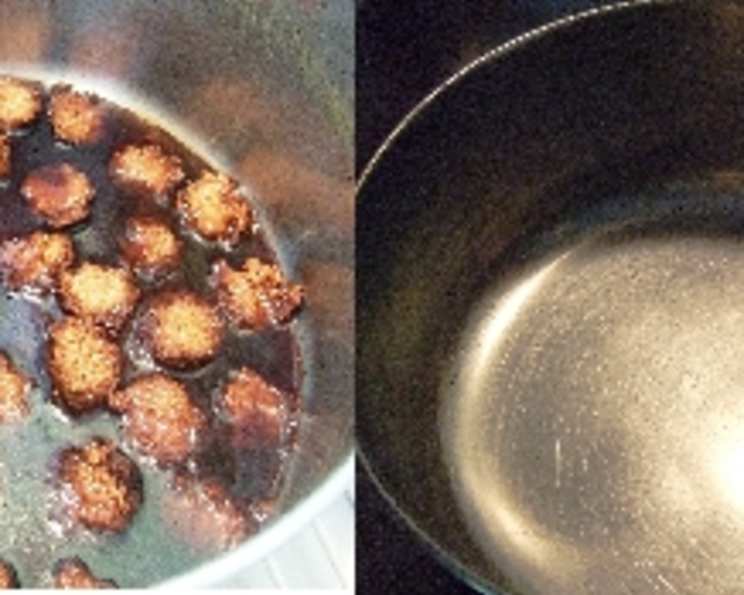
Continue boiling the mixture until you notice the crud starting to flake off. This can take anywhere from 5 to 15 minutes, depending on how burnt the food is. Keep an eye on the pan and add more water if necessary to prevent it from boiling dry.
-
Once most of the residue has visibly flaked off, remove the pan from the heat. Carefully pour out the hot water. Allow the pan to cool slightly before handling.
-
With a non-abrasive sponge or scrubber, gently scrub the remaining residue. Because the boiling process has already loosened the bond, the rest should come off relatively easily. Avoid using steel wool or harsh abrasive cleaners, as these can scratch the stainless steel surface.
-
Rinse the pan thoroughly with water and wash it as usual with soap and water. Dry completely to prevent water spots. Your stainless steel pan should now be clean and ready for its next culinary adventure!
Expert Tips & Tricks
- Preventative Measures: To minimize burnt-on messes in the first place, always cook over medium or low heat, especially with delicate foods like sauces and rice. Stir frequently and keep a close eye on the pan.
- Deglazing is your friend: After searing meats or vegetables, deglaze the pan with wine, broth, or water. This not only adds flavor to your dish but also helps prevent residue from sticking to the bottom.
- Tough Stains: For truly stubborn stains, you can create a paste of cream of tartar and water and apply it directly to the affected area. Let it sit for 30 minutes before scrubbing and rinsing.
- Baking Soda Boost: Add a tablespoon of baking soda to the cream of tartar and water mixture for an extra cleaning boost. Baking soda is a mild abrasive that can help loosen tough stains.
- Heat Control: Be mindful of the heat setting. High heat can cause food to burn quickly, making it harder to clean. Start with medium heat and adjust as needed.
Serving & Storage Suggestions
This method is solely for cleaning purposes and doesn’t involve “serving” anything edible! The clean pan, however, is ready to be used immediately. Store your clean, dry stainless steel cookware in a dry place, preferably in a pot rack or cupboard where they won’t be scratched or damaged. Clean your pans promptly after use to prevent residue from hardening and becoming more difficult to remove.
Nutritional Information
Since this is a cleaning method and not a consumable recipe, there is no nutritional information to provide.
Variations & Substitutions
While cream of tartar is the star of this cleaning show, there are a few alternatives you can try:
- Baking Soda: Make a paste of baking soda and water and apply it to the burnt area. Let it sit for a few minutes before scrubbing.
- Vinegar: Boil a mixture of water and white vinegar in the pan. The acidity of the vinegar can help loosen burnt food.
- Lemon Juice: Similar to vinegar, lemon juice can also help cut through grease and grime. Boil a mixture of water and lemon juice in the pan.
- Commercial Stainless Steel Cleaners: If you prefer a store-bought solution, there are many stainless steel cleaners available that are specifically designed to remove burnt-on food.
FAQs (Frequently Asked Questions):
Q: Why does cream of tartar work so well for cleaning stainless steel?
A: Cream of tartar, or potassium bitartrate, is a mild acid that helps to break down the bond between burnt food and the stainless steel surface.
Q: Can I use this method on other types of cookware?
A: While this method is primarily for stainless steel, it can also be effective on other types of cookware, such as enamel-coated cast iron. However, it’s always best to test a small, inconspicuous area first to ensure it doesn’t damage the surface.
Q: How often should I clean my stainless steel pans with cream of tartar?
A: You can use this method as needed, whenever you have burnt-on food or stubborn stains that are difficult to remove with regular washing.
Q: Is it safe to use cream of tartar in my cookware?
A: Yes, cream of tartar is a food-grade ingredient and is perfectly safe to use in your cookware. Just be sure to rinse the pan thoroughly after cleaning.
Q: What if the cream of tartar method doesn’t completely remove the burnt food?
A: For particularly stubborn stains, you may need to repeat the process or try a combination of methods, such as using a baking soda paste after boiling with cream of tartar.
Final Thoughts
Don’t let a little burnt food discourage you from enjoying your stainless steel cookware. With this simple cream of tartar trick, you can keep your pans looking their best and continue creating delicious meals for years to come. Give it a try, and you might be surprised at how easily you can restore your cookware to its former glory. And if you have any other tried-and-true cleaning methods, be sure to share them in the comments below! Happy cooking (and cleaning)!