
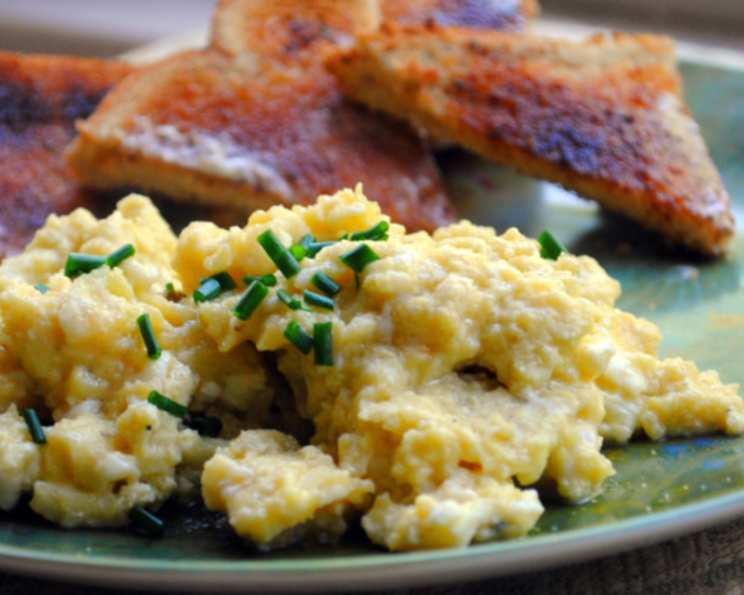
Sublime Scrambled Eggs by Gordon Ramsay: A Culinary Masterpiece
The first time I tasted scrambled eggs that truly resonated with me, it wasn’t in some fancy restaurant but in my own humble kitchen. After years of rubbery, overcooked attempts, I stumbled upon a technique that transformed this simple breakfast staple into something extraordinary. It was a revelation—creamy, luscious, and bursting with flavor. This recipe evokes the same sense of awakening, turning a mundane dish into a sublime experience. It’s not just about cooking eggs; it’s about understanding the delicate dance between heat, fat, and patience.
Recipe Overview
- Prep Time: 2 minutes
- Cook Time: 5 minutes
- Total Time: 7 minutes
- Servings: 3
- Yield: 3 servings
- Dietary Type: Not specified
Ingredients
- 6 large eggs
- 3 tablespoons butter, diced (ice-cold)
- 2 tablespoons crème fraîche
- Freshly ground sea salt and pepper
- 3 chives, snipped (substitute with green onion if necessary)
- 3 slices rustic bread to serve (such as pain Polaâne)
Equipment Needed
- Heavy-based pan
- Spatula
- Toaster
Instructions
- Break the eggs into a cold, heavy-based pan. It’s crucial that the pan is cold to begin with, as this allows for gentle cooking and prevents the eggs from seizing.
- Place the pan on the lowest heat possible. Patience is key here; low and slow is the mantra for perfect scrambled eggs.
- Add half of the diced, ice-cold butter to the pan. The cold butter acts as an emulsifier, contributing to the creamy texture.
- Using a spatula, stir the eggs frequently to combine the yolks with the whites. This constant movement is essential for creating a homogenous, fluffy mixture. Ensure you’re scraping the bottom and sides of the pan to prevent sticking and even cooking.
- As the mixture begins to set, add the remaining butter. The gradual addition of butter ensures a consistent level of richness and prevents the eggs from becoming greasy.
- The eggs will take approximately 4-5 minutes to scramble. Remember, they should still be soft and quite lumpy. This is where many cooks go wrong, overcooking the eggs until they become dry and rubbery. Aim for a custard-like consistency.
- Don’t let the eggs get too hot. The residual heat of the pan will continue to cook the eggs even after you remove it from the burner. Keep moving the pan off and back on the heat to control the cooking process and prevent overcooking.
- Meanwhile, toast the bread. Opt for a rustic loaf like sourdough or pain Polaâne for a delightful textural contrast to the creamy eggs.
- Add the crème fraîche and season the eggs at the last minute with freshly ground sea salt and pepper. Seasoning at the end preserves the flavor and prevents the salt from drawing out moisture during cooking.
- Add the snipped chives.
- Put the toast on warm plates, pile the softly scrambled eggs on top, and serve immediately.
Expert Tips & Tricks
- The Cold Pan Secret: Starting with a cold pan allows for a more gradual cooking process, preventing the eggs from curdling too quickly.
- Butter, Butter, Butter: Don’t skimp on the butter! It’s essential for creating that signature creamy texture. Ensure it’s ice-cold for best results.
- Heat Control is Key: Mastering heat control is paramount. Don’t be afraid to take the pan off the heat periodically to prevent overcooking.
- Crème Fraîche Timing: Adding the crème fraîche at the very end ensures its delicate flavor isn’t lost during the cooking process.
- Bread Choice Matters: While any toast will work, a rustic, crusty bread provides a wonderful textural contrast to the creamy eggs. Sourdough, pain Polaâne, or even a good quality whole-wheat bread are excellent choices.
Serving & Storage Suggestions
Serve these sublime scrambled eggs immediately for the best taste and texture. The warm toast and creamy eggs are a match made in heaven. Garnish with extra snipped chives for a pop of color.
Leftovers are best avoided, as scrambled eggs tend to become rubbery upon reheating. However, if you must store them, place them in an airtight container in the refrigerator. Consume within 24 hours. Reheating is not recommended, but if necessary, use a low heat on the stovetop with a splash of milk or cream to help rehydrate them.
Nutritional Information
| Nutrient | Amount per Serving | % Daily Value |
|---|---|---|
| Calories | 279 kcal | N/A |
| Total Fat | 24.7 g | 38% |
| Saturated Fat | 12.7 g | 63% |
| Cholesterol | 416.2 mg | 138% |
| Sodium | 247.2 mg | 10% |
| Total Carbohydrate | 1 g | 0% |
| Dietary Fiber | 0 g | 0% |
| Sugars | 0.4 g | 1% |
| Protein | 12.9 g | 25% |
Variations & Substitutions
- Spicy Kick: Add a pinch of red pepper flakes to the eggs while cooking for a touch of heat.
- Herbaceous Delight: Incorporate other fresh herbs like dill, parsley, or tarragon in addition to (or instead of) the chives.
- Cheese Lover’s Edition: Stir in a tablespoon of grated Parmesan cheese or Gruyère cheese at the end for a richer, cheesier flavor.
- Truffle Indulgence: Drizzle a few drops of truffle oil over the finished eggs for an opulent twist.
- Smoked Salmon Scramble: Top the scrambled eggs with smoked salmon and a squeeze of lemon juice for a luxurious brunch option.
- Vegetarian Boost: Add sautéed mushrooms, spinach, or roasted red peppers to the eggs for added nutrients and flavor.
- Crème Fraiche Alternative: While crème fraiche provides a unique tang, sour cream can be used as a substitute in a pinch. Greek yogurt is another, albeit tangier, alternative.
FAQs (Frequently Asked Questions)
Q: Why use a cold pan to start?
A: Starting with a cold pan allows the eggs to cook slowly and gently, preventing them from curdling too quickly and resulting in a creamier texture.
Q: Can I use regular salt instead of sea salt?
A: Yes, you can use regular salt if you don’t have sea salt on hand. However, sea salt often has a cleaner, brighter flavor.
Q: Can I make this recipe ahead of time?
A: Scrambled eggs are best served immediately. Making them ahead of time will result in a rubbery texture.
Q: What if I don’t have crème fraîche?
A: Sour cream can be used as a substitute for crème fraîche, though it might slightly alter the flavor profile. Greek yogurt is another alternative, but it will be tangier.
Q: How do I know when the eggs are done?
A: The eggs should be soft, lumpy, and slightly runny. They should not be completely dry or firm. Remember that they will continue to cook from the residual heat.
Final Thoughts
This recipe for sublime scrambled eggs isn’t just about following instructions; it’s about embracing a technique that elevates a simple dish to extraordinary heights. The result is a creamy, flavorful, and unforgettable experience. So, go ahead, gather your ingredients, and prepare to be amazed. Don’t be afraid to experiment with variations to make it your own. And most importantly, share your creations and experiences with fellow food lovers! These scrambled eggs are not merely a breakfast item, but an opportunity to start your day on a deliciously high note.