
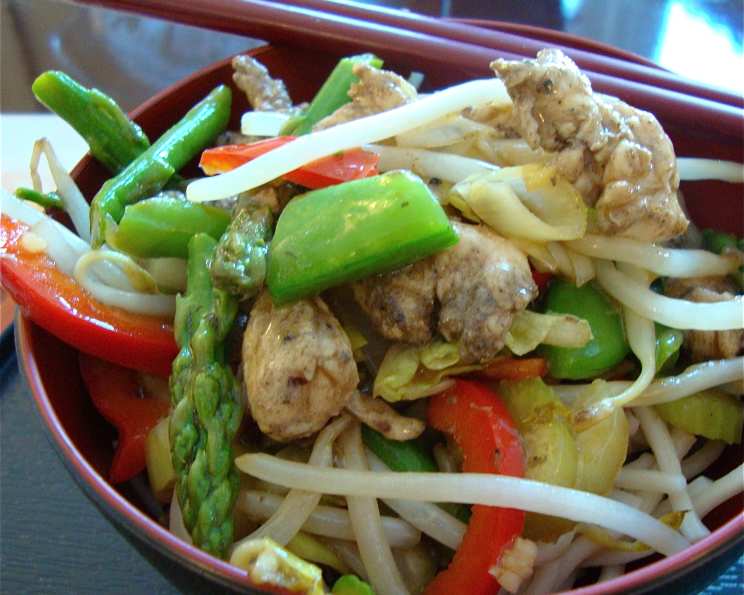
Szechuan Braised Chicken: A Fiery Family Favorite
The first time I tasted Szechuan Braised Chicken, I was a wide-eyed culinary student visiting a tiny, bustling restaurant in Chengdu. The air, thick with the aroma of chili and peppercorns, hung heavy and warm. I remember the vibrant red hue of the dish, the tender chicken practically melting in my mouth, and that unmistakable tingling sensation that danced across my tongue – the signature ma la of Szechuan cuisine. It was an experience that forever altered my understanding of flavor, and I’ve been chasing that authentic taste ever since.
Recipe Overview
- Prep Time: 30 minutes
- Cook Time: 16 minutes
- Total Time: 46 minutes
- Servings: 3-4
- Yield: Variable, depending on vegetable quantity
- Dietary Type: Potentially Gluten-Free (check soya sauce)
Ingredients
- 1 tablespoon peanut oil
- 1 lb chicken breast, cubed
- 4 cups Chinese vegetables (bok choy, bean sprouts, capsicum, onion, broccoli, asparagus, Chinese leaf, baby corn – a mixture is recommended)
- 1 teaspoon five-spice powder
- ½ teaspoon Szechuan peppercorns
- ½ cup chicken stock
- 1 tablespoon soya sauce (tamari for gluten-free)
- 1 teaspoon sesame oil
- 2 dried bird’s eye chiles
- 1 teaspoon rice vinegar
- 1 tablespoon dry sherry
- 2 garlic cloves, crushed
- 2 teaspoons fresh ginger, grated
- 1 teaspoon cornflour, heaped
Equipment Needed
- Wok or large frying pan
- Small dry pan
- Small bowl or cup
- Warm oven (optional)
Instructions
- Begin by preparing your vegetables. The beauty of this dish lies in the variety, so feel free to mix and match based on your preferences and what’s available. Classic choices include bok choy, bean sprouts, capsicum (bell peppers), onion, broccoli, asparagus, Chinese leaf (Napa cabbage), and baby corn.
- Next, prepare the chili. Crush the dried bird’s eye chiles and set them aside. Be careful handling them, as the oils can irritate your skin. You can adjust the quantity based on your spice tolerance.
- If you are using asparagus and broccoli, blanch them briefly. Bring a pot of water to a boil, add the asparagus and broccoli, and cook for 2 minutes. Drain them and add them to the other vegetables, along with the crushed garlic and grated ginger.
- Now, focus on the Szechuan peppercorns. In a small, dry pan, toast the Szechuan peppercorns over medium heat until they become fragrant. This should only take a minute or two. Be careful not to burn them, as they will become bitter. Once toasted, crush the peppercorns and add them to the cubed chicken breast.
- Add the five-spice powder to the chicken. Drizzle just enough peanut oil over the chicken to coat it. Marinate the chicken for at least half an hour, or longer if time allows.
- Prepare the sauce. In a cup or small bowl, combine the chicken stock, soya sauce, sesame oil, rice vinegar, and dry sherry. In a separate small bowl, mix the cornflour with a little water to form a slurry. This will prevent lumps when you add it to the sauce.
- Heat your wok or large frying pan over high heat. Add half of the peanut oil. Once the oil is hot, stir-fry the vegetables until they are tender-crisp. This should only take a few minutes. Remove the vegetables from the wok and place them in a warm oven (if using) to keep them hot.
- Add the remaining peanut oil to the wok. Quickly stir-fry the marinated chicken for just a minute or two, until it’s lightly browned on the outside but not fully cooked through.
- Pour the sauce mixture into the wok with the chicken. Stir continuously until the sauce thickens. This will happen quickly, thanks to the cornflour slurry.
- Toss the stir-fried vegetables back into the wok with the chicken and sauce. Stir quickly to combine everything and ensure the vegetables are coated in the sauce.
- Serve immediately, preferably with your choice of noodles.
Expert Tips & Tricks
- Tenderize the Chicken: For even more tender chicken, you can marinate it with a pinch of baking soda for 15-20 minutes before cooking. Be sure to rinse it thoroughly before adding it to the other marinade ingredients.
- Master the Ma La: The ma la sensation is crucial to authentic Szechuan flavor. It comes from the Szechuan peppercorns. If you can’t find them, you can substitute with a pinch of white pepper and a tiny drop of citrus oil (like grapefruit or lime). However, the true flavor is worth seeking out.
- Adjust the Spice: Feel free to adjust the amount of chili based on your preference. For a milder dish, remove the seeds from the dried chilies. For extra heat, add a pinch of chili flakes.
- Don’t Overcrowd the Wok: Stir-frying is all about high heat and quick cooking. Overcrowding the wok will lower the temperature and cause the ingredients to steam instead of stir-fry. Cook in batches if necessary.
- Make Ahead: You can prepare the vegetables and the sauce ahead of time. Store them separately in the refrigerator. When you’re ready to cook, simply stir-fry the vegetables and chicken, then add the sauce.
Serving & Storage Suggestions
Serve the Szechuan Braised Chicken hot and fresh, ideally over a bed of your favorite noodles – egg noodles, rice noodles, or even udon noodles all work well. Garnish with a sprinkle of fresh cilantro or chopped scallions for a pop of color and freshness.
Leftovers can be stored in an airtight container in the refrigerator for up to 3 days. To reheat, gently warm the chicken and vegetables in a wok or frying pan over medium heat. You may need to add a splash of water or chicken stock to prevent it from drying out. Reheating in the microwave is also an option, but the texture may not be as good. I don’t recommend freezing this dish as the vegetables can become mushy upon thawing.
Nutritional Information
| Nutrient | Amount per Serving | % Daily Value |
|---|---|---|
| Calories | 344.4 kcal | N/A |
| Calories from Fat | N/A | 54% |
| Total Fat | 20.6 g | 31% |
| Saturated Fat | 5.2 g | 25% |
| Cholesterol | 98 mg | 32% |
| Sodium | 488.9 mg | 20% |
| Total Carbohydrate | 3.8 g | 1% |
| Dietary Fiber | 0.3 g | 1% |
| Sugars | 1 g | 3% |
| Protein | 33.5 g | 66% |
Note: Nutritional information is an estimate and may vary based on specific ingredients and portion sizes.
Variations & Substitutions
- Vegetarian/Vegan: Substitute the chicken with firm tofu or tempeh, cubed. Use vegetable stock instead of chicken stock. Ensure your soya sauce is vegan (some contain honey).
- Gluten-Free: Use tamari or a gluten-free soya sauce.
- Spice Level: Adjust the amount of dried chilies to suit your taste. You can also add a dash of chili oil for extra heat.
- Vegetable Variations: Feel free to experiment with different vegetables based on what’s in season or what you have on hand. Mushrooms, bamboo shoots, and water chestnuts are all great additions.
- Nut Allergy: Replace peanut oil with vegetable oil or canola oil.
FAQs (Frequently Asked Questions)
Q: What does “ma la” mean?
A: Ma la is a characteristic flavor of Szechuan cuisine that combines numbing (ma) and spicy (la) sensations, primarily derived from Szechuan peppercorns and chili peppers.
Q: Can I use chicken thighs instead of chicken breast?
A: Yes, you can use chicken thighs. They will result in a richer flavor and slightly more tender texture. Adjust cooking time accordingly to ensure they are cooked through.
Q: Where can I find Szechuan peppercorns?
A: Szechuan peppercorns can typically be found in Asian supermarkets or specialty spice shops. You can also order them online.
Q: Can I make this dish ahead of time?
A: Yes, you can prepare the vegetables and sauce in advance. Store them separately and combine them when you’re ready to cook. Cooking and holding the chicken is not recommended.
Q: What kind of noodles go best with this dish?
A: Egg noodles, rice noodles, and udon noodles all pair well with Szechuan Braised Chicken. Choose your favorite or experiment with different types.
Final Thoughts
Szechuan Braised Chicken is more than just a recipe; it’s an experience – a journey to the heart of Szechuan cuisine. Don’t be intimidated by the list of ingredients or the unfamiliar spices. Embrace the process, experiment with the flavors, and create a dish that reflects your own personal taste. I encourage you to try this recipe and share your feedback, your variations, and your own culinary adventures. Pair it with a crisp, dry white wine like Riesling to balance the spice, or a refreshing Chinese beer. Enjoy!