
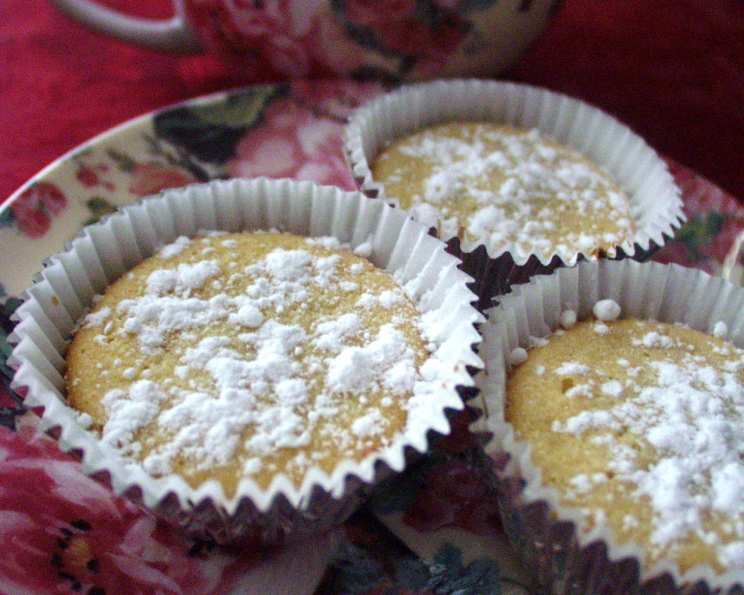
Tangerine Tea Cakes: Little Bites of Sunshine
I remember the first time I tasted something truly extraordinary made with tangerines. It wasn’t the usual Christmas morning peeling of the bright orange fruit, its juice spraying my pajamas, but a tiny, unassuming tea cake at a Parisian patisserie. The delicate citrus perfume, the melt-in-your-mouth texture, and the subtle almond notes captivated me. It was a revelation that these little suns could be transformed into something so elegant and refined. Ever since then, I’ve been on a quest to recreate that moment, and this recipe comes wonderfully close.
Recipe Overview
- Prep Time: 15 minutes
- Cook Time: 20 minutes
- Total Time: 35 minutes
- Servings: 14
- Yield: 60 tea cakes
- Dietary Type: Gluten-Free
Ingredients
- 7 ounces almond paste
- 1 tablespoon tangerine marmalade
- 2 tangerines, zest of
- 3 eggs
- 1 egg yolk
- 1/4 cup flour
- 7 tablespoons unsalted butter, melted
- Powdered sugar, for dusting
Equipment Needed
- Mixer
- Silicone tart pan, petit four paper cups, or mini muffin paper cups
- Sheet pan (if using paper cups)
- Spoon or pastry bag (optional, for filling)
Instructions
-
First, prepare your baking vessel. These delightful tea cakes can be prepared in a silicone tart pan, petit four paper cups, or mini muffin paper cups. If using paper cups, arrange them neatly on a sheet pan. The final yield will depend on the size of the molds or cups you choose.
-
Preheat your oven to 350 degrees F (175 degrees C). Ensuring your oven is properly preheated is crucial for even baking and achieving the correct texture.
-
In the bowl of a mixer, combine the almond paste, tangerine marmalade, and tangerine zest. Beat on medium speed for a few minutes, until the almond paste breaks apart and the mixture is well combined. The goal is to create a smooth base for the batter.
-
Add the eggs one at a time, fully incorporating each egg before adding the next. The eggs provide structure and richness to the tea cakes. Add the egg yolk last; this contributes to the tender crumb.
-
On low speed, gently mix in the flour until just combined. Be careful not to overmix, as this can develop the gluten in the flour and result in a tougher tea cake.
-
Scrape down the sides of the bowl to ensure all ingredients are evenly incorporated. This is an important step to prevent any lumps of almond paste or flour from remaining in the batter.
-
Add the melted butter to the bowl and mix until blended. The melted butter adds moisture and richness, contributing to the tea cakes’ delicate texture. Do not overheat the butter; it should be melted but not hot.
-
The batter will be quite thin. This is expected and contributes to the light, airy texture of the final tea cakes.
-
Fill the tart pan or paper cups nearly full using a spoon or pastry bag, if preferred. Be careful not to overfill, as the batter will rise slightly during baking. Leaving a small space at the top will prevent overflow.
-
Bake in the preheated oven until the tea cakes are firm and lightly browned. This usually takes about 20 minutes, but baking times can vary depending on your oven and the size of the tea cakes. Check for doneness by gently pressing the center of a tea cake; it should spring back slightly. If using a toothpick, it should come out clean or with a few moist crumbs attached.
-
Cool completely on a wire rack. This allows the tea cakes to set properly and prevents them from becoming soggy.
-
Once completely cool, dust generously with powdered sugar. This adds a touch of sweetness and elegance to the presentation. These can be served right in the cups, making them perfect for parties.
Expert Tips & Tricks
- Use high-quality almond paste: The quality of the almond paste significantly impacts the flavor of the tea cakes. Look for a brand with a high almond content and a smooth texture.
- Zest the tangerines directly before using: This ensures the zest is at its most fragrant and flavorful.
- Melt the butter slowly: This prevents it from browning or burning, which can affect the taste of the tea cakes. You can melt the butter in a saucepan over low heat or in the microwave in short bursts.
- Don’t overbake: Overbaking will result in dry, crumbly tea cakes. Keep a close eye on them during the last few minutes of baking.
- For a richer flavor, use brown butter: Gently cooking the butter until it turns a nutty brown color adds depth and complexity to the flavor of the tea cakes. Let the brown butter cool slightly before adding it to the batter.
- Add a splash of tangerine liqueur: A teaspoon of tangerine liqueur (like Grand Marnier) can enhance the citrus flavor. Add it along with the melted butter.
Serving & Storage Suggestions
Serve these delicate tangerine tea cakes as part of an afternoon tea spread, alongside other dainty treats like scones and finger sandwiches. They are also lovely with a cup of coffee or a glass of dessert wine.
Store the tea cakes in an airtight container at room temperature for up to 3 days. For longer storage, you can freeze them for up to 2 months. Thaw them completely before serving. You can also refresh them by dusting with a little extra powdered sugar before serving.
Nutritional Information
| Nutrient | Amount per Serving | % Daily Value |
|---|---|---|
| Calories | 150 kcal | 8% |
| Total Fat | 11g | 17% |
| Saturated Fat | 4.5g | 22% |
| Cholesterol | 67mg | 22% |
| Sodium | 19mg | 1% |
| Total Carbohydrate | 10g | 3% |
| Dietary Fiber | 1g | 4% |
| Sugars | 6g | 12% |
| Protein | 3g | 6% |
Please note: These values are estimates and may vary based on specific ingredients and preparation methods.
Variations & Substitutions
- Orange Tea Cakes: If you can’t find tangerine marmalade, you can substitute orange marmalade or jam, though the tangerine flavor is uniquely delightful.
- Lemon Tea Cakes: Replace the tangerine zest and marmalade with lemon zest and lemon curd for a zesty alternative.
- Gluten-Free Tea Cakes: Ensure the flour used is a gluten-free blend suitable for baking.
- Nut-Free Tea Cakes: Replace the almond paste with a sunflower seed paste (sunflower butter) for a nut-free option, keeping in mind this will alter the flavor profile.
- Spiced Tea Cakes: Add a pinch of ground cinnamon, nutmeg, or cardamom to the batter for a warm, spiced variation.
FAQs (Frequently Asked Questions)
Q: Can I make these ahead of time?
A: Yes, these tea cakes can be made a day or two in advance and stored in an airtight container at room temperature. Dust with powdered sugar just before serving.
Q: Can I freeze these tea cakes?
A: Absolutely! Freeze them in an airtight container for up to 2 months. Thaw completely before serving.
Q: What if I don’t have a mixer?
A: You can make the batter by hand using a whisk. Just make sure to thoroughly combine the ingredients and break up the almond paste as much as possible.
Q: My tea cakes are sinking in the middle. What did I do wrong?
A: This can happen if the oven temperature is too low or if the tea cakes are underbaked. Make sure your oven is properly preheated and bake the tea cakes until they are firm and lightly browned.
Q: Can I use a different type of citrus zest?
A: Certainly! While tangerine zest provides a unique flavor, you can substitute orange, lemon, or grapefruit zest depending on your preference.
Final Thoughts
These Tangerine Tea Cakes are more than just a recipe; they’re a little piece of sunshine baked into a delicate, flavorful treat. They are surprisingly simple to make and are sure to impress your guests with their elegant presentation and exquisite taste. I encourage you to try this recipe and bring a touch of joy to your next gathering. And please, share your baking adventures and any variations you try – I’m always eager to learn from fellow bakers! Consider pairing these tea cakes with a fragrant Earl Grey tea or a sparkling glass of Prosecco for the ultimate indulgence. Happy baking!