
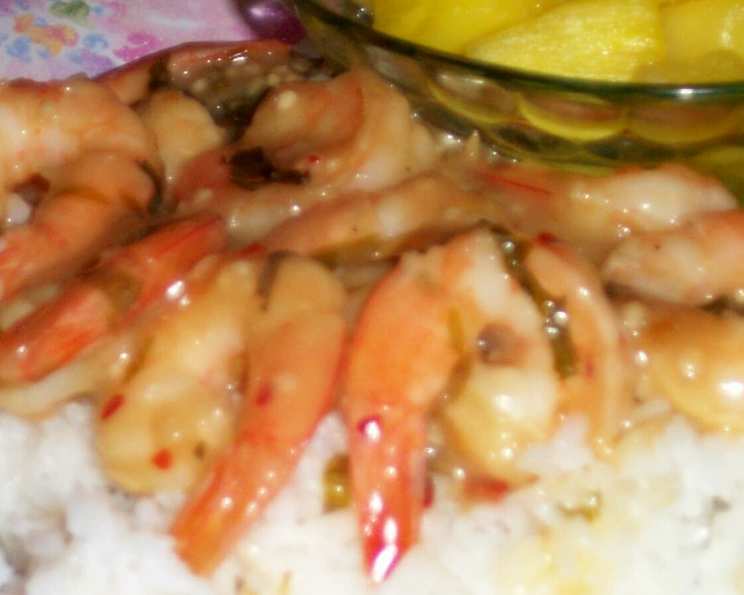
Sizzling Thai Shrimp with Fragrant Jasmine Rice
The first time I tasted Thai shrimp prepared quite like this, I was backpacking through Southeast Asia. A tiny streetside stall in Bangkok, steam rising from a furiously hot wok, and the unmistakable aroma of garlic, chilies, and fish sauce mingling in the air. The shrimp, perfectly cooked, were kissed with fire and coated in a sauce that danced between sweet, spicy, and savory. It was a culinary revelation, and a taste I’ve been chasing ever since, constantly tweaking and perfecting my own version.
Recipe Overview
- Prep Time: 10 minutes
- Cook Time: 10-15 minutes
- Total Time: 20-25 minutes
- Servings: 2
- Dietary Type: Gluten-Free (if using gluten-free fish sauce)
Ingredients
- 1 tablespoon lime juice
- 1 teaspoon Thai fish sauce
- 2 teaspoons brown sugar
- 1 teaspoon cornstarch
- 1 tablespoon cooking oil
- 4 garlic cloves, minced
- 2 medium jalapenos, minced (adjust to your spice preference!)
- 4 green onions, cut on diagonal in 1 inch lengths
- 1⁄4 teaspoon dried red pepper flakes
- 1 lb raw shrimp, peeled and deveined (31 to 40 count)
- 1⁄4 cup fresh basil, chopped
- 1⁄4 cup fresh mint, chopped
- 1⁄2 cup jasmine rice, cooked as per package instructions
Equipment Needed
- Small bowl
- Skillet or Wok
- Measuring spoons and cups
- Cutting board
- Knife
Instructions
-
Begin by preparing the sauce. In a small bowl, combine the lime juice, fish sauce, brown sugar, and cornstarch. Whisk until the cornstarch is fully dissolved and the mixture is smooth. Set aside. This ensures a quick and even thickening of the sauce later on.
-
Place a skillet or wok over medium-high heat. Allow it to heat up before adding the cooking oil. A hot wok is crucial for achieving that authentic wok hei, or “breath of the wok,” which imparts a unique smoky flavor.
-
Once the oil is shimmering, add the minced garlic and minced jalapenos. Sauté for approximately 2 minutes, stirring constantly, until the garlic is fragrant and lightly golden. Be careful not to burn the garlic, as it will become bitter.
-
Add the raw shrimp, red pepper flakes, and continue to cook until the shrimp turn white. This should take approximately 3 to 5 minutes more, depending on the size of your shrimp. Make sure the shrimp are evenly distributed in the wok so that they cook uniformly.
-
Once the shrimp are nearly cooked through, add the chopped basil and chopped mint. This is the moment when the dish truly comes alive with vibrant aromas.
-
Stir in the lime juice mixture that you prepared earlier. Continue to cook for an additional 2 minutes, or until the shrimp are pink and thoroughly cooked and the sauce has thickened slightly. The sauce should coat the shrimp beautifully.
-
Serve immediately over a bed of jasmine rice. Garnish with extra fresh basil or mint for added visual appeal and freshness.
Expert Tips & Tricks
- For an extra layer of flavor, try adding a small amount of grated ginger along with the garlic and jalapenos.
- If you prefer a sweeter sauce, adjust the amount of brown sugar to your liking.
- Don’t overcrowd the pan when cooking the shrimp. If necessary, cook them in batches to ensure they cook evenly. Overcrowding will lower the temperature of the pan and steam the shrimp instead of searing them.
- For a deeper umami flavor, consider using a high-quality fish sauce. The quality of the fish sauce can significantly impact the overall taste of the dish.
- To ensure your rice is perfectly cooked, rinse it thoroughly before cooking to remove excess starch. This will result in fluffy, separate grains.
Serving & Storage Suggestions
Serve this Thai shrimp dish immediately after cooking for the best flavor and texture. The vibrant colors and aromas are most appealing when the dish is freshly prepared.
Leftovers can be stored in an airtight container in the refrigerator for up to 2 days. To reheat, gently warm the shrimp in a skillet over medium heat, adding a splash of water or broth if needed to prevent them from drying out. You can also reheat the shrimp in the microwave, but be careful not to overcook them. Reheating the rice separately is recommended to maintain its texture. This dish is best enjoyed fresh, as the shrimp can become rubbery if frozen.
Nutritional Information
| Nutrient | Amount per Serving | % Daily Value |
|---|---|---|
| Calories | 450 kcal | 23% |
| Total Fat | 18g | 28% |
| Saturated Fat | 3g | 15% |
| Cholesterol | 250mg | 83% |
| Sodium | 700mg | 29% |
| Total Carbohydrate | 40g | 13% |
| Dietary Fiber | 2g | 8% |
| Sugars | 8g | |
| Protein | 35g | 70% |
Variations & Substitutions
- Spice Level: Adjust the amount of jalapenos and red pepper flakes to control the heat level. For a milder dish, remove the seeds from the jalapenos or omit the red pepper flakes entirely. For extra heat, add a pinch of cayenne pepper.
- Vegetables: Feel free to add other vegetables, such as bell peppers, snow peas, or broccoli florets, to the dish. Add them to the wok along with the shrimp.
- Protein: You can substitute the shrimp with chicken, tofu, or even scallops. Adjust the cooking time accordingly.
- Coconut Milk: For a creamier sauce, add a splash of coconut milk to the lime juice mixture. This will add richness and a subtle sweetness to the dish.
- Gluten-Free: Ensure your fish sauce is gluten-free for a completely gluten-free meal.
- Herbs: Experiment with different herbs, such as cilantro or Thai basil, for unique flavor profiles.
FAQs (Frequently Asked Questions)
Q: Can I use frozen shrimp for this recipe?
A: Yes, you can use frozen shrimp. Make sure to thaw them completely before cooking and pat them dry with paper towels. This will help them to brown properly in the wok.
Q: How do I know when the shrimp are cooked through?
A: Shrimp are cooked through when they turn pink and opaque and curl into a C shape. Avoid overcooking them, as they will become rubbery.
Q: Can I make this dish ahead of time?
A: While this dish is best served immediately, you can prepare the sauce ahead of time and store it in the refrigerator for up to 2 days. Cook the shrimp just before serving.
Q: What kind of rice is best for this dish?
A: Jasmine rice is a classic choice for Thai dishes, but you can also use brown rice, basmati rice, or even quinoa.
Q: How can I make this dish vegetarian?
A: Substitute the shrimp with firm tofu or tempeh. Be sure to press the tofu well to remove excess water before cooking. Omit the fish sauce or substitute with a vegetarian fish sauce alternative.
Final Thoughts
This Sizzling Thai Shrimp recipe is a delicious and easy way to bring the vibrant flavors of Thailand into your own kitchen. Don’t be afraid to adjust the ingredients and techniques to suit your personal preferences. Whether you’re a seasoned cook or a beginner, I encourage you to give this recipe a try and share your feedback. Pair it with a crisp, cold Singha beer for a truly authentic Thai dining experience. Enjoy!