
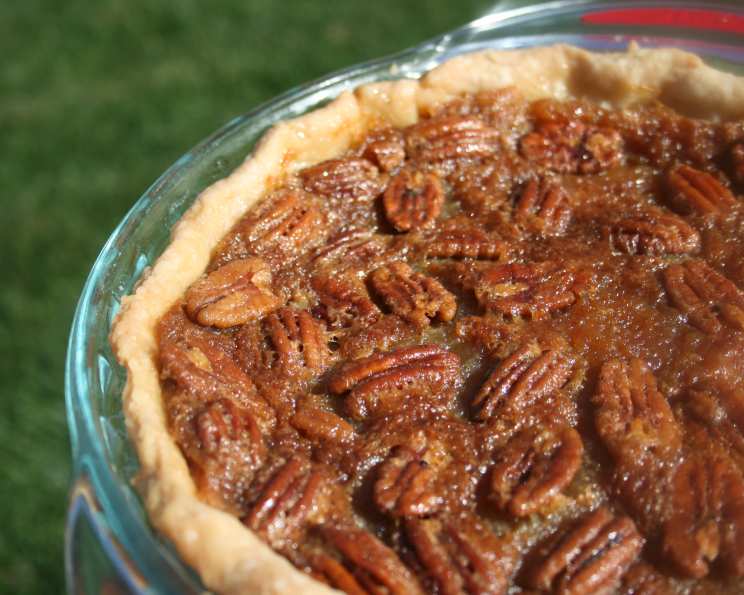
The Ultimate Flaky Pie Crust Recipe
The aroma of a freshly baked pie, the buttery scent swirling through the kitchen, always takes me back to my childhood. I remember standing on a stool next to my grandmother, her hands dusted with flour, as she expertly crimped the edges of a pie crust. She would always let me “help” by sprinkling sugar on top before it went into the oven. That first bite, the shattering flakes of crust giving way to a warm, sweet filling, was pure magic. I’ve spent years chasing that perfect pie crust, and this recipe, inspired by hers, finally captures that nostalgic, melt-in-your-mouth goodness.
Recipe Overview
- Prep Time: 30 minutes
- Cook Time: 20-30 minutes (depending on the pie filling)
- Total Time: 50-60 minutes (plus chilling time)
- Servings: 6
- Yield: 6 crusts
- Dietary Type: Vegetarian
Ingredients
- 6 cups all-purpose flour
- 2 tablespoons sugar
- 2 teaspoons salt
- 1 1/2 cups Crisco (vegetable shortening)
- 1 cup unsalted butter, very cold and cubed
- 2 egg yolks
- 2 tablespoons cider vinegar
- 2/3 – 3/4 cup ice cold water
Equipment Needed
- Large mixing bowl
- Small mixing bowl
- Measuring cups and spoons
- Pastry blender or food processor (optional)
- Plastic wrap
- Rolling pin
- Pie dish(es)
Instructions
- In a large bowl, sift together the flour, sugar, and salt. Sifting ensures a lighter, more tender crust.
- Cut in the Crisco and butter using a pastry blender or your fingertips. Alternatively, you can pulse the dry ingredients and fats in a food processor until a coarse, crumbly mixture forms. The key here is to leave some pea-sized chunks of butter visible. Larger chunks of butter will create pockets of steam during baking, resulting in an ultra-flaky crust.
- In a small bowl, whisk together the egg yolks and cider vinegar. Then, add 2/3 cup of ice cold water. The acidity of the vinegar helps to tenderize the gluten in the flour, contributing to a more delicate crust. The amount of water needed can vary depending on the humidity. If you live in a dry climate, you may need to add a little more water. If it is a humid day, you may need less.
- Pour the liquid mixture into the flour/butter mixture. Stir together gently with a fork or your hands until just combined. Add more water, one tablespoon at a time, if necessary. The mixture should be just moist enough to come together into a ball. It’s better to err on the side of dryness than to overwork the dough by adding too much water. I like to aim for a consistency where the crumbs in the bowl will stick to the dough if you pat them on. This ensures that all the ingredients are incorporated without developing too much gluten.
- Cover the dough tightly in plastic wrap and refrigerate for at least 30 minutes. This chilling period is crucial. It allows the gluten to relax, which prevents the crust from being tough. It also allows the butter to solidify again, which is essential for creating those flaky layers. As my grandmother always said, “A cold pie crust is a happy pie crust!”
- Divide the chilled dough into 6 pieces. Use one piece for your pie. Flatten the remaining pieces into approximately 1/4-inch-thick disks (or even thinner, about 1/8 inch, for easier thawing) and wrap them individually in plastic wrap. Store them in the freezer for future use. Thaw the dough in the refrigerator overnight before using.
- When ready to bake, roll out the chilled dough on a lightly floured surface to the desired thickness. Transfer the dough to your pie dish, trim the edges, and crimp decoratively.
- Follow your chosen pie filling recipe and baking instructions. For a pre-baked crust (blind baking), prick the bottom of the crust with a fork to prevent it from puffing up during baking. Line the crust with parchment paper and fill it with pie weights or dried beans. Bake at 375°F (190°C) for 15-20 minutes, or until the edges are lightly golden. Remove the parchment paper and pie weights and bake for another 5-10 minutes, or until the bottom of the crust is golden brown.
Expert Tips & Tricks
- Keep everything cold. Use ice water, cold butter, and chill the dough thoroughly. The colder the ingredients, the better the flakiness.
- Don’t overmix. Overmixing develops the gluten in the flour, resulting in a tough crust. Mix just until the dough comes together.
- Use a combination of butter and shortening. Shortening provides tenderness, while butter provides flavor. This recipe strikes the perfect balance between the two.
- Apple cider vinegar adds a subtle tang and helps to tenderize the crust. Don’t skip it!
- For a golden-brown crust, brush the top with an egg wash (1 egg yolk whisked with 1 tablespoon of water) before baking. You can also sprinkle with coarse sugar for added sparkle and crunch.
- If your crust starts to brown too quickly in the oven, tent it with foil to prevent burning.
Serving & Storage Suggestions
Serve your freshly baked pie warm or at room temperature. For optimal flavor, allow the pie to cool completely before slicing. Store leftover pie in the refrigerator for up to 3 days. To reheat, warm individual slices in a 350°F (175°C) oven for 10-15 minutes, or until heated through. You can also reheat slices in the microwave, but the crust may not be as crisp.
Unbaked pie crusts can be stored in the freezer for up to 3 months. Wrap them tightly in plastic wrap and then in a freezer bag. Thaw overnight in the refrigerator before using.
Nutritional Information
| Nutrient | Amount per Serving | % Daily Value |
|---|---|---|
| Calories | 1213 kcal | N/A |
| Total Fat | 84.5 g | 130% |
| Saturated Fat | 35.7 g | 178% |
| Cholesterol | 144.3 mg | 48% |
| Sodium | 785 mg | 32% |
| Total Carbohydrate | 99.8 g | 33% |
| Dietary Fiber | 3.4 g | 13% |
| Sugars | 4.6 g | N/A |
| Protein | 14 g | 28% |
Variations & Substitutions
- Gluten-Free Pie Crust: Use a gluten-free all-purpose flour blend and follow the recipe as directed. You may need to add a little more water to bring the dough together.
- Vegan Pie Crust: Substitute the butter with vegan butter and the egg yolks with 2 tablespoons of applesauce.
- Whole Wheat Pie Crust: Substitute up to half of the all-purpose flour with whole wheat flour for a nuttier flavor.
- Lemon Zest: Add 1 teaspoon of lemon zest to the dry ingredients for a bright, citrusy flavor.
- Spices: Add 1/2 teaspoon of cinnamon, nutmeg, or ginger to the dry ingredients for a warm, spiced crust.
FAQs (Frequently Asked Questions)
Q: Can I use all butter in this recipe?
A: Yes, you can, but the crust may not be as tender. The shortening helps to create a more tender and flaky crust.
Q: Can I make this pie crust in advance?
A: Absolutely! The dough can be made up to 2 days in advance and stored in the refrigerator. You can also freeze the dough for up to 3 months.
Q: My pie crust is shrinking during baking. What am I doing wrong?
A: This is usually caused by overworking the dough or not chilling it properly. Make sure to mix the dough gently and chill it for at least 30 minutes before rolling it out.
Q: My pie crust is tough. What can I do to prevent this?
A: Avoid overmixing the dough and adding too much water. Also, make sure to chill the dough properly.
Q: Can I use this pie crust for savory pies?
A: Yes! Simply omit the sugar from the recipe for a savory pie crust.
Final Thoughts
There’s something truly special about a homemade pie, and it all starts with the crust. This recipe, inspired by my grandmother’s wisdom, consistently delivers a tender, flaky, and flavorful crust that will elevate any pie. Don’t be intimidated by the process; with a little practice, you’ll be creating pie masterpieces in no time. So, gather your ingredients, preheat your oven, and get ready to bake a pie that will impress your family and friends. I encourage you to experiment with different fillings and flavor combinations to create your own signature pie. And please, share your creations and feedback with me – I’d love to hear how your baking journey goes!